Measure better, learn better, act better: FAPBM strengthens its data monitoring
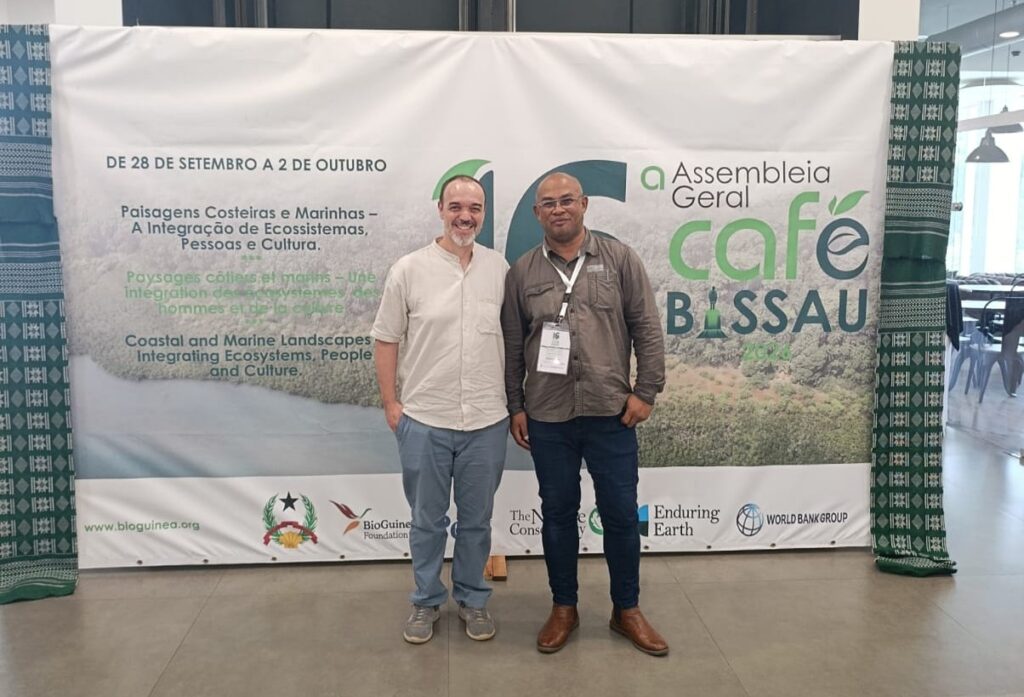
Xavier Excuté, FOS Senior Programme Officer, and Ranto Randriantsoa, FAPBM Programmes and Impacts Director, in Bissau © FOS

At the 16th General Assembly of the Consortium of African Funds for the Environment (CAFÉ) in Bissau, FAPBM, as a member of the consortium, shared its experience of monitoring and decision support for conservation. Ranto Randriantsoa, FAPBM’s Programmes and Impacts Director, presented at the assembly the approach the Foundation has undertaken to better track its  funding, understand its results and guide its strategic choices. Growing conservation challenges, more demanding choices With capital of USD 157 million in 2026, FAPBM is the largest conservation trust fund in Africa. It supports 75 of Madagascar’s 146 protected areas, which are home to species and habitats found nowhere else on Earth and sustain the communities living alongside them. As its activities develop, FAPBM needs an increasingly clear view of the results associated with its funding and of how they contribute to conservation objectives. The evolution of its portfolio, the diversity of protected area contexts …

Building Conservation Partnerships for Madagascar’s Critical Landscapes: FAPBM mobilises its partners to jointly advance Madagascar’s conservation priorities with international stakeholders

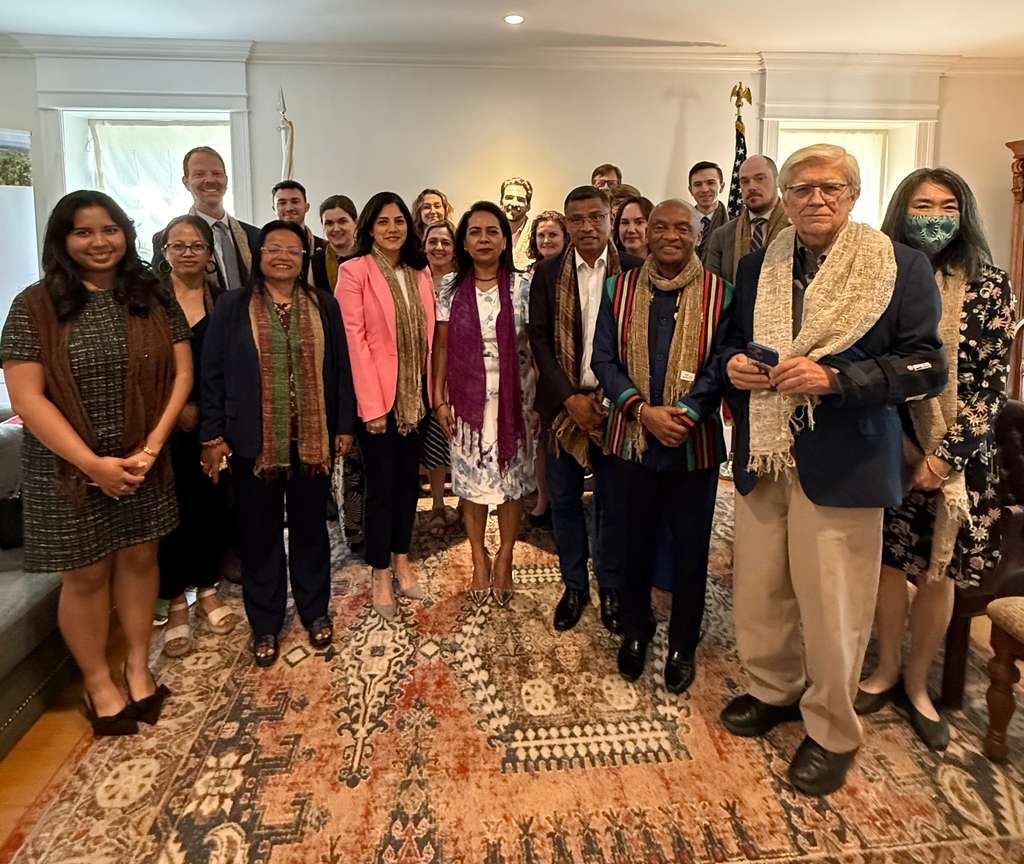
« Afternoon Event » à la Résidence de l’Ambassadeur de Madagascar aux USA, Washington DC

From 16 to 27 May 2026, a Malagasy delegation led by Madagascar Protected Areas and Biodiversity Fund (FAPBM) undertook a strategic campaign in the United States, holding meetings in New York and then in Washington D.C., as part of the ‘Building Conservation Partnerships for Madagascar’s Critical Landscapes’ campaign. Organised with the support of the Embassy of Madagascar in the United States, in partnership with the Ministry of the Environment and Sustainable Development (MEDD), Madagascar National Parks (MNP) and GERP Madagascar, this initiative marks a new milestone in international efforts to protect Madagascar’s critical landscapes. This campaign forms part of a major shift in conservation approaches: moving away from fragmented interventions centred on individual projects or isolated protected areas, towards conservation that is conceived on the scale of large, interconnected landscapes and ecosystems. It is based on the belief that pooling the expertise, resources and capabilities of the various stakeholders makes …

« Natural capital is not an expense » : FAPBM in Morondava for World Environment Day

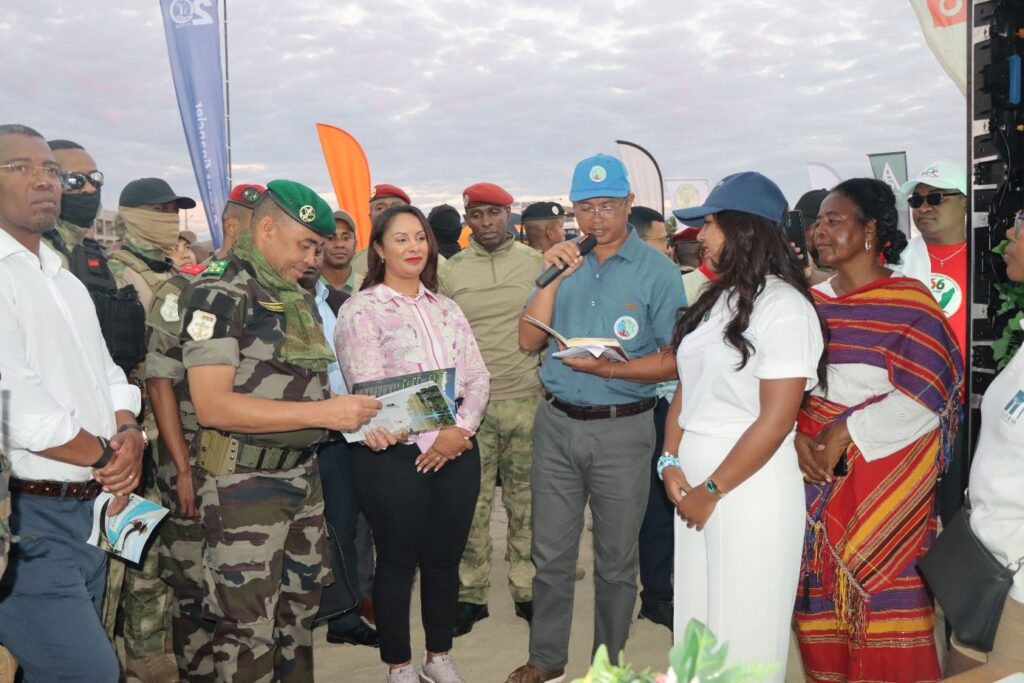
Passage du Président de la Refondation de la République de Madagascar au stand FAPBM lors de la cérémonie d’ouverture de la célébration JIB-JME-JMDS à Morondava, 2026

From 28 to 30 June 2026, Morondava, the capital of the Menabe region, hosted the joint celebration of the World Biodiversity Day, the World Environment Day and the Desertification and Drought Day. Held under the national theme ‘Restoring land, preserving biodiversity and taking action on climate change: local solutions for sustainable resilience’, the event brought together the Ministry of the Environment and Sustainable Development (MEDD), local authorities, technical and financial partners, civil society and local communities. Madagascar Protected Areas and Biodiversity Fund (FAPBM) took part alongside the Ministry, acting as the financial guarantor for conservation in Madagascar. FAPBM stand at the JIB-JME-JMDS celebrations in Morondava, 2026, © FAPBM A region facing vital challenges The choice of Morondava is no coincidence. As the capital of the Menabe region, the town is both a showcase and a guardian of Madagascar’s biodiversity: unique dry forests, the legendary Avenue of the Baobabs, but also …

Knowing better to protect better: the role of journalism in shining a light on the impacts of conservation.

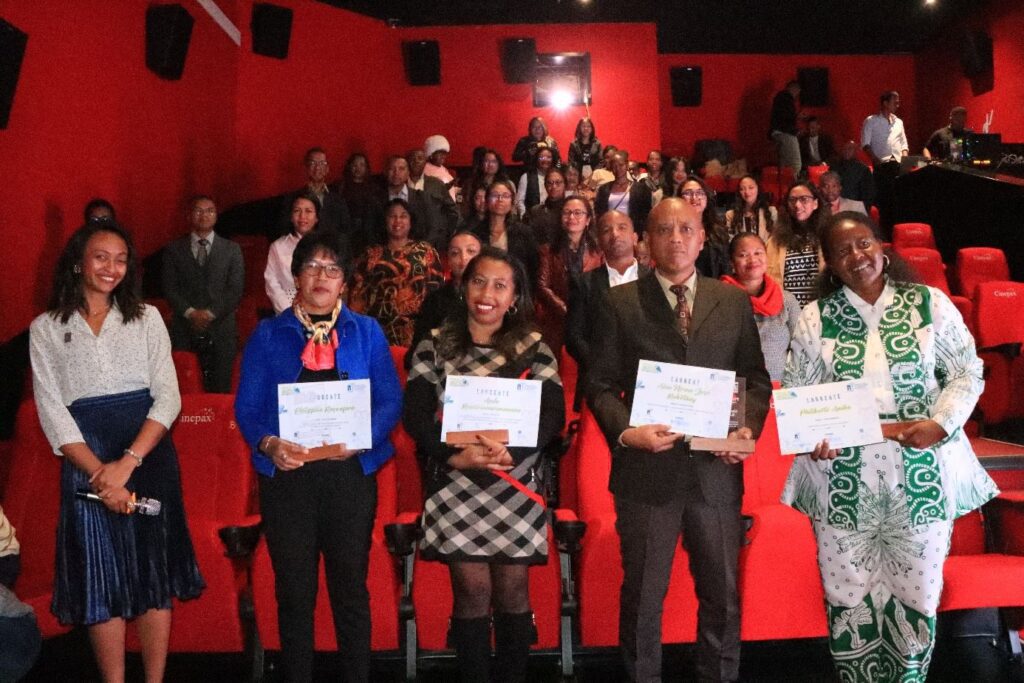
Cérémonie de remise de prix du concours de bourse de reportage « Médias#PourLesAiresProtégées », 3e édition, 2026

In Madagascar, safeguarding protected areas is not only about protecting species and ecosystems. It is also about preserving water sources, supporting economic activities, strengthening the resilience of communities and creating opportunities for future generations. But for that to happen, these realities have to be known, understood and shared. That is precisely what is at stake in the “Medias #ForProtectedAreas” reporting grant, whose third edition has just come to a close. On 22 July 2026, at CINEPAX Ambodivona, four Malagasy journalists were rewarded for reports shedding light on the links between the conservation of protected areas, local development and improved living conditions for communities. The ceremony marked the close of the third edition of the “Medias #ForProtectedAreas” reporting grant, organised by the Madagascar Protected Areas and Biodiversity Fund (FAPBM) in partnership with Malagasy Brand Communication (MBC) and REMAPSEN Madagascar. It was honoured by the presence of representatives of the Ministry of …

68,000 trees planted: in Maromizaha, the partnership between the private sector and conservation organisations is delivering tangible results

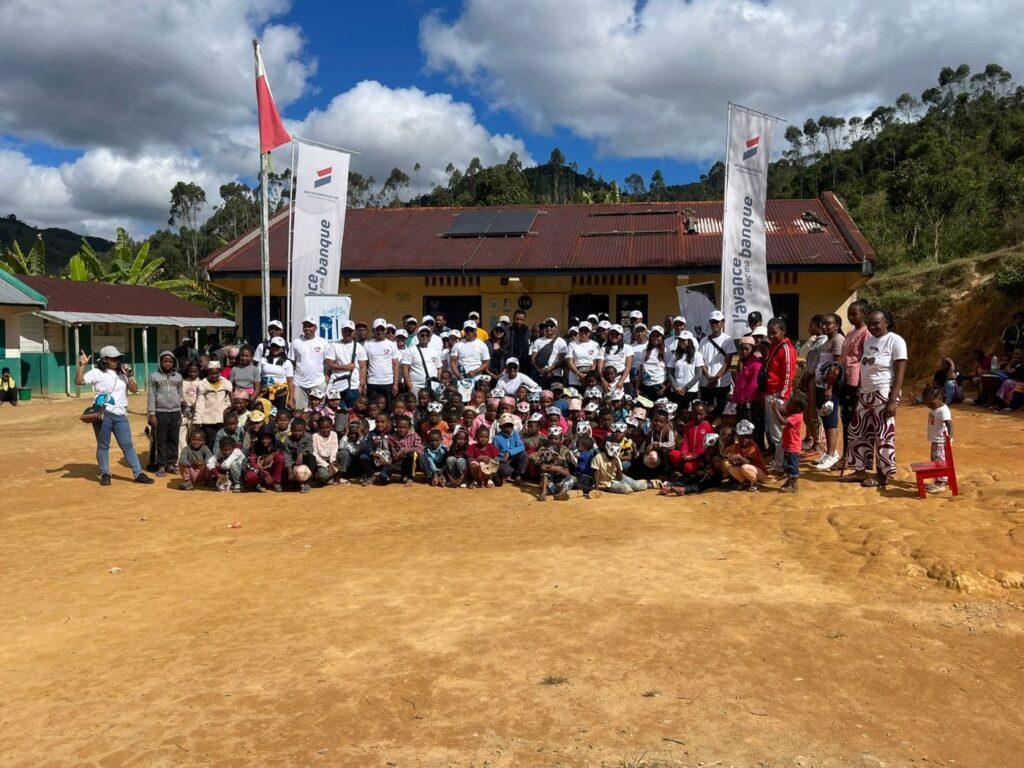
Descente de la délégation FAPBM et BNI à Maromizaha, 2026

How can a financial commitment be turned into tangible results for biodiversity? In Maromizaha, the partnership between BNI Madagascar, Madagascar Protected Areas and Biodiversity Fund (FAPBM) and the Madagascar Primate Study and Research Group (GERP) is delivering results that can be seen directly on the ground: the restoration of degraded forest areas, the maintenance of plantations, the production of seedlings and the involvement of local communities. On 3 and 4 July 2026, a delegation from BNI Madagascar visited the Maromizaha Protected Area in the Alaotra-Mangoro region to assess the results of the initiatives supported since 2023 and to discuss matters with the stakeholders implementing them. This field mission provided an opportunity to look back on several years of collaboration and to demonstrate in practical terms what a partnership between the private sector, a conservation financing mechanism, a protected area manager and local communities can achieve. FAPBM was represented by a …

Ambohitantely : where the forest is beginning to take root again

FAPBM

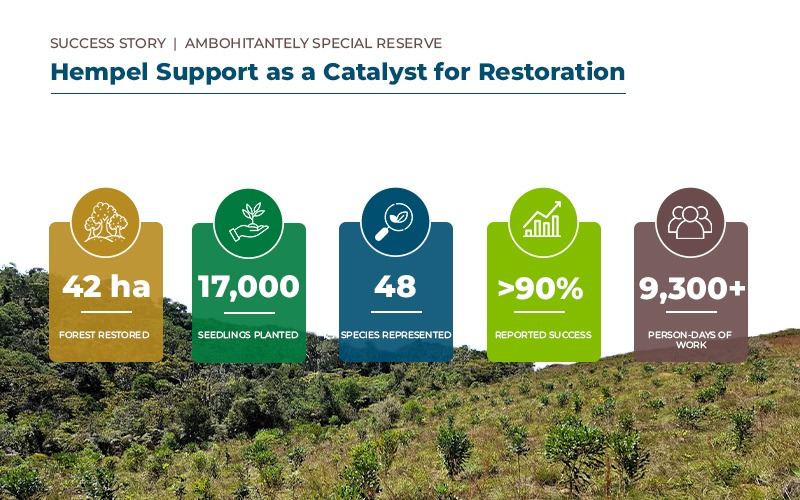
In the Ambohitantely Special Reserve, managed by Madagascar National Parks (MNP), certain areas are gradually changing in appearance. Where vegetation had struggled to re-establish itself, young trees are now growing. Where invasive species had been hindering regeneration, the forest is gradually regaining ground. Since 2021, Vahatra Association has been supporting this ecological restoration initiative, with the support of various partners. Between 2025 and 2026, funding of 55,000 USD from the Hempel Foundation, channelled through FAPBM funding mechanism, has enabled this initiative to continue and be strengthened. A total of 42 hectares were restored, using 17,000 seedlings representing 48 species, with a success rate of over 90%. The funding has, above all, helped to consolidate the entire chain of interventions required to restore an ecosystem within a protected area, in accordance with IUCN principles and guidelines. But at Ambohitantely, restoration is not measured solely by what has been planted. Ambohitantely Special …

Madagascar protects an additional 1.82 million hectares : a decisive step for biodiversity

Corridor Forestier Marojejy - Anjanaharibe Sud - Tsaratanana (COMATSA)

Madagascar has reached a major milestone in safeguarding its natural heritage. With the establishment of 21 new protected areas (see list in the appendix), nearly 1.82 million hectares of exceptional landscapes in the Diana, Itasy, Analanjirofo and Atsimo-Andrefana regions are now under temporary protection. Beyond an administrative decision, this represents a strong commitment to a future where nature, communities and development move forwards hand in hand. An expanding network of protected areas With this expansion of the national protected area network, Madagascar now has 146 protected areas covering approximately 8.88 million hectares, confirming the central role of natural capital in the country’s environmental priorities. This progress brings the country closer to the global 30×30 target, established under the Kunning-Montreal Global Biodiversity Framework, which aims to effectively protect 30% of terrestrial, coastal, marine and inland water areas by 2030. But this ambition is about more than number of hectares under protection. …

Beyond protected areas : the Landscapes Approach – a new way of conserving biodiversity in Madagascar

Nosy Hara,

What if protecting a protected area were no longer enough ? In Madagascar, biodiversity, the climate, water and people’s livelihoods are deeply intertwined. Yet, in the face of the effects of climate change, growing pressure on natural resources and the fragmentation of conservation efforts, sustainably preserving this exceptional heritage now requires a change in perspective. It is against this backdrop that a new vision of conservation is emerging : the Landscape approach. More than just a new method, this approach represents a genuine paradigm shift. It calls for us to look beyond the boundaries of protected areas and consider entire territories where ecosystems, communities, economic activities and conservation stakeholders are closely interconnected. Because protecting nature also means protecting everything it makes possible. Scaling up to meet today’s challenges For several decades, conservation efforts have focused primarily on individual protected areas. This approach has helped to preserve natural areas of inestimable value. But …

Strengthening teams to maximise impact : FAPBM brings its staff together around a shared strategic vision

Team Building 2026 de la FAPBM, Ampefy

Biodiversity conservation is, above all, a human endeavour. Behind every protected area supported, every partnership forged and every community assisted, there are men and women who share a common ambition: to preserve Madagascar’s sources of life. Recognising that its people are its greatest strength, Madagascar Protected Areas and Biodiversity Fund (FAPBM) brought together all its staff for an organisational meeting. Far more than just a team-building exercise, this gathering was a key opportunity for strategic alignment, collective reflection and strengthening cohesion, in preparation for the challenges ahead. In a context where the challenges relating to conservation, climate change and sustainable development are becoming increasingly complex, FAPBM has chosen to invest in the key to its success: its human capital. An organisation committed to continuous improvement This organisational meeting began with a collective review of the year 2025. Each department presented its key achievements, the results obtained and the lessons learnt …

WWF launches a new facility to unlock long-term finance for coastal communities

At the 11th Our Ocean Conference, June 16–18, 2026 in Mombasa, Kenya, WWF Madagascar launched the Marine Biodiversity and Community Resilience Facility (MCRF). This USD 11 million blended finance structure marks a transformative shift across the Southwest Indian Ocean (SWIO), connecting international finance directly with local community stewardship and moving away from traditional grant dependency. Building on a deep history of collaboration, WWF Madagascar and FAPBM1 have joined forces on the design and implementation of the facility—a partnership that will remain foundational as MCRF moves into operation. In this context, FAPBM, as the national Conservation Trust Fund (CTF), plays a dual role in co-designing and supporting the implementation of long-term financing mechanisms for marine conservation in Madagascar, ensuring alignment with the national conservation finance architecture. Empowering Coastal Communities as Chief Stewards of Nature Coastal communities are the primary guardians of marine ecosystems, proving locally led governance that delivers lasting conservation. …

Sustainable finance and the 30×30 plan: Towards collective action for biodiversity in Madagascar

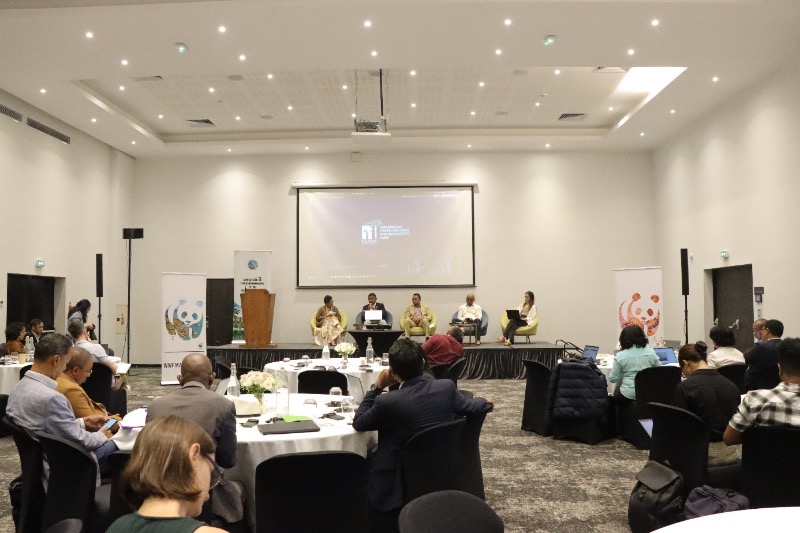
On 28 and 29 April 2026, at the Radisson Blu Hotel Antananarivo, key stakeholders involved in biodiversity conservation came together at the initiative of WWF Madagascar with a shared objective: to lay the foundations for sustainable finance capable of supporting Madagascar’s ambitions under the 30×30 Plan. This strategic workshop, organised in a hybrid format, brought together public institutions, technical and financial partners, the private sector, conservation organisations such as FAPBM, and experts to address a central question: how can we mobilise long-term, coordinated and large-scale financing to sustainably preserve the country’s natural capital? A key objective of the workshop was to identify the most viable sustainable finance mechanisms for Madagascar, harmonise existing approaches and strengthen synergies between the various initiatives already underway in the country. The 30×30 plan: protecting biodiversity on a large scale The discussions helped to place the talks within the context of Madagascar’s international commitments, notably the …

Strategic meeting between MEDD and FAPBM: strengthening the foundations of sustainable environmental governance in Madagascar

In a context where environmental challenges demand increasingly coordinated and effective responses, the Madagascar Protected Areas and Biodiversity Fund (FAPBM) and the Ministry of Environment and Sustainable Development (MEDD) held a high-level strategic meeting, marking an important milestone in the evolution of the country’s public environmental policies. Toward more coordinated environmental governance This meeting between Nolave Luck Aristide Andriatsihala, Minister of Environment and Sustainable Development, and Dr. Rija Ranaivoarison, Executive Director of FAPBM, reflects a shared commitment to strengthening the coherence, effectiveness, and impact of actions taken in favor of Malagasy biodiversity. Beyond an institutional exchange, it signals a strategic convergence toward more integrated environmental governance, centered on concrete and lasting results. Capacity building: a key lever for conservation Among the priorities discussed, capacity building for sector stakeholders emerged as a central lever. The Competency Development program, funded by the Hempel Foundation and implemented with FAPBM support, is fully aligned …

CEO Summit Indian Ocean 2026 : FAPBM calls for an economy in which natural capital becomes a driver of growth

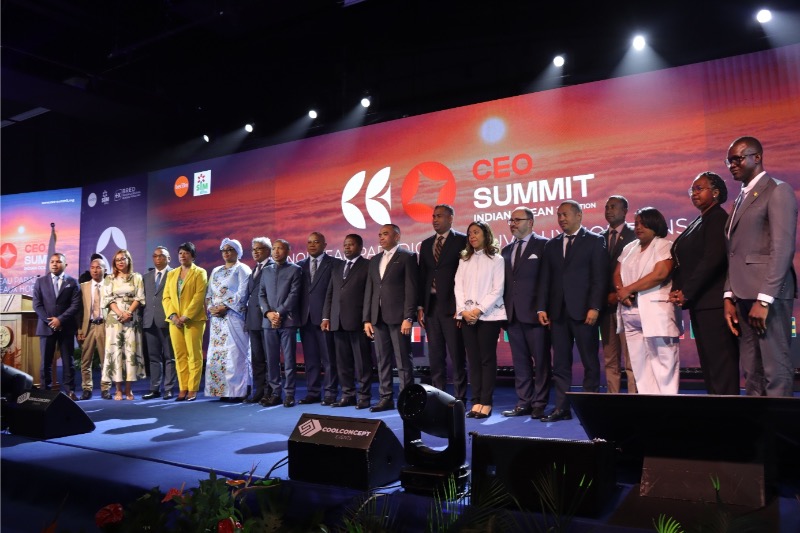
Antananarivo, 9–10 April 2026 – The second edition of the CEO Summit Indian Ocean 2026 brought together economic decision-makers, investors, public institutions and regional partners around a shared ambition: to foster a more innovative, resilient and sustainable development model for Madagascar and the Indian Ocean region. Driven by a vision to promote the region as a hub of excellence, innovation and economic leadership, the event highlighted the importance of cross-sectoral cooperation and the sharing of experiences in transforming current challenges into concrete and sustainable opportunities. Rethinking natural capital: an economic imperative At a time when environmental issues are gradually reshaping global economic models, the CEO Summit provided a forum for discussion on how businesses, financial institutions and public sector bodies can sustainably integrate natural capital considerations into their strategies. In Madagascar, this issue is of particular importance. Forests, water resources, biodiversity, fertile soils and marine ecosystems directly support key sectors …

Biodiversity and finance: an innovative three-way partnership to accelerate sustainable solutions in Madagascar

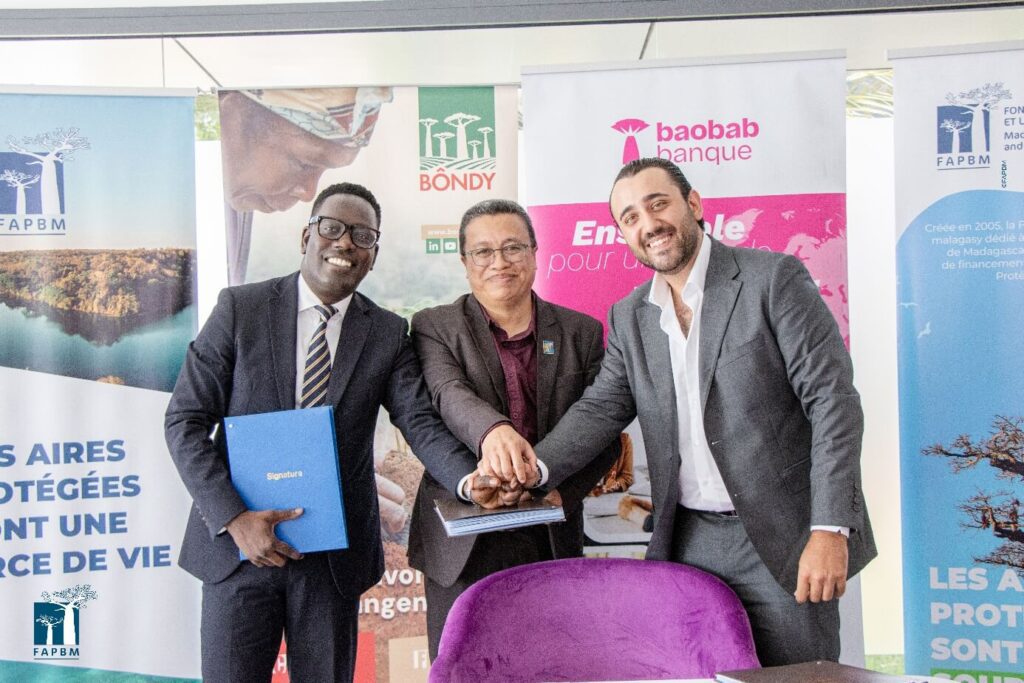
Antananarivo, 18 March 2026 – A new collaborative initiative is taking shape to reconcile biodiversity conservation and economic development in Madagascar. Madagascar Protected Areas and Biodiversity Fund (FAPBM), Bôndy International S.A.R.L and Baobab Banque Madagascar have officially sealed a partnership by signing a Memorandum of Understanding (MoU). Through this framework for cooperation, the three partners aim to support local economic initiatives with a strong environmental and social impact, whilst reducing pressure on natural ecosystems. The objective is clear: to strengthen the resilience of communities living near protected areas, whilst making biodiversity a driver of development. A shared vision: making biodiversity a driver of development This partnership is based on an integrated approach: that of inclusive sustainable development for the country, where the protection of biodiversity becomes a catalyst for economic opportunities for local communities. It is structured around several priority areas: Promoting sustainable energy solutions, particularly through the distribution of …

Natural Capital Forum 2026: FAPBM Executive Director calls for a rethink of economic choices to ensure the country’s resilience

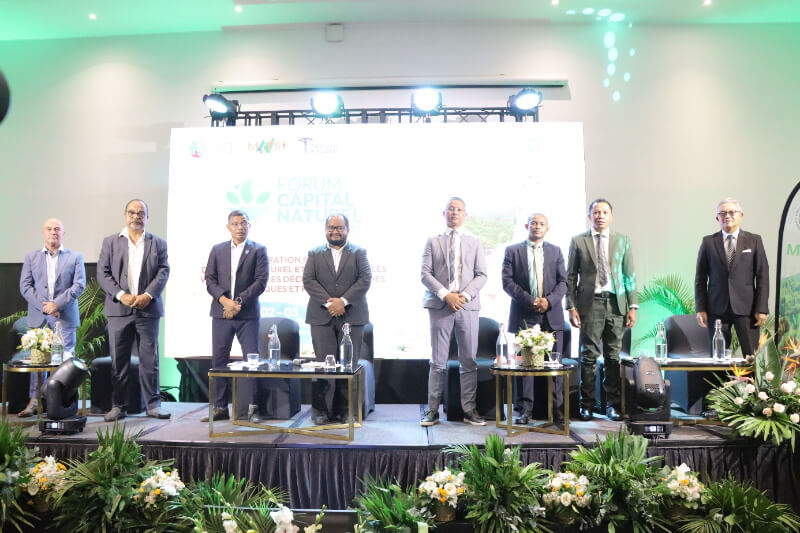
On 2 and 3 April 2026, the 3rd edition of the Natural Capital Forum was held in Antananarivo, bringing together representatives from the government, the private sector, financial institutions, technical and financial partners, the academic world and civil society organisations. Organised under the auspices of the Ministry of the Environment and Sustainable Development (MEDD) and led by the Natural Capital Madagascar Network, the Forum reaffirms a shared ambition: to make natural capital a strategic pillar of Madagascar’s sustainable development. Natural capital: a prerequisite for national sovereignty and stability The discussions highlighted a fundamental reality: in a country such as Madagascar, the preservation of ecosystems is not merely an environmental choice, but a prerequisite for economic security, social stability and national sovereignty. For too long, economic development and natural capital have been seen as mutually exclusive. Yet, in the case of Madagascar, this view constitutes a strategic error. Without secure water …

Germany in service of Malagasy biodiversity: a decisive roundtable for the future of protected areas

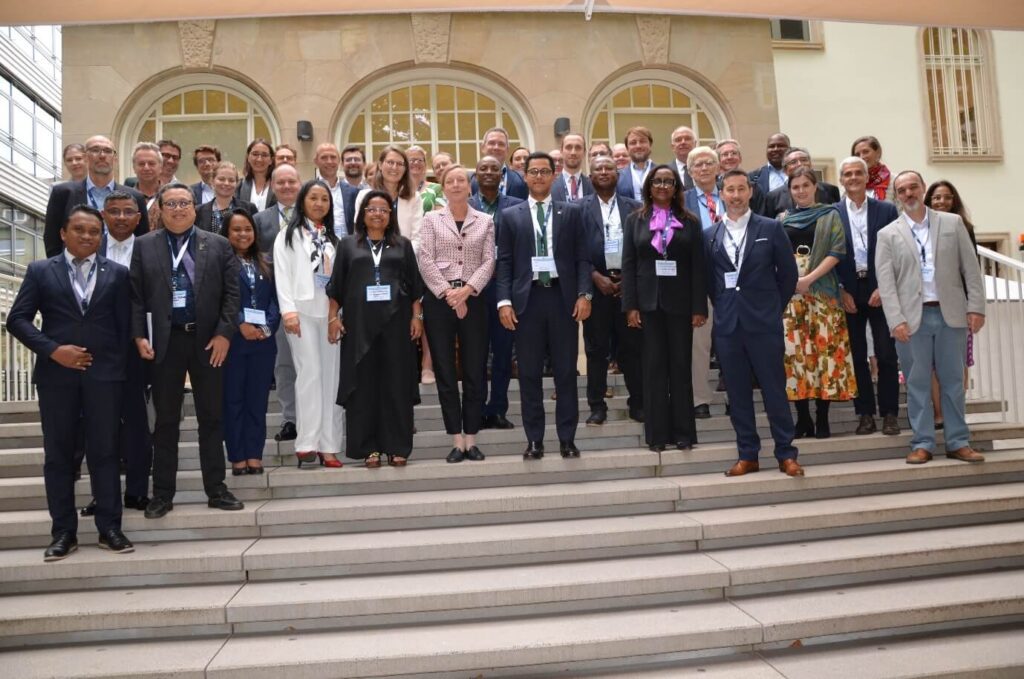
On September 16, 2025, Frankfurt hosted the donor roundtable on biodiversity financing for Madagascar. Co-organized by Madagascar Protected Areas and Biodiversity Fund (FAPBM) and KfW Development Bank, with support from the German government, this meeting brought together major biodiversity financing stakeholders around a strategic question: how can we secure the future of Madagascar’s protected areas in the face of growing threats and needs? At a time when the biodiversity crisis is intensifying globally, Madagascar stands on the front line. The island is home to an exceptional natural wealth, with thousands of species found nowhere else on Earth. In this context, mobilizing sustainable and innovative funding is no longer optional — it is an absolute necessity. Madagascar: a unique natural heritage to protect To understand the importance of this roundtable, one must grasp what makes Madagascar truly exceptional. Separated from the African continent 165 million years ago, the island has developed …

Madagascar at the heart of primate conservation: a look back at the 30th IPS Congress 2025

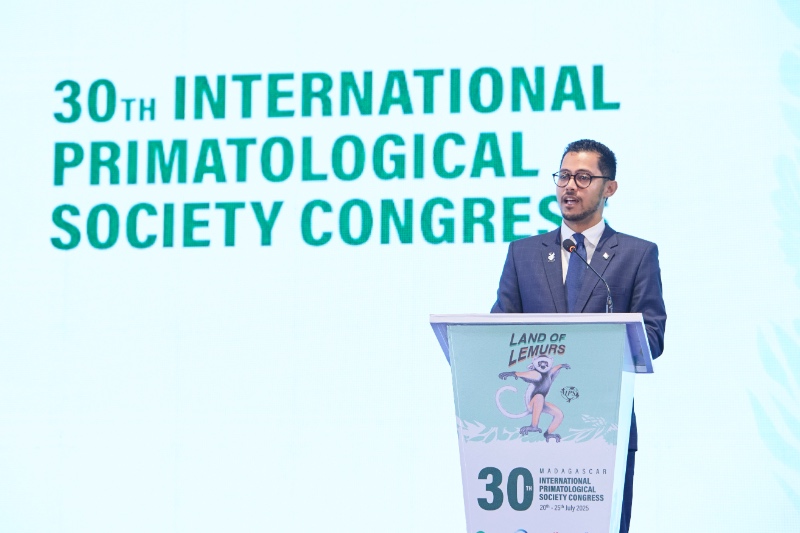
From July 20 to 25, 2025, Madagascar hosted the International Primatological Society (IPS) World Congress for the second time in its history. For five days, the capital Antananarivo became the global epicenter of primate research and conservation, bringing together more than 800 researchers, experts, NGOs, international institutions, and local stakeholders. For FAPBM, a committed partner in the protection of protected areas and endemic Malagasy species, this event marked a strategic turning point. It highlighted Madagascar’s unique role in primate preservation and the need to strengthen collective efforts for biodiversity conservation. A landmark event for science and conservation The choice of Madagascar as host country was no coincidence. The island is considered a true biodiversity sanctuary, home to more than 110 lemur species, 90% of which are endemic. This exceptional richness, combined with the growing threats to their habitats, makes Madagascar both a symbolic and strategic location for discussing global primatology …

FAPBM: 20 years of commitment to Madagascar’s biodiversity

La soirée de célébration des 20 ans de la FAPBM

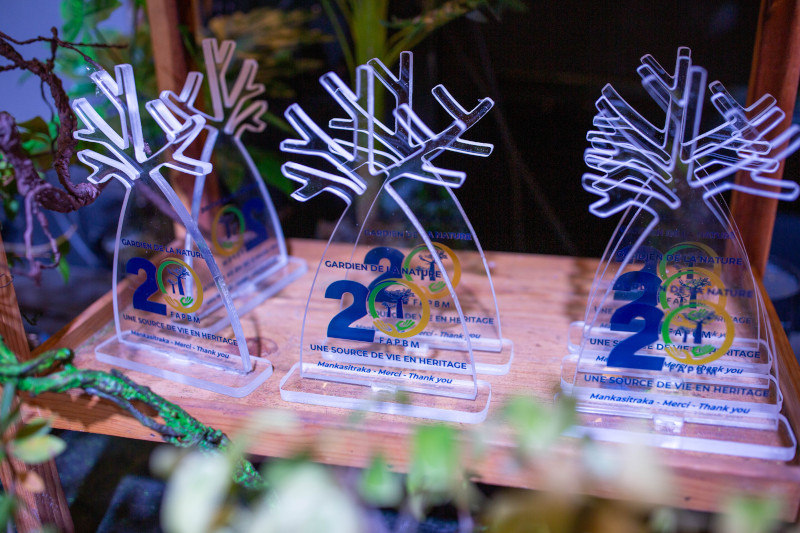
In 2025, Madagascar Protected Areas and Biodiversity Fund (FAPBM) celebrates twenty years of funding and action in service of Malagasy nature. Since its creation in 2005, FAPBM has become Africa’s leading private trust fund for biodiversity conservation, sustainably financing the management of protected areas in Madagascar and contributing to the socioeconomic development of local communities. This anniversary marks a turning point. Twenty years on, FAPBM relies on a solid capital base of USD 157 million, funds 75 protected areas across the country, and mobilizes institutional partners, local NGOs, and communities every day to safeguard this unique natural heritage. Above all, this celebration is an opportunity to look ahead and reaffirm a core ambition: protecting our protected areas — a living legacy for future generations. “Our mission is clear: to protect today, so that we may inspire wonder tomorrow.” — Dr. Rija RANAIVOARISON, Executive Director of FAPBM A vital mission for …

Media #ForProtectedAreas : Launch of the second edition

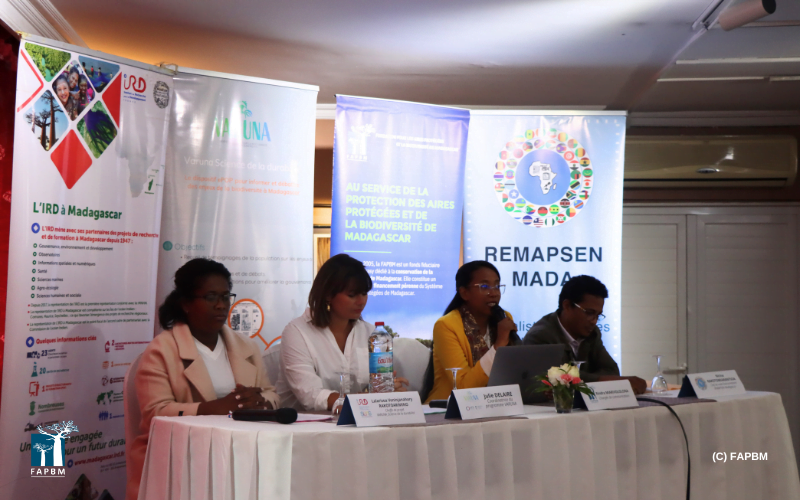
Antananarivo, 25 July 2024 – Madagascar Protected Areas and Biodiversity Fund (FAPBM), in partnership with the Varuna program financed by the French Development Agency and coordinated by Expertise France, the Institute of Research for Development (IRD) through the Varuna – Sciences of Sustainability project and REMAPSEN Madagascar (African Media Network for the Promotion of Health and the Environment – Madagascar), officially launched the second edition of the reporting competition called ” Media #ForProtectedAreas ” on 25th, July at a press conference held at the Hotel Colbert Antaninarenina. This FAPBM initiative aims to encourage and support journalists with a passion for biodiversity to produce original reports on local communities and experts involved in biodiversity conservation, as well as to highlight remote protected areas. Like the previous edition, this call for reporting projects highlights the crucial role of the media and journalists in raising public awareness and advocacy for biodiversity conservation. Celebrating …

FAPBM strengthens donor confidence in Madagascar’s biodiversity conservation

On 20 June 2024, FAPBM held its 22nd Annual Meeting of Contributors at its capital in Fort-Dauphin. This privileged meeting provided an opportunity to consolidate the foundations of its donors’ confidence and to review the past year to discuss prospects with its contributors. The event was also marked by a visit to the Andohahela National Park, a World Heritage Site, allowing participants to immerse themselves in the ecological wealth that FAPBM is working to protect. Significant impact on biodiversity conservation With the continued support of its donors, notably the German bank KfW, AFD – Agence Française de Développement, the Malagasy government through the Ministry of Finance, the World Bank, Conservation International and WWF, FAPBM has reached a crucial milestone in the growth of its activities. From 14.4 billion ariary at the end of 2022, FAPBM’s protected areas (PA) funding had grown to around 22.6 billion MGA by the end of …

Proud to be a member of :