
In a context where environmental challenges demand increasingly coordinated and effective responses, the Madagascar Protected Areas and Biodiversity Fund (FAPBM) and the Ministry of Environment and Sustainable Development (MEDD) held a high-level strategic meeting, marking an important milestone in the evolution of the country’s public environmental policies.
Toward more coordinated environmental governance
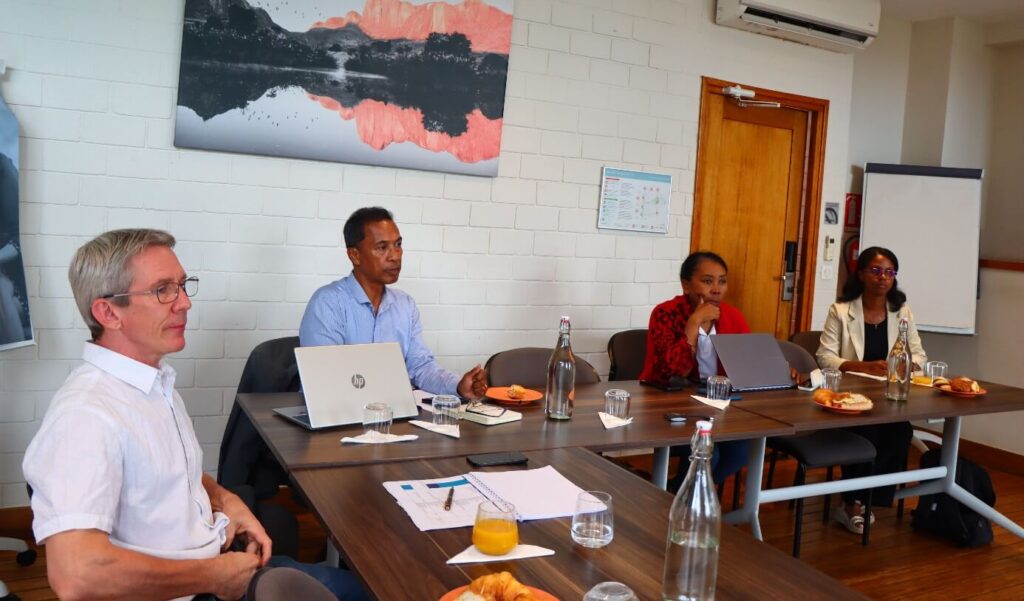
This meeting between Nolave Luck Aristide Andriatsihala, Minister of Environment and Sustainable Development, and Dr. Rija Ranaivoarison, Executive Director of FAPBM, reflects a shared commitment to strengthening the coherence, effectiveness, and impact of actions taken in favor of Malagasy biodiversity. Beyond an institutional exchange, it signals a strategic convergence toward more integrated environmental governance, centered on concrete and lasting results.
Capacity building: a key lever for conservation
Among the priorities discussed, capacity building for sector stakeholders emerged as a central lever. The Competency Development program, funded by the Hempel Foundation and implemented with FAPBM support, is fully aligned with this approach. By targeting protected area managers and community leaders, it aims to sustainably strengthen national competencies and improve the overall performance of the conservation system. Developed in collaboration with MEDD and the Ministry of Technical Education and Vocational Training (METFP), this approach enhances the impact of investments by ensuring better ownership of tools and practices on the ground.
Operational responses to bushfires
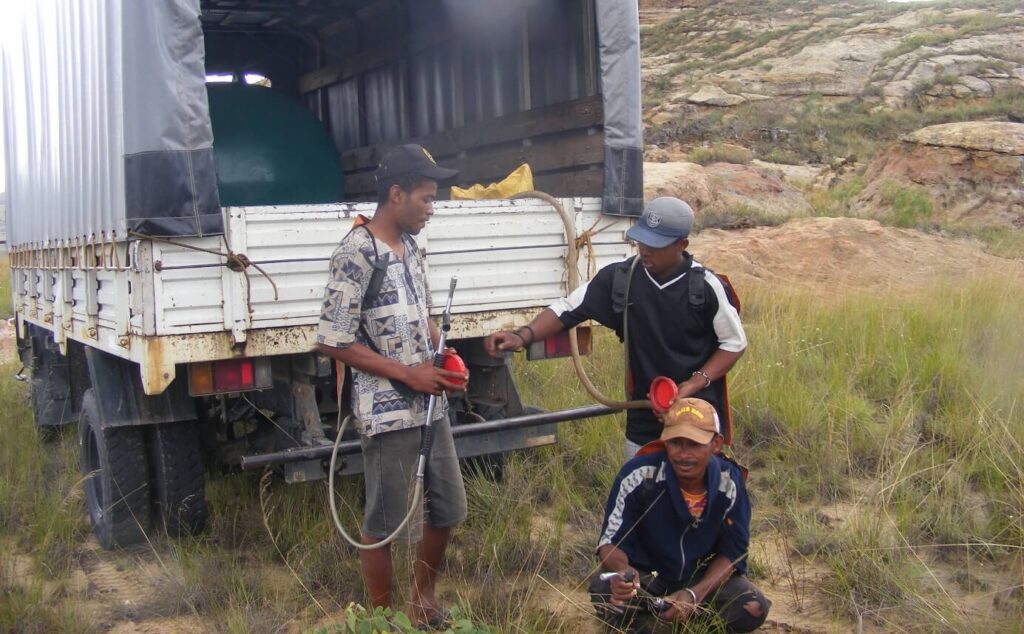
The meeting also addressed operational responses to the growing pressures on ecosystems, particularly regarding bushfire prevention. In this context, collaboration with the Ministry of Defense is being considered to deploy aerial resources, including helicopters equipped with Bambi bucket systems. This direction marks a step toward faster, better-targeted intervention capabilities suited to hard-to-reach areas.
Strengthening the integrity and effectiveness of environmental action
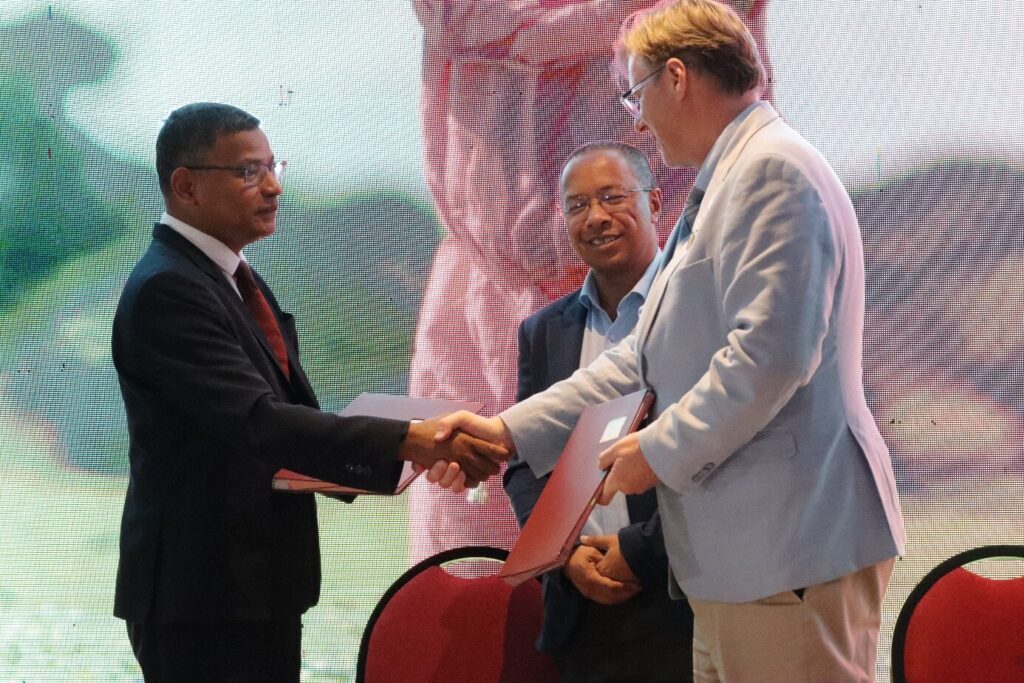
Beyond operational issues, discussions highlighted the importance of strengthening the integrity and effectiveness of the environmental management system. The partnership between FAPBM and Conservation Allies supports this dynamic, in coordination with MEDD. By engaging institutions such as BIANCO and SAMIFIN, this collaboration aims to build agent capacity and strengthen mechanisms for combating corruption and illicit financial flows. The goal is to ensure more transparent, secure management oriented toward measurable results on the ground.
Natural capital at the heart of development policies
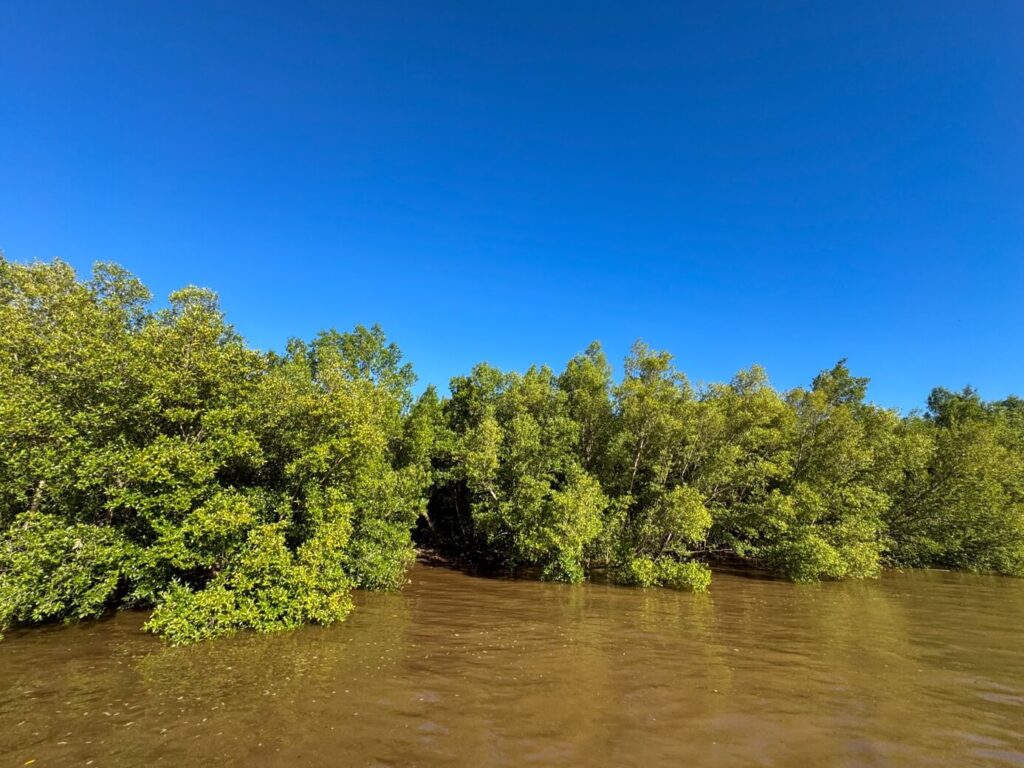
The integration of natural capital into public policies was reaffirmed as a major strategic priority. In a country where biodiversity is a globally unique asset — with an endemicity rate of 80% — this approach aims to reposition natural resources as a driver of economic development and community resilience. Factoring ecosystem services into economic decisions helps anchor conservation within a sustainable development vision, aligned with both national and international priorities.
National mobilization around environmental issues
Finally, preparations for World Environment Day underscored the importance of collective mobilization — bringing together public institutions, partners, and citizens — around environmental preservation.
A strengthened dynamic for lasting impact
This meeting marks a significant step in consolidating a more structured, impact-oriented environmental governance. It reflects a shared commitment to strengthening institutional capacity, improving cross-sector coordination, and valuing natural capital as a pillar of sustainable development in Madagascar. For FAPBM and its partners, it also sends a strong signal in favor of lasting engagement, grounded in transparency, effectiveness, and concrete results for ecosystems and communities.