Media #ForProtectedAreas : Proclamation of the first edition winners

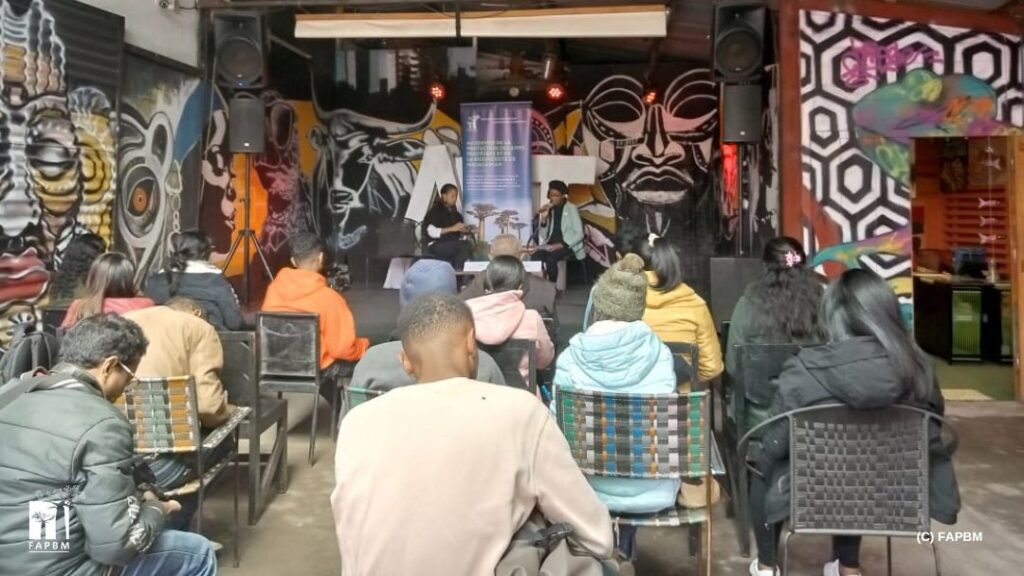
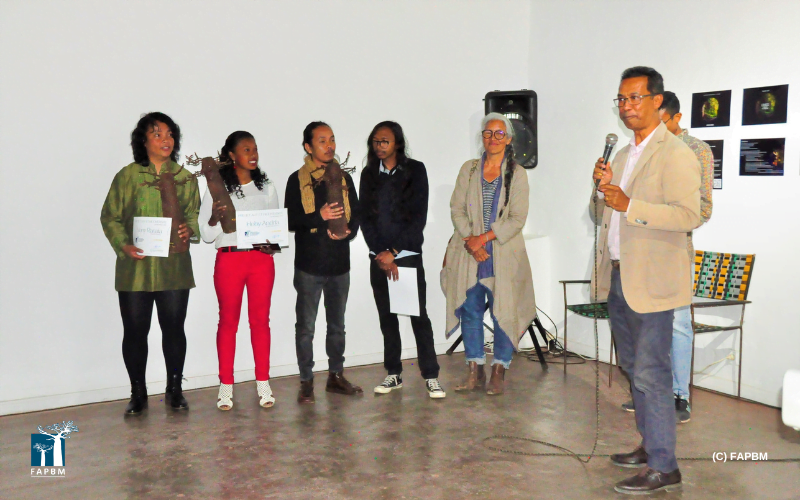
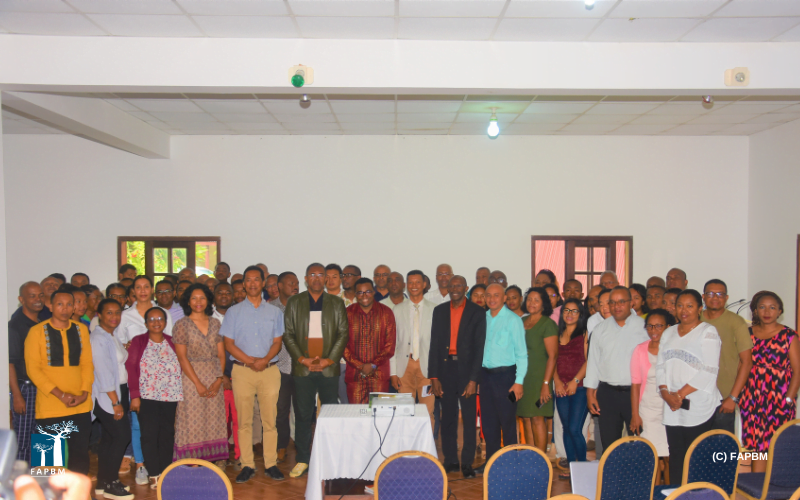
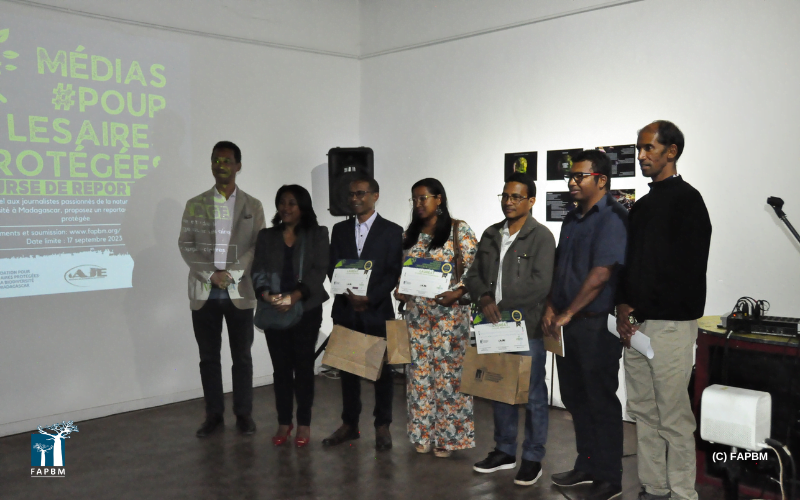
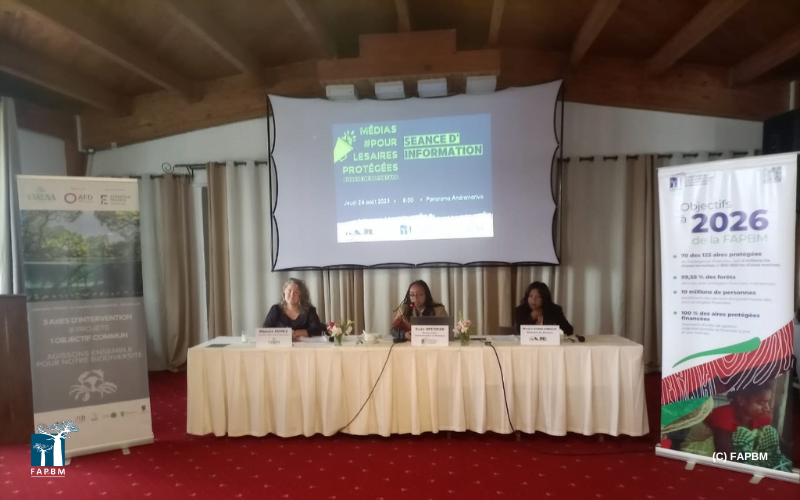
Antananarivo, September 29, 2023 – The Association of Journalists for the Environment (AJE), Madagascar Protected Areas and Biodiversity Fund (FAPBM) and VARUNA project are proud to announce the winners of the Media #ForProtectedAreas call for reporting projects. The organizers would like to thank all participants for their interest, as well as the partners and jury for their support. An advocacy for protected areas The biodiversity reporting grant aims to (i) increase the visibility of protected areas in the malagasy and international media ; (ii) shed light on critical remote sites by enabling local journalists to access them ; (iii) support advocacy efforts towards decision-makers on the importance of biodiversity for communities. After a rigorous selection process, the jury selected the winning reporting projects in the three established categories: print, radio and audiovisual. The selection was based on the following criteria : originality of the subject relevant to the topic, writing style …

Protecting the forests of Madagascar through protected areas

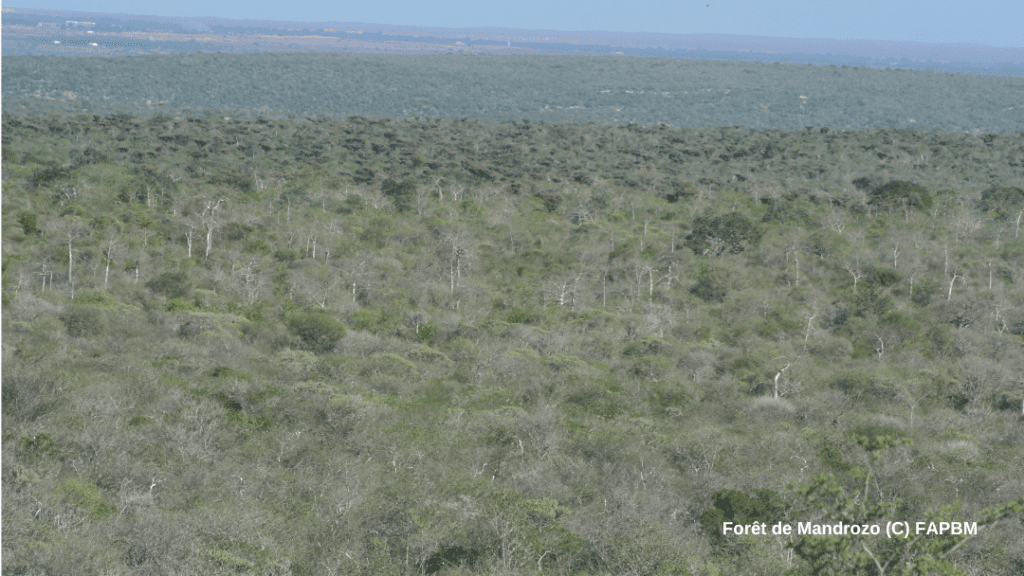
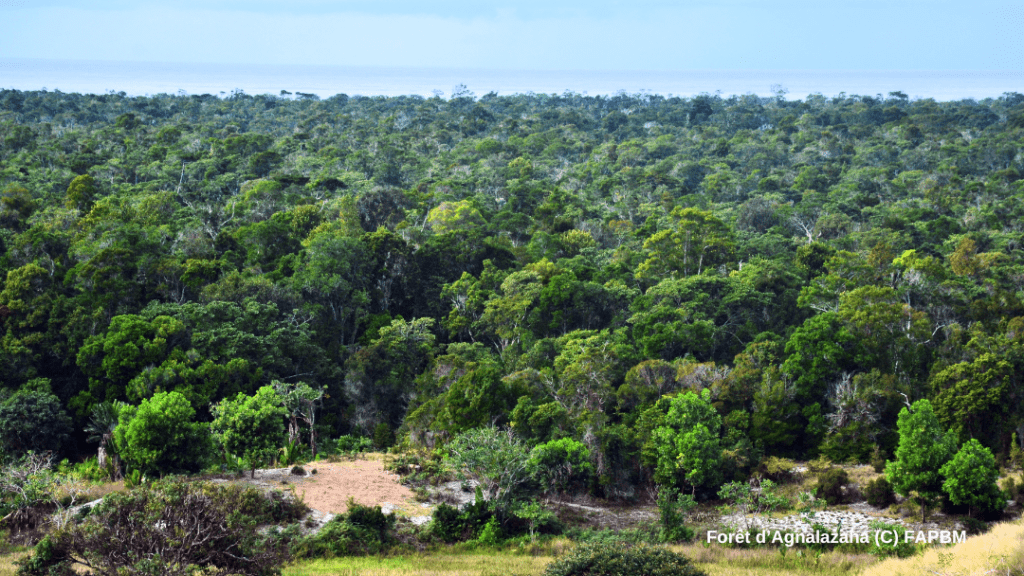
The natural forests of Madagascar, including moist evergreen, dry, and spiny forests, are primarily preserved within terrestrial protected areas. These areas, managed by conservation experts such as Madagascar National Parks and national and international NGOs, face the dual challenge of preserving and restoring natural forest ecosystems in close collaboration with local communities. Preserving forests from fire to fight deforestation Fire is the main form of pressure and is subject to dedicated management systems within each protected area. Fires in protected areas may have multiple origins: natural, intentional, or resulting from uncontrolled proliferation. Protected areas that encompass dry forests, dry thickets, and sclerophyllous forests are particularly prone to fires. Rainforests are also affected by fires during the dry seasons for the purpose of slash-and-burn agriculture. Experiences of protected area managers show that physical securing of protected areas, effective presence, and community mobilization are crucial for an effective fire management system. In …

Nature conservation: daily actions to adopt

Nature is under threat, but we can all take action to help protect it. Madagascar has identified a list of 123 critical areas where biodiversity have to be protected. Conservation experts collaborate with government agents and local communities to preserve the ecosystem services these areas provide, benefiting both local and global populations. When we act for nature, we also act for people. Human activities are the cause of global biodiversity loss and nature degradation, but we can act to reverse this trend. On Biodiversity Day 2022, the teams at UN Biodiversity published a list of 22 actions in favor of biodiversity, aligned with the post-2020 global biodiversity framework. FAPBM has adapted these actions for the context of Madagascar. It recognizes that these actions are not exhaustive, and some may not be feasible in certain regions or communities. Maintain and Preserve Important Biodiversity Areas, Especially Protected Areas Restore an area, near …

Preservation of biodiversity in Madagascar through protected areas

Biodiversity, or biological diversity, encompasses all living organisms and the environments in which they exist. It also includes the interactions between species and their ecosystems. It encompasses species diversity, genetic diversity within individuals, and the diversity of habitats and ecosystems. Preserving Biodiversity to Maintain Ecosystem Services Human beings draw benefits, known as ecosystem services, from nature. These services can be classified into three categories. First, provisioning services refer to the products provided by nature, such as clean water, fuel, timber, and medicine. Second, cultural services encompass the non-material contributions of nature, including aesthetic, spiritual, recreational, tourism, and educational aspects. Last, regulating services are the benefits provided by ecosystems, such as climate regulation, flood mitigation, soil erosion prevention, coastal protection against cyclones, pollination in agriculture, and disease control. The maintenance and sustainability of these ecosystem services requires the rational use and consumption of the resources provided by biodiversity. The Government of …

Protected area managers: at the forefront of biodiversity conservation in Madagascar

Protected area managers, as conservation experts, play a crucial role in preserving the biodiversity of the “Big Island” of Madagascar. Who are they, and what is their purpose? Protected Area Managers: A Community of Experts The livelihoods of communities depend on nature and biodiversity. The beauty and uniqueness of Madagascar’s biodiversity make it exceptionally rich, yet sadly threatened. Currently, protected areas represent the best means of conserving biodiversity within its natural habitats. National parks, nature reserves, community conservation areas, and more are part of the solution. According to a 2022 study by FAPBM, over 70% of Madagascar’s documented biodiversity is found within protected areas. Madagascar National Parks (MNP), along with NGOs and/or associations run the 123 protected areas within the Madagascar System of Protected Areas of (SAPM). These organizations dedicated to environmental resource protection work with the government and local communities to preserve species and ecosystems. Their expertise and skills …

Financing protected marine areas in a sustainable manner in Madagascar

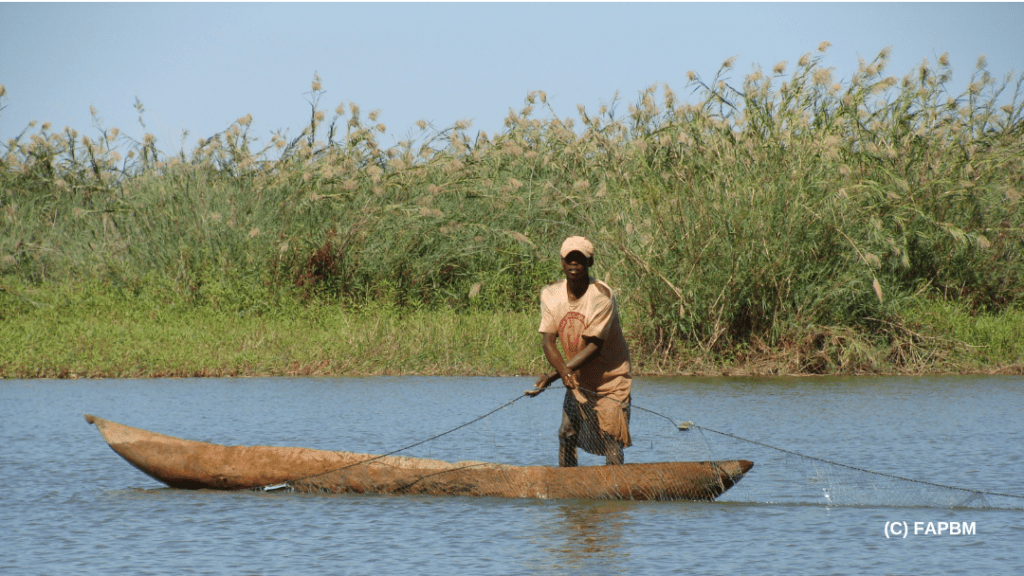
Financing protected areas (PAs) in Madagascar, whether terrestrial or marine, remains a challenge for PA managers and supporting organizations. How can we ensure sustainable funding for the System of Protected Areas in Madagascar (SAPM) as a whole, and specifically for marine protected areas (MPAs)? Expanding Marine Protected Areas in Madagascar A marine protected area (MPA) is a delimited coastal or aquatic territory dedicated to ensuring the long-term conservation of nature, ecosystem services, and associated cultural values. MPAs aim to protect species, particularly marine habitats, preserve or improve water quality, promote sustainable use of resources or sustainable development of maritime activities, and maintain cultural heritage. Madagascar has identified critical places for marine biodiversity that require absolute protection and financing as marine protected areas. The existing 22 MPAs cover nearly 1.38 million hectares of marine habitats, representing approximately 10% of Madagascar’s marine surface. These MPAs preserve, among others, 30% of coral reefs …

Nature Conservation in Madagascar through Protected Areas

In 2005, Madagascar Protected Areas and Biodiversity Fund (FAPBM) was established to provide sustainable financing for Madagascar’s protected area network and nature conservation. The fund has a capital of 140 million USD (FAPBM, 2022), and its revenues support the operation of protected areas. The International Union for Conservation of Nature (IUCN) defines a Protected Area as a clearly delimited geographical space, recognized, dedicated, and managed through effective legal or other means to achieve long-term conservation of nature, along with associated ecosystem services and cultural values. Protected areas are classified into five categories based on their use. Madagascar Protected Areas   Madagascar has 123 protected areas, including 101 terrestrial and 22 marine, covering a total area of 7,612,346 hectares, encompassing terrestrial, aquatic, and marine ecosystems. The protected terrestrial areas cover 6,233,317 hectares, representing 10.8% of the land territory. The protected marine and intertidal areas cover 1,379,029 hectares, representing 11.8% of the …

Madagascar Forests: A Diversity to preserve

Greening Madagascar is the challenge that governments have set for themselves, highlighting their commitment to restoring lost forests. Equally important, however, is the conservation of the remaining natural forests. Let’s explore Madagascar’s primary forests. The Thousand and One Forests of Madagascar With a surface area of 587,040 km², Madagascar ranks among the five largest islands in the world. The extensive coverage, spanning 14 degrees of latitude, explains the diversity of its climates, resulting in a variety of forest ecosystems. Rainforests: Along the eastern coast of Madagascar, moist evergreen forests extend from Marojejy (Sava Region, Northern Madagascar) to Andohahela (Anosy Region, Southern Madagascar). Comprising endemic biodiversity found in high altitude rainforests are well-known terrestrial protected areas on the island. In fact, the Eastern Rainforests are recognized as a UNESCO World Heritage Site. Dry forests: The majority of forests in western and southern Madagascar are dense dry forests that shed their leaves …

Biodiversity Foundations: Addressing the Funding Gap

Biodiversity Foundations: Addressing the Funding Gap As the pressure on natural environments keeps on increasing, mobilizing funding for biodiversity conservation is a significant challenge. In this context, Conservation Trust Funds (CTFs) are important tools for generating resources to support protected areas. We need to be aware of everything about it! Financing Terrestrial, Marine, and Coastal Biodiversity Conservation Conservation Trust Funds (CTFs) are legal independent private institutions that aim to provide sustainable funding for conservation actions. Their main mission is to raise funds from international donors, governments, or the private sector, which are then invested diversely in capital markets to generate financial returns. Subsequently, these returns are distributed as grants to protected areas or biodiversity NGOs. These funds complement existing support and revenue derived from tourism. Thanks to their stability and ability to generate long-term resources, biodiversity foundations contribute significant additional means for conserving terrestrial, marine, and coastal biodiversity. Lowly affected …

Funding Protected Areas in Madagascar for Nature Conservation

fapbm

For nature conservation, financing Protected Areas (PAs) is a crucial issue given the growing interest of NGOs, decision-makers, and citizens in environmental matters. In developing countries, PAs receive on average less than 30% of the funding needed to ensure basic management of conservation actions. Why is funding for Protected Areas essential, and how can we achieve sustainable financing for Madagascar’s Protected Areas System (SAPM)? The Importance of protected areas and the financial gap of PAs PAs are vital for our survival due to the ecosystem services they provide: resources for food, water regulation and cycling, carbon storage, mitigation of climate change effects, and the landscape beauty. The existence of PAs ensures the survival of humanity in general and of neighboring communities for instance (water supply, soil fertility, medicinal plants). They ensure the productivity of the primary sector and resilience to climate change.   PA managers face a considerable challenge: finding …

Media #ForProtectedAreas : A Call for Media Engagement for Biodiversity

Antananarivo, August 24, 2023 – The Association of Journalists for the Environment (AJE), Madagascar Protected Areas and Biodiversity Fund (FAPBM) and VARUNA project officially launched a call for reporting projects on 27 July, recognising the crucial role of the media and journalists in raising public awareness and advocacy for biodiversity conservation. The initiative aims to encourage and support biodiversity-minded journalists to produce original stories about local communities and experts involved in biodiversity conservation, and to highlight remote protected areas. Spotlight on the men and women behind conservation Madagascar’s biodiversity and the threats it faces are well known, but far less well known are those who are working to conserve it for the benefit of local communities, the region and even the country. However, many communities and professionals are achieving positive and encouraging results in biodiversity conservation. Among these communities, many have experienced a significant change in behaviour. Repentant charcoal burners …

Media #ForProtectedAreas of Madagascar on RVS Radio with Ony Rasoamalala

AUDIO TRANSCRIPTION OF THE ECO NATURE PROGRAM FROM AUGUST 17, 2023 Opening credits: < Eco Nature, a programme produced by RVS to talk about ecology, nature and the ecosystem related to the environment. Eco Nature with Ony Rasolomalala > Ony (O) : Hello and welcome to Eco Nature with Ony Rasolomalala. And as we said, we’re going to talk about the ecosystem, ecology, nature and the environment. As with every show, we have a guest to talk about a particular topic. Today, we have Roda OPERMAN, Communication and Advocacy Officer at Madagascar Protected Areas and Biodiversity Fund (FAPBM). Hello Roda. Roda (R): Good morning Mrs Ony Rasolomalala, thank you for inviting me. I’m very happy to be with you today. O : Well, my very first question: what is a protected area? R : A protected area is really a delimited territory, either terrestrial or aquatic, that has significant biological …

BNI MADAGASCAR and FAPBM join forces to protect and restore Maromizaha Reserve

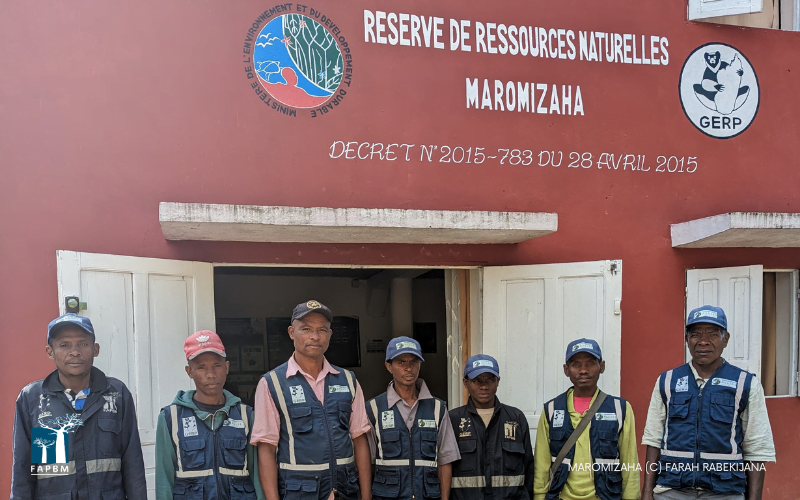
Antananarivo, 04 Septembre 2023 — BNI MADAGASCAR and Madagascar Protected Areas and Biodiversity Fund (FAPBM) are proud to announce the signing of a financing agreement for a forest restoration project at the Maromizaha protected area (Alaotra Mangoro region), managed by the Groupe d’Etudes et de Recherches sur les Primates (GERP). The funding will cover the maintenance of 62 hectares of restored degraded areas, requiring the planting of 45,000 seedlings, mainly native species, over a one-year period. As a sustainable funding mechanism for Madagascar’s protected areas, FAPBM will play a key role in managing the fund and monitoring its impact, while GERP will implement the technical activities. Maromizaha: an example of good forest management Located in eastern Madagascar, the Maromizaha Protected Area is home to a dense moistering managed by GERP. This forest provides essential ecosystem services to local communities, such as drinking water and surrounding crops field irrigation. It also …

Madagascar National Parks mobilises to protect madagascar’s protected areas from devastating fires

Madagascar National Parks (MNP) and the Madagascar Protected Areas and Biodiversity Fund (FAPBM) have signed a financing agreement to fight fires in MNP’s protected areas. This signature reflects the firm determination of MNP to fight the fires that threaten the Protected Areas in its network. These fires, which account for 2% of Madagascar’s annual fire rate in these precious areas, represent a serious threat to biodiversity, ecological balance and the way of life of local communities. With this critical situation, MNP is committed to a global and strategic approach, highlighting the importance of Protected Areas and mobilising all stakeholders for preventive, active and restorative action. MNP-FAPBM synergy: Strengthening the means to protect Protected Areas MNP will receive funding from FAPBM to implement its fire-fighting strategy. An emergency fund will be available to the 17 most vulnerable protected areas in the MNP network, representing 1.48 million hectares of wildlife habitat ecosystems. …

 A new partnership to strengthen skills of Malagasy Professionals and Community Leaders for successful conservation

Antananarivo, August 11, 2023 – The Danish Hempel Foundation and Madagascar Protected Areas and Biodiversity Fund (FAPBM) signed a grant agreement for a long-term Professional Training Program in favour of Malagasy professionals and community leaders. The goal is to strengthen their skills needed to protect biodiversity and ensure that ecosystems will continue to provide much-needed services such as clean water, healthy forests and productive coastal waters. FAPBM’s experts will manage the program so that communities and professionals can succeed in managing Madagascar’s important network of protected areas.   Local training to accelerate and grow local, regional, national and global impacts   Madagascar’s network of protected areas can play a key role for the country’s development as the protected areas can support local, regional and national economic growth. In fact, according to a recent study (FAPBM,2022), Madagascar’s 123 protected areas contribute approximately USD 450 million per year to various key strategic …

The contributors to FAPBM’capital and the directors have begun a process of reflection to accelerate the impacts

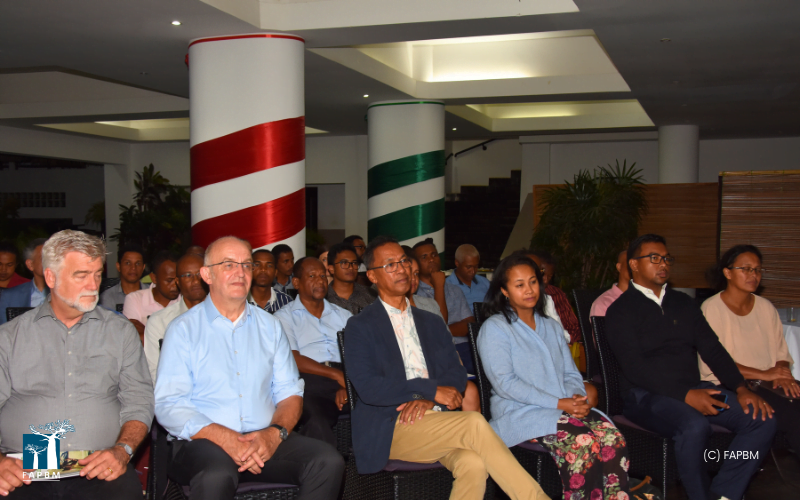
Antsiranana June 19, 2023 -The 21st Meeting of Contributors to Madagascar Protected Areas and Biodiversity Fund took place on June 19th in Antsiranana, under the leadership of Mr. Bruno Rajaspera. It brought together members of the Board of Directors of the FAPBM, as well as historical contributors to FAPBM, such as the Government of Madagascar represented by the Ministry of Environment and Sustainable Development and the Ministry of Economy and Finance, Conservation International and WWF (founders of FAPBM), KfW, AFD, and the World Bank. FAPBM organizes a meeting every year to discuss the necessary strategic and tactical directions to advance FAPBM’s mission, with a retrospective of Year 2022. Indeed, as a trust fund, FAPBM collects donations and invests them in financial markets instead of directly transferring them to beneficiary organizations. Only the generated income is used to finance protected areas. Thus FAPBM constitutes a robust and reliable financial mechanism capable …

New Presidency for Madagascar Protected Areas and Biodiversity Fund (FAPBM)

Antananarivo, June 2, 2023 – Bruno Rajaspera, acting Country Director of Conservation International Madagascar, has been elected as the Chairman of the Board of Trustees of FAPBM. He succeeds Nanie Ratsifandrihamanana for a two-year term. This new presidency went along with the renewal of the Executive Committee and the integration of new members into the Board, which is made of a plethora of multisectoral experts: Hanta Zo RAKOTOVAO, Vice-Chairman, Head of Legal and Regulatory Department at Orange Madagascar, Freddy RAJAONERA ANDRIAMBELO, Treasurer, Deputy General Manager of Chocolaterie Robert, Alexis BEFENO, Member, Team Leader in the Industry Division of PROPARCO, a subsidiary of AFD dedicated to the private sector. Hary Tiana RAHAINGOALISON, Member, Agronomist, specialist in coordination and monitoring of international projects in Madagascar, James RANAIVOSON, Member, Former Director’s Advisor at the European Investment Bank, Jean Hervé BAKARIZAFY, Member, Director of Protected Areas, Renewable Natural Resources, and Ecosystems at the Ministry of …

Art and Biodiversity Project: Launch of the second edition

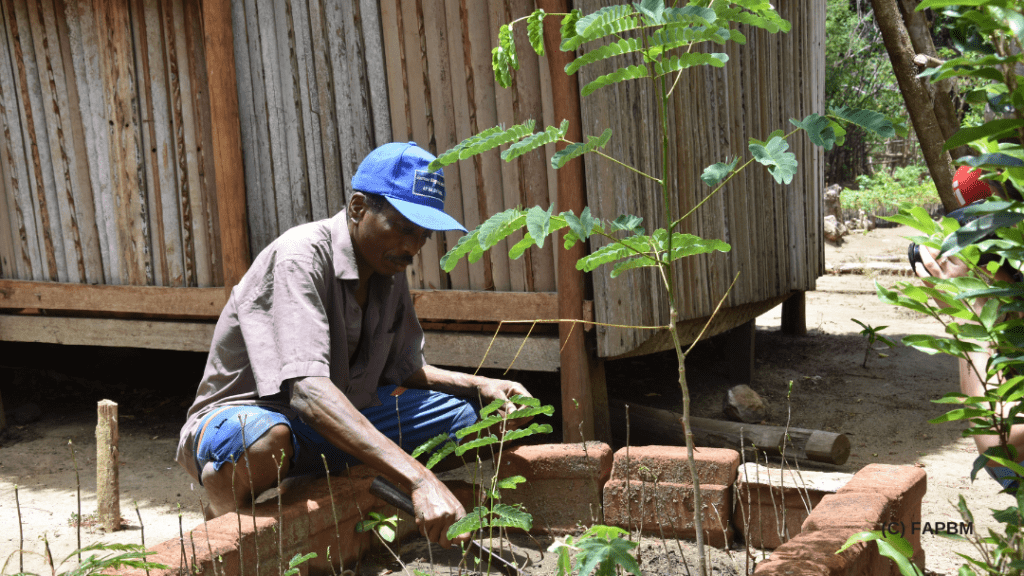
May 24 2023 – On the occasion of World Biodiversity Day on May 22, 2023, the Madagascar Protected Areas and Biodiversity Fund (FAPBM) and the artist association La Teinturerie are launching the second edition of the Art and Biodiversity project. This is a competition for small cultural projects aimed at supporting cultural initiatives that contribute to advocating for the protection and preservation of Madagascar’s biodiversity. With nearly two-thirds of Madagascar’s population estimated to be under the age of 25, the competition specifically targets them as both actors and the primary beneficiaries and recipients of the works. Art is recognized as a privileged medium for effectively conveying awareness messages to the general public. The first edition of the project in 2022 resulted in various artworks showcasing the richness of Madagascar’s biodiversity while also highlighting the threats it faces and the consequences for the population. This year’s theme is “From Agreement to Action: …

Strong consortium for the preservation of the Western Madagascar baobab forests and the development of local communities

Morondava, 17 May 2023 – The protected areas of Andranomena, Kirindy Mitea, Menabe Antimena and Allée des Boababs (Western Madagascar) will benefit of a grant from the Danish Hempel Foundation for the implementation of the project “Protection of the baobab forests of Western Madagascar”. The funding, amounting to DKK 15 million from 2022-2025, will be dedicated to maintaining the biodiversity and ecological integrity of the Menabe baobab forest landscape, securing the livelihoods of local communities, and implementing effective conservation governance of the landscape. Protected area security, reforestation, management coordination, development, and financial empowerment of protected areas will be significantly strengthened with this additional funding. Madagascar Protected Areas and Biodiversity Fund (FAPBM) will be in charge of the financial management of the project, and the Consortium of protected area managers formed by Madagascar National Parks, Fanamby and Durrell will be in charge of its implementation. FAPBM and the Consortium officially launched …

GEF6-AMPs: The list of selected projects to discover

Projets à découvrir - FAPBM

The call for projects “Support to Marine Protected Areas (MPAs) and Locally Managed Marine Areas (LMMAs)” launched by the GEF6-AMPs project identified seven pilot initiatives, which are currently in the process of compliance. The GEF6-AMPs project, “Expanding and Consolidating Madagascar’s Network of Marine Protected Areas” aims to ensure that Madagascar’s marine biodiversity and productivity are effectively managed through a sustainable and resilient national network of MPAs and also contributes to Madagascar’s commitments under the Sydney pledge to triple the size of MPAs. The project is financed by the Global Environment Facility with USD 6 million for the 2020-2024 period. It is implemented by the Ministry of Environment and Sustainable Development (MEDD), with technical support from WWF. Financial management is provided by FAPBM. Additional financial support for protected areas Launched in July 2022, the call for projects will grant each selected projects with an amount of between USD 40,000 and USD …

Proud to be a member of :