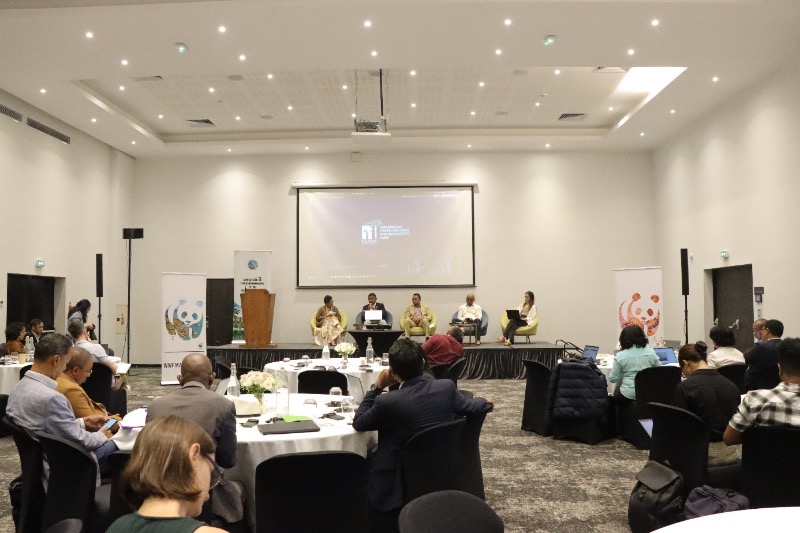
On 28 and 29 April 2026, at the Radisson Blu Hotel Antananarivo, key stakeholders involved in biodiversity conservation came together at the initiative of WWF Madagascar with a shared objective: to lay the foundations for sustainable finance capable of supporting Madagascar’s ambitions under the 30×30 Plan.
This strategic workshop, organised in a hybrid format, brought together public institutions, technical and financial partners, the private sector, conservation organisations such as FAPBM, and experts to address a central question: how can we mobilise long-term, coordinated and large-scale financing to sustainably preserve the country’s natural capital?
A key objective of the workshop was to identify the most viable sustainable finance mechanisms for Madagascar, harmonise existing approaches and strengthen synergies between the various initiatives already underway in the country.
The 30×30 plan: protecting biodiversity on a large scale
The discussions helped to place the talks within the context of Madagascar’s international commitments, notably the 30×30 target aimed at protecting 30% of land and marine areas by 2030.
But beyond environmental ambitions, the discussions above all highlighted a key reality: preserving Madagascar’s ecosystems also means protecting the very foundations of its economy, its water security and the resilience of its territories.
Given the scale of the needs, participants emphasised the need to move beyond traditional conservation funding models—which are often fragmented and inadequate—towards a more integrated and structured approach.
Building a sustainable financial framework for biodiversity
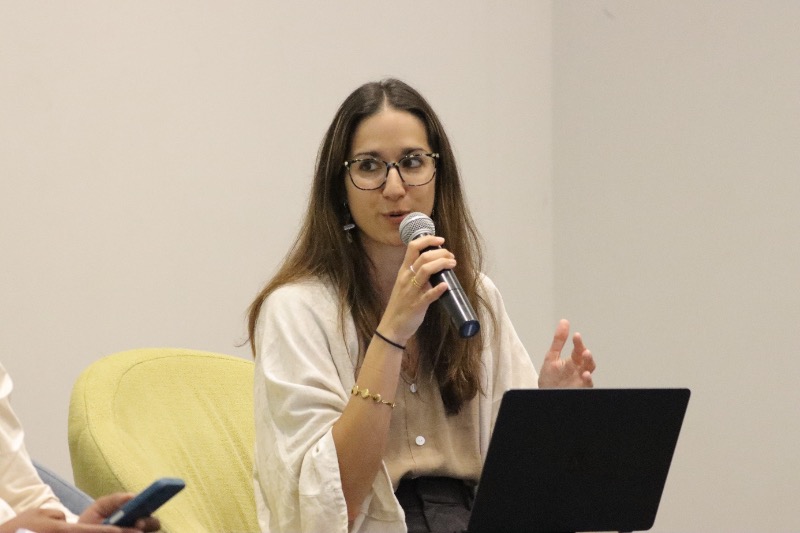
The discussions highlighted the need to move beyond traditional approaches based solely on one-off funding or short-term projects. Participants emphasised the importance of building a truly sustainable financial architecture capable of securing long-term resources for Madagascar’s protected areas and strategic landscapes, whilst strengthening local capacities, legal frameworks and the financial inclusion of communities engaged in the sustainable management of natural resources.
Several complementary mechanisms were thus identified as key levers:
- Carbon markets and nature-based solutions;
- Strengthened partnerships with the private sector;
- Blended finance mechanisms, combining public, private and philanthropic funding;
- Co-financing arrangements to increase the leverage of investments;
- As well as trust funds dedicated to conservation.
The discussions also provided an opportunity to explore in more concrete terms a number of innovative financial instruments, including green and sustainable bonds, debt-for-nature swaps, and ‘landscape finance’ approaches aimed at providing sustainable financing for entire regions by balancing biodiversity, climate action and economic development.
Several technical sessions also focused on the opportunities offered by international financing, notably the Global Environment Facility (GEF-9), the Green Climate Fund (GCF) and carbon financing mechanisms such as the JREDD+ programme or nature-based solutions projects.
This integrated approach is based on a key principle: no single mechanism, taken in isolation, can address the scale of today’s environmental challenges. It is the complementarity of financial tools and the coordination of stakeholders that will enable a sustainable impact to be created.
FAPBM highlights the strategic role of conservation trust funds
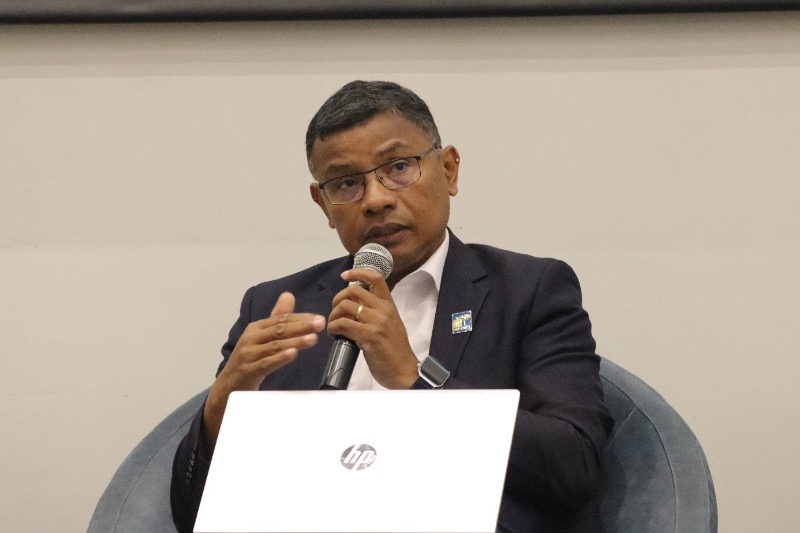
In this context, Madagascar Protected Areas and Biodiversity Fund (FAPBM) shared its experience as a trust fund dedicated to the sustainable financing of protected areas in Madagascar.
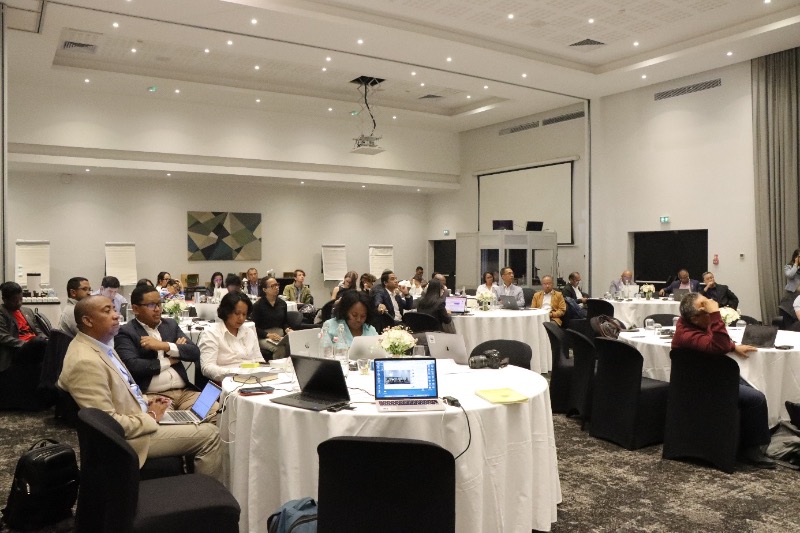
During the panel discussion on ‘Conservation Trust Funds and Hybrid Financial Mechanisms’, the Foundation’s Executive Director, Dr Rija Ranaivoarison, emphasised that trust funds now play a central role in securing long-term funding for biodiversity.
His presentation highlighted a key issue in particular: conservation can no longer be viewed solely as an environmental expense, but as a strategic investment in the country’s economic and social resilience.
During the discussions, several key points were raised, such as:
- The need to strengthen long-term funding for protected areas;
- The importance of building more bridges between conservation and finance;
- And the need to activate, on a large scale, hybrid mechanisms capable of simultaneously mobilising public resources, private investment and international funding.
The discussions also helped to put the complementary role of trust funds into perspective alongside other innovative instruments, such as the Marine Conservation and Resilience Fund (MCRF), Finance for Permanence initiatives, and mechanisms linked to the blue economy.
He also pointed out that trust funds provide essential stability in a context where conservation funding often remains fragmented and vulnerable to economic fluctuations.
A shared responsibility among stakeholders
Beyond financial mechanisms, the discussions highlighted the complementary roles played by the various stakeholders in achieving the 30×30 target.
The government appears to be a key player in defining strategic directions, strengthening regulatory frameworks and creating an environment conducive to sustainable investment. Technical and financial partners play an essential role in supporting reforms and mobilising international resources.
The private sector, for its part, is set to become a major partner in the transition, by further integrating environmental considerations into its investment and value creation strategies.
Companies and investment funds active in Madagascar shared their experiences and perspectives, illustrating the growing potential of private investment in sectors linked to biodiversity, climate and sustainable value chains.
Finally, conservation organisations and trust funds such as FAPBM act as catalysts, capable of connecting on-the-ground needs, conservation objectives and innovative financial solutions.
From dialogue to action
This workshop conveyed a message of hope and collective action. In the face of the ecological emergency, participants emphasised that Madagascar possesses natural capital that is unique in the world, but that its preservation will now depend on our collective ability to establish sustainable, coherent and ambitious financial mechanisms.
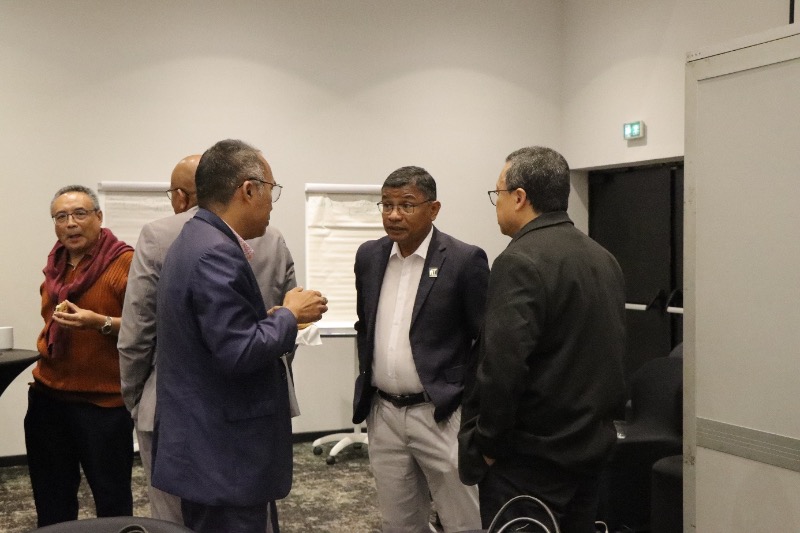
The second day of the workshop notably enabled participants to work collaboratively through a “World Café” format, in order to identify common obstacles to the development of sustainable finance, opportunities to be strengthened, and priority actions to be undertaken in the short, medium and long term.
The discussions also helped to clarify several concrete next steps, notably the definition of the roles and responsibilities of the various organisations involved, as well as the necessary collaboration arrangements to accelerate the implementation of the identified mechanisms.
This initiative by WWF Madagascar thus marks an important step towards a shared vision: making sustainable finance an essential pillar of conservation, territorial resilience and sustainable development in Madagascar.
Through its participation, FAPBM reaffirms its commitment to supporting this transformation and actively contributing to the development of a model where biodiversity, finance and development advance together for the benefit of future generations.