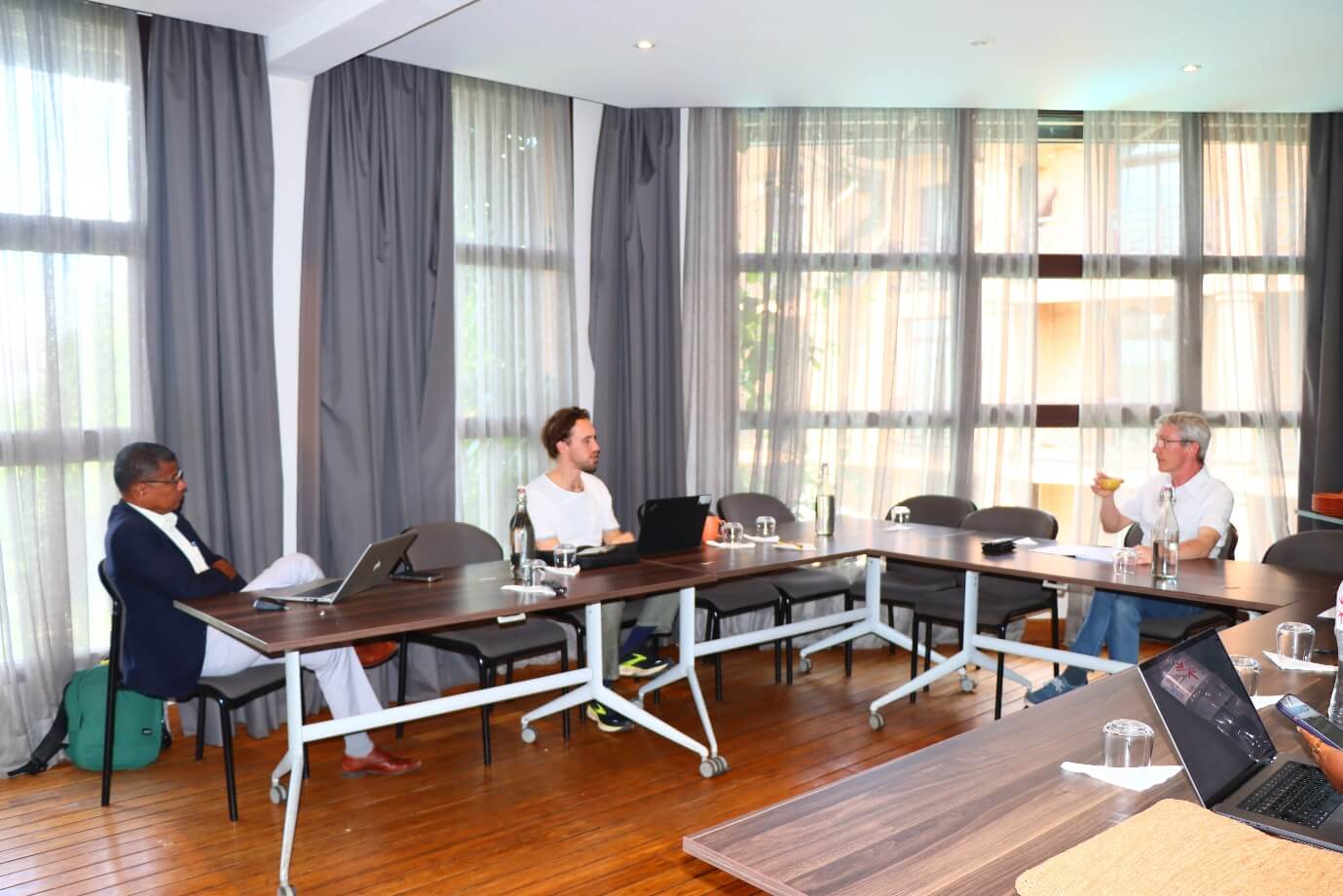
Since its creation in 2005, Madagascar Protected Areas and Biodiversity Fund (FAPBM) has made partnership a fundamental pillar of its action. With USD 157 million in capital and financial support for 75 protected areas across the country, the Foundation could not achieve these results without a solid network of institutional, technical, and community partners.
In a context where environmental challenges exceed the capacity of any single actor, FAPBM has developed a collaborative approach that harnesses the strengths of each stakeholder toward a common goal: sustainably protecting Madagascar’s unique natural heritage.
A partnership model for conservation
FAPBM does not directly manage protected areas. Its role is that of a financial catalyst, connecting available resources with field needs. This strategic positioning requires working hand in hand with a diverse range of actors: international donors, Malagasy ministries, conservation NGOs, protected area managers, and local communities.
This partnership architecture rests on a simple principle: each actor contributes their specific expertise. Donors provide financial resources. Public institutions define the regulatory framework. NGOs implement programs on the ground. Communities, guided by protected area managers, carry out daily surveillance and benefit from economic returns. FAPBM ensures financial management and guarantees the sustainability of funding flows through its endowment fund.
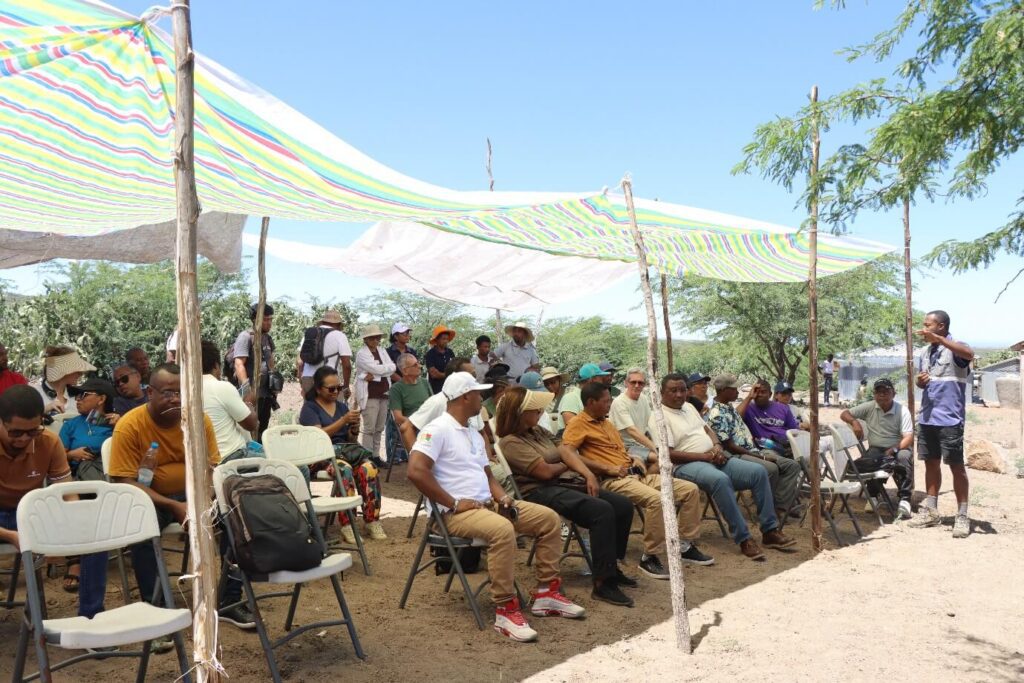
This model has proven its worth. Over twenty years, it has helped build a robust conservation ecosystem, capable of withstanding the political and economic upheavals that have shaken Madagascar.
Institutional partners committed for the long term
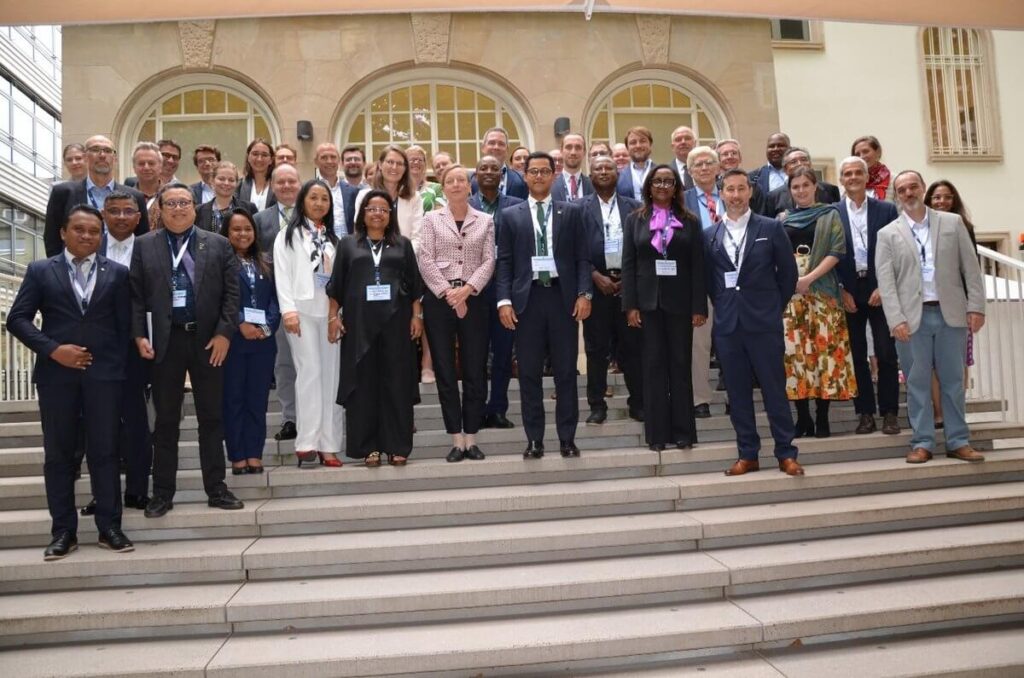
FAPBM’s success rests first on the trust of its historic financial partners. Among them, Germany holds a central place through KfW, its development bank. This partnership, initiated in the Foundation’s early years, has strengthened over time. The roundtable co-organized by FAPBM and KfW in Frankfurt in September 2025 confirmed this long-term commitment, with ambitious funding prospects for the years ahead.
Other bilateral and multilateral donors also contribute to FAPBM’s capital: France through the Agence Française de Développement (AFD), the European Union, the World Bank, and international philanthropic foundations. This diversity of sources is a major asset: it reduces dependence on any single donor and ensures the financial stability essential for conservation actions that unfold over the long term.
At the national level, FAPBM maintains close ties with the Ministry of Environment and Sustainable Development. This collaboration aligns funding with national priorities and strengthens the coherence of field interventions. The Foundation’s strategic plan thus fits within the government’s vision for protected area conservation.
NGOs and field managers: indispensable operational partners
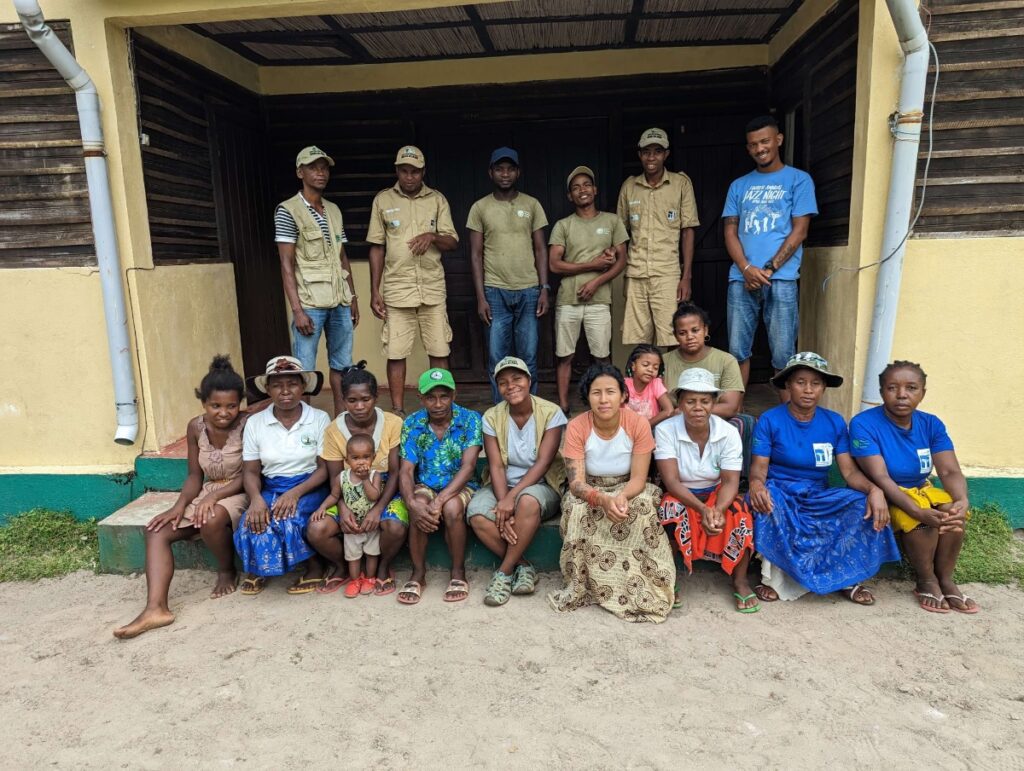
While financial partners provide resources, it is the field actors who turn these means into concrete impacts. FAPBM works with all protected area managers in Madagascar, whether public or private.
Madagascar National Parks (MNP), the body responsible for national parks, is a key partner and the first manager to have received FAPBM funding in 2007. Since 2025, FAPBM funds 42 of the 43 protected areas managed by MNP. The Foundation finances a significant portion of its operations, ensuring site surveillance, infrastructure maintenance, and visitor reception. This regular support guarantees operational continuity that one-off funding could not provide.
Beyond national parks, FAPBM supports 19 conservation NGOs that manage community or private protected areas, known as “Nouvelles aires protégées.” These organizations, often more agile, develop innovative approaches tailored to local contexts. The Foundation’s role is to provide them with stable financial support while respecting their management autonomy.
The supported projects and programs span the entire Malagasy territory, from the eastern rainforests to the southern spiny thickets, through the western mangroves and coral reefs. This geographic diversity reflects the richness of partnerships built over the years.
Local communities: frontline partners
Conservation cannot succeed without the support of populations living alongside protected areas. This is why FAPBM has made local communities full partners in its framework, through protected area managers.
This partnership takes several forms. First, funding income-generating activities that offer sustainable economic alternatives to natural resource exploitation. Then, supporting community associations that participate in site surveillance and management. Finally, backing environmental education projects that raise awareness among younger generations about the importance of biodiversity.
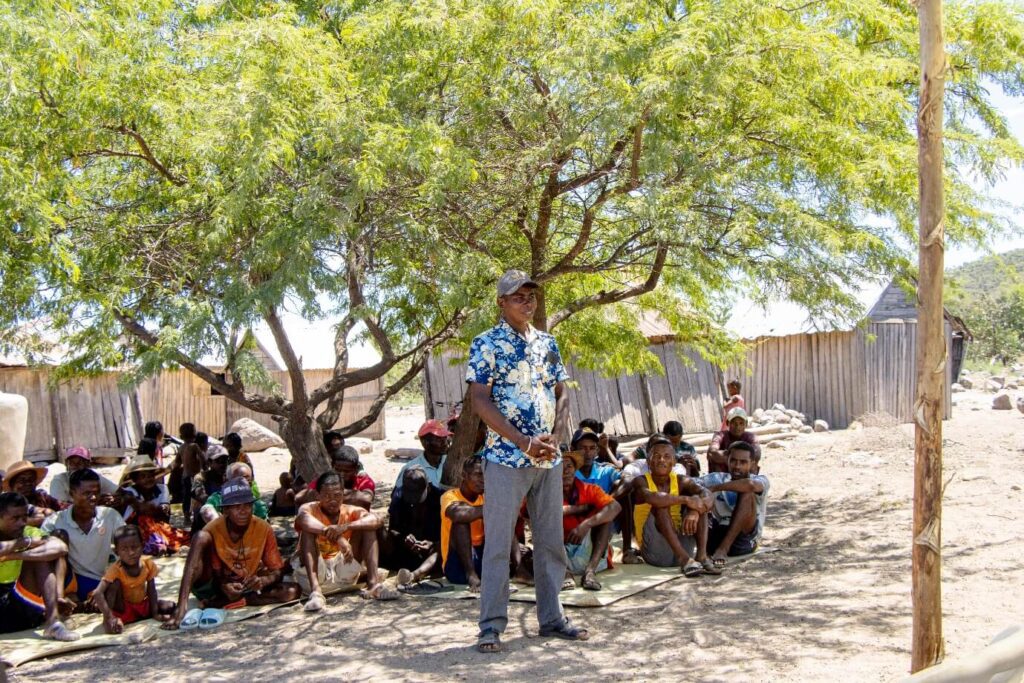
This approach translates concretely through the funding mechanisms implemented by FAPBM in partnership with protected area managers. Financial support is deployed through these managers, who oversee the implementation of activities and micro-projects led by communities living near protected areas or directly involving them. Sustainable agriculture, ecotourism, local crafts: the supported initiatives are diverse but share a common goal — demonstrating that nature protection and improved living conditions can go hand in hand.
Partnership and financing mechanisms in conservation
FAPBM also plays a key role in mobilizing and managing funding to support conservation initiatives in Madagascar. In this capacity, it is involved in several major projects: GEF6-AMP, BRIDGE, and Hempel Foundation funding.
GEF6-AMP project: Under this program funded by the Global Environment Facility (GEF) and implemented by the World Wide Fund for Nature (WWF), FAPBM was mandated to manage a fund of approximately USD 6,209,404. This funding targets the expansion and consolidation of marine protected areas in Madagascar over the 2020-2024 period, to strengthen marine biodiversity conservation.
BRIDGE project: FAPBM also benefits from the BRIDGE project, a joint initiative of the Consortium Africain des Fonds Environnementaux (CAFÉ) and RedLAC, funded by the FFEM (Fonds Français pour l’Environnement Mondial). This project aims to create strategic partnerships between the private sector and environmental funds like FAPBM, to reduce the financing gap in conservation.
Hempel Foundation funding: To support the conservation of priority forest landscapes in Madagascar, the Hempel Foundation provides FAPBM with multi-year financial support. This funding contributes to conservation actions in key areas such as Ankarafantsika National Park, the western baobab forest landscape, and the Ala Hiriky Mandrare landscape.
Through these various programs, FAPBM acts as a central financial mechanism for channeling, managing, and securing funding dedicated to biodiversity conservation and protected areas in Madagascar.
Measurable impacts on the ground
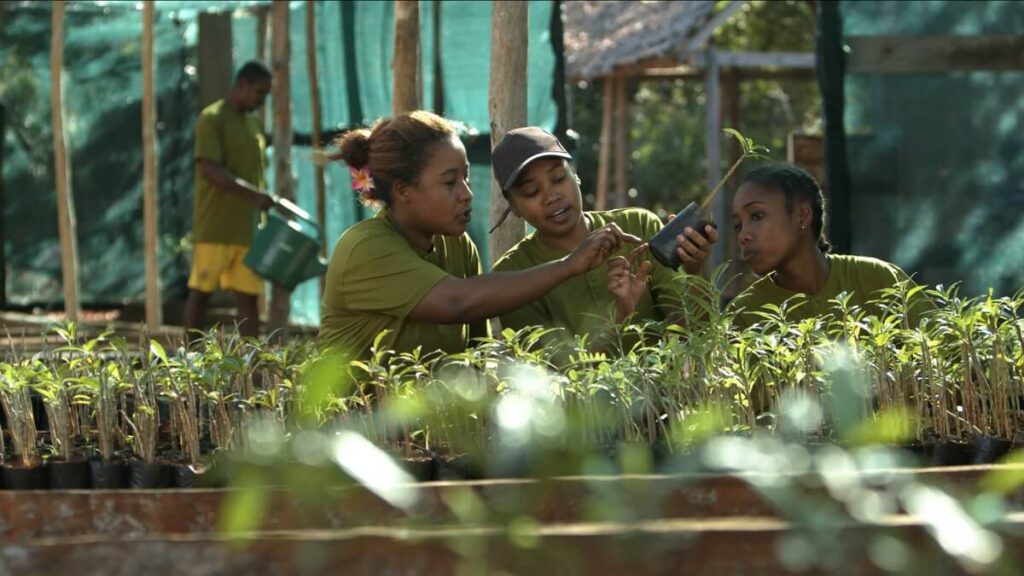
FAPBM’s strategic partnerships deliver concrete results. Each year, redistributed funds finance surveillance patrols, reforestation programs, manager training, and community projects.
Protected area management effectiveness within the SAPM network is measured by the METT (Management Effectiveness Tracking Tool). In 2024, scores showed a stable effectiveness level of 73% for MNP-managed protected areas compared to 2023. However, METT scores for “Nouvelles aires protégées” slightly decreased between 2023 and 2024: from 79% in 2023 to 76% in 2024. This is due to the integration of five new protected areas into FAPBM’s funding portfolio. In a context where pressures on ecosystems and natural resources remain strong, these scores show a positive impact of sustainable funding, as demonstrated by the high scores for FAPBM-funded protected areas.
Sites receiving regular funding show better management scores, better-preserved biodiversity, and stronger community involvement. This virtuous cycle demonstrates that stable funding, backed by solid partnerships, produces lasting impacts.
On the community side, results are also quantifiable: jobs created around protected areas reached 3,340 in 2024, with 31 value chains supported (up from 19 the previous year), and direct beneficiaries of economic returns grew from 12,675 in 2020 to 49,181 in 2024.
Beyond the numbers, thousands of families are seeing their living conditions improve through the economic benefits of conservation. Iconic species like lemurs benefit from better-protected habitats. Degraded ecosystems are gradually regaining their vitality.
Strengthening partnerships to meet tomorrow’s challenges
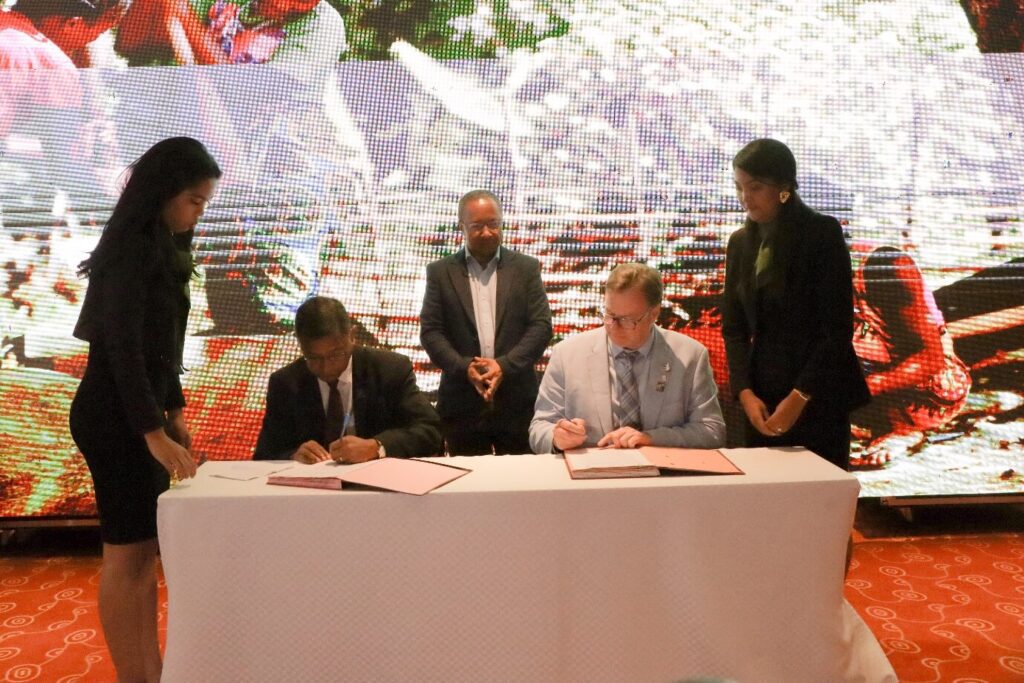
Facing intensifying pressures on Malagasy biodiversity, FAPBM intends to strengthen and expand its partner network. Several priorities guide this ambition.
The first is diversifying funding sources by engaging new actors: the private sector, philanthropic foundations, and green finance mechanisms. The Frankfurt roundtable opened promising prospects in this direction, with expressions of interest from environmentally conscious investors.
The second priority aims to strengthen field partner capacity. Training managers, supporting NGO professionalization, structuring community organizations — all actions that multiply the impact of funding.
Finally, FAPBM seeks to share its experience with other environmental trust funds worldwide. South-South partnerships and regional cooperation are levers for spreading best practices and inspiring similar models across the African continent.
A collaborative model in service of the living world
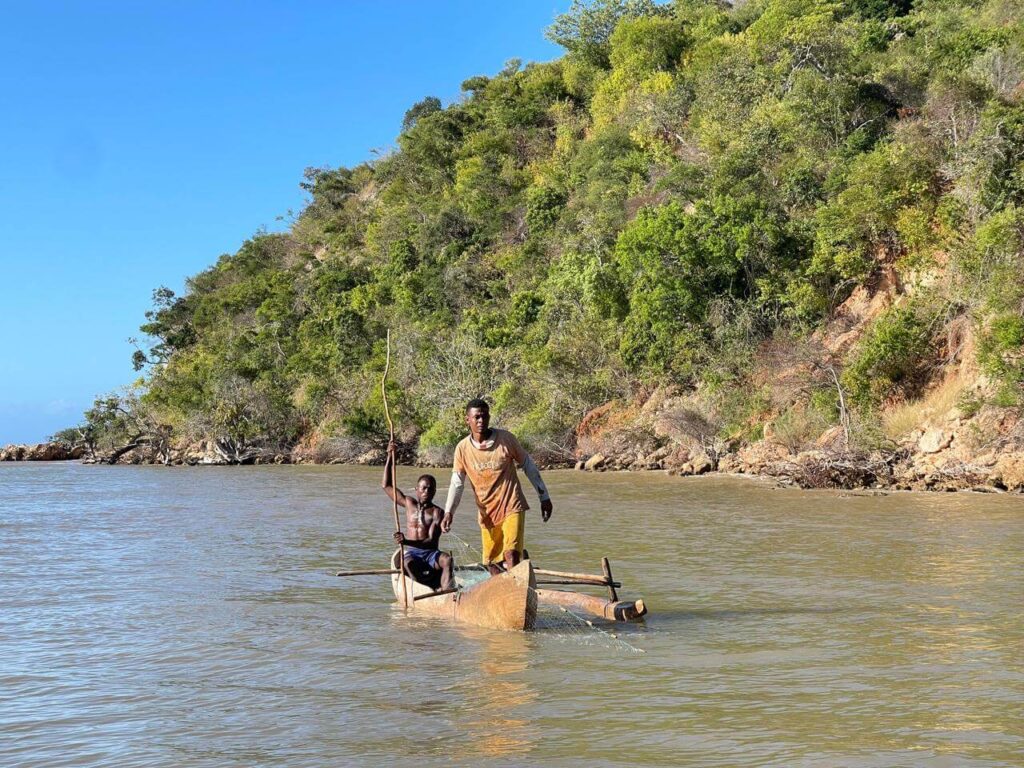
FAPBM’s history demonstrates that no single actor can meet the conservation challenge in Madagascar alone. It is the strength of strategic partnerships that makes it possible to mobilize the necessary resources, coordinate interventions, and guarantee lasting impacts on the ground.
By placing collaboration at the heart of its model, the Foundation has built a resilient conservation ecosystem, capable of adapting to changing contexts while staying the course on its long-term objectives. This partnership approach is a precious legacy for the next twenty years.
For Madagascar, whose globally unique biodiversity is a planetary treasure, these partnerships are not a luxury but a necessity. They embody a shared conviction: protecting nature is a collective responsibility that demands everyone’s commitment.
To discover the partners and projects supported by FAPBM, visit: Projects and Programs.