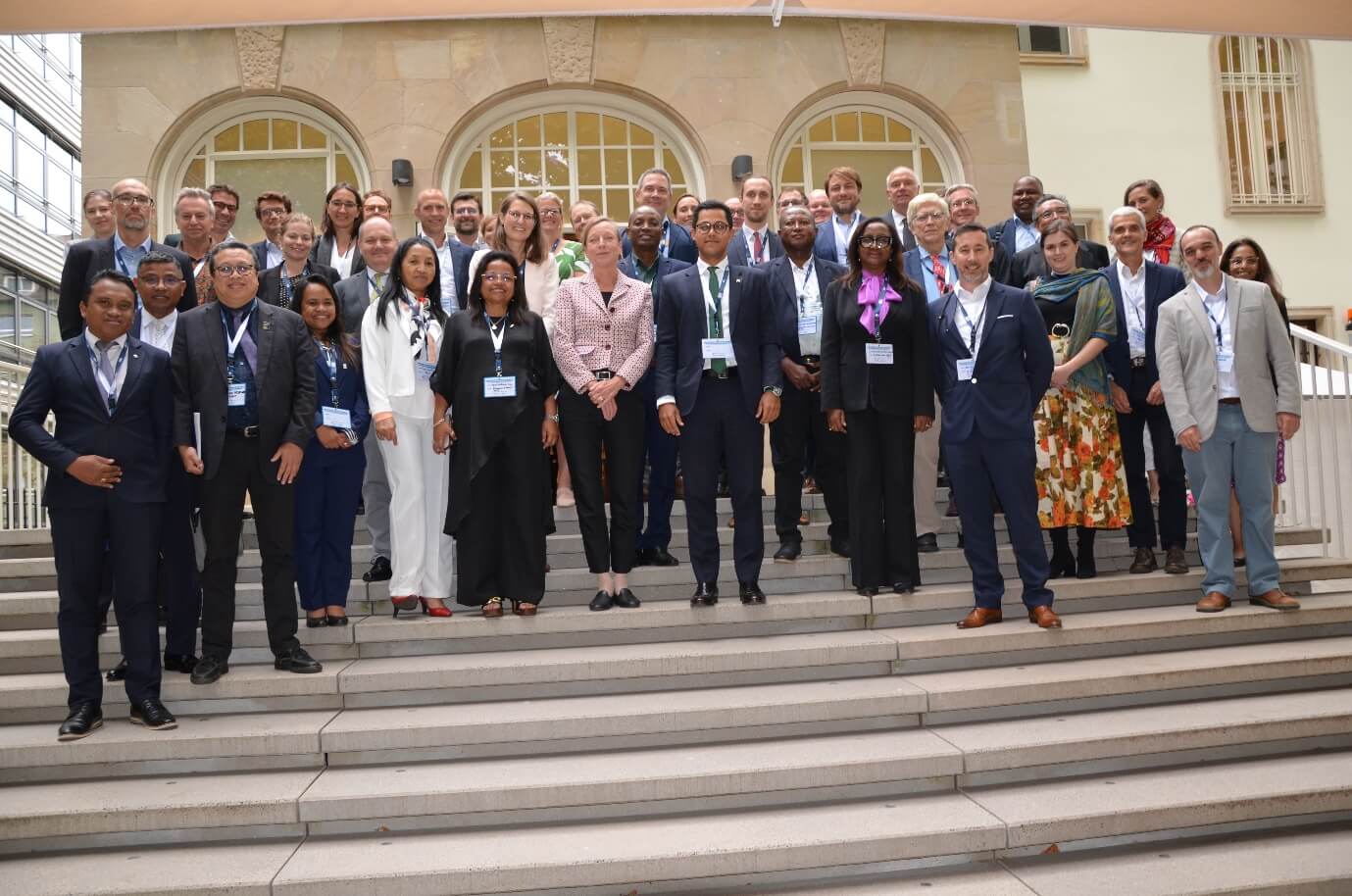
On September 16, 2025, Frankfurt hosted the donor roundtable on biodiversity financing for Madagascar. Co-organized by Madagascar Protected Areas and Biodiversity Fund (FAPBM) and KfW Development Bank, with support from the German government, this meeting brought together major biodiversity financing stakeholders around a strategic question: how can we secure the future of Madagascar’s protected areas in the face of growing threats and needs?
At a time when the biodiversity crisis is intensifying globally, Madagascar stands on the front line. The island is home to an exceptional natural wealth, with thousands of species found nowhere else on Earth. In this context, mobilizing sustainable and innovative funding is no longer optional — it is an absolute necessity.

Madagascar: a unique natural heritage to protect
To understand the importance of this roundtable, one must grasp what makes Madagascar truly exceptional. Separated from the African continent 165 million years ago, the island has developed a unique biodiversity: more than 80% of its species are endemic, making it one of the world’s most critical biodiversity hotspots.
The Malagasy government has made ambitious commitments, with a network of 125 protected areas covering more than 8 million hectares. Conservation programs have seen significant progress, driven by skilled, passionate, and dynamic Malagasy professionals.
However, a major challenge remains: sustainable financing. Effective protected area management requires substantial resources for monitoring, anti-poaching efforts, ecosystem restoration, and community support. Without innovative solutions, these efforts risk losing momentum.
FAPBM already plays a central role by providing stable, long-term funding for protected areas. However, its resources remain heavily dependent on donor contributions and financial market fluctuations, underscoring the need to diversify and strengthen long-term financing mechanisms.
Frankfurt: a strategic choice to rally donors
The choice of Frankfurt was deliberate. As Germany’s financial capital and home to the European Central Bank, the city symbolizes financial excellence. By hosting the event at KfW Villa, organizers sent a clear signal: conservation deserves to be treated with the same seriousness as major international economic issues.
KfW has established itself as a committed partner in conservation financing. FAPBM, for its part, brings twenty years of experience. Founded in 2005, it has become the financial pillar of conservation in Madagascar, funding 75 protected areas through an endowment fund of USD 157 million.
The event brought together philanthropic foundations, bilateral and multilateral donors, financial institutions, the private sector, CSR leaders, and green finance investors. This diversity reflects the complexity of the issues at stake, requiring a multisectoral and collaborative approach.
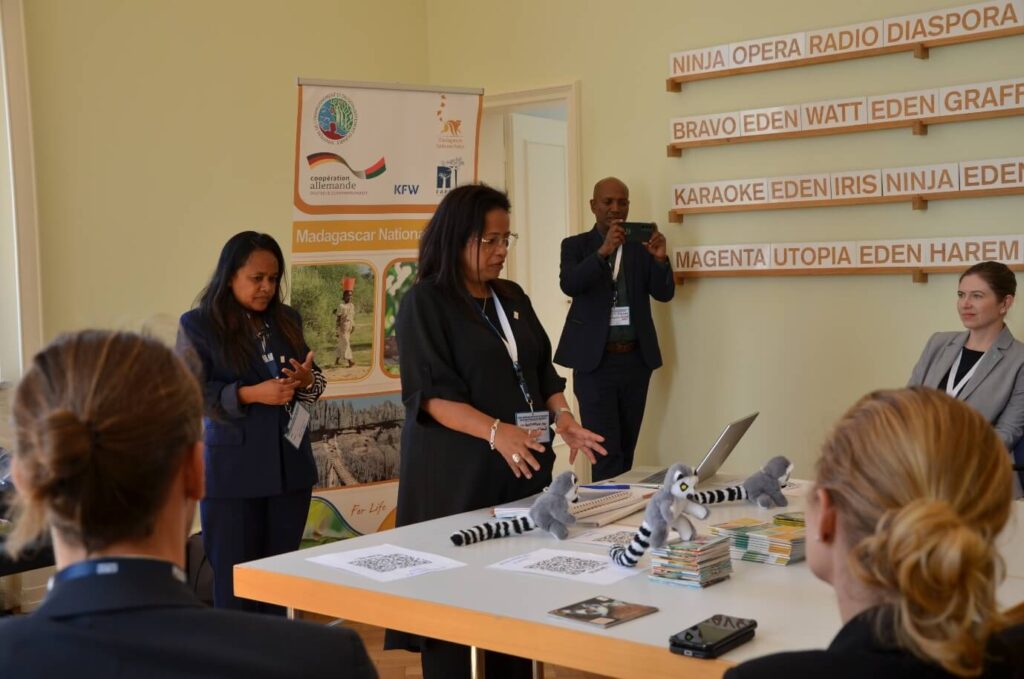
An ambitious program focused on solutions
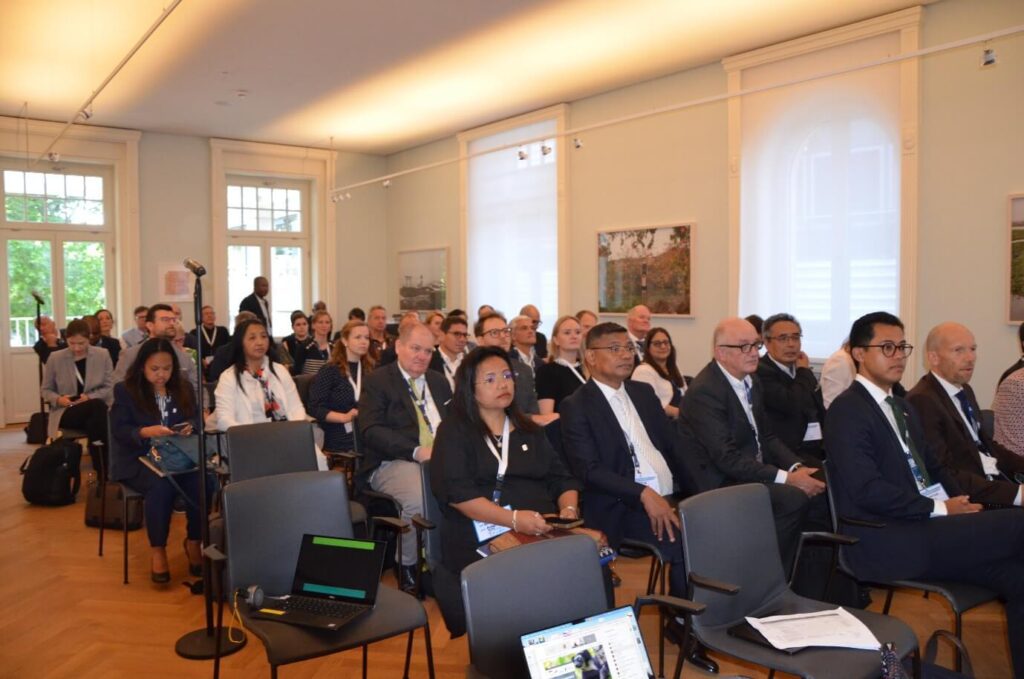
The program offered a comprehensive overview of challenges and opportunities. Opening remarks were delivered by Stefan Zeeb (KfW Director), Bruno Rajaspera (FAPBM Board Chair), Silvia Morgenroth (BMZ), and Max Andonirina Fontaine (Minister of Environment and Sustainable Development, Madagascar), highlighting the convergence of political will.
The morning was dedicated to assessments: a biodiversity overview by Russell Mittermeier, the policy framework by Minister Fontaine, and an overview of the protected area network by Ony Rakotoarisoa, Director General of Madagascar National Parks. Christoph Weigl of McKinsey then presented a study on financial needs and current funding gaps.
The afternoon explored concrete solutions. Rija Ranaivoarison, FAPBM Executive Director, presented the Foundation’s financial vehicles: Endowment Fund, Accelerator Fund, Fire Emergency Fund, and Community Fund. Other speakers — Ludwig Liagre of Rio Impact, Katie Zdilla and Nanie Ratsifandrihamanana of WWF, and Emmanuel Cotsoyannis of Miarakap — shared their experiences with innovative mechanisms: carbon credits, biodiversity credits, and green bonds.
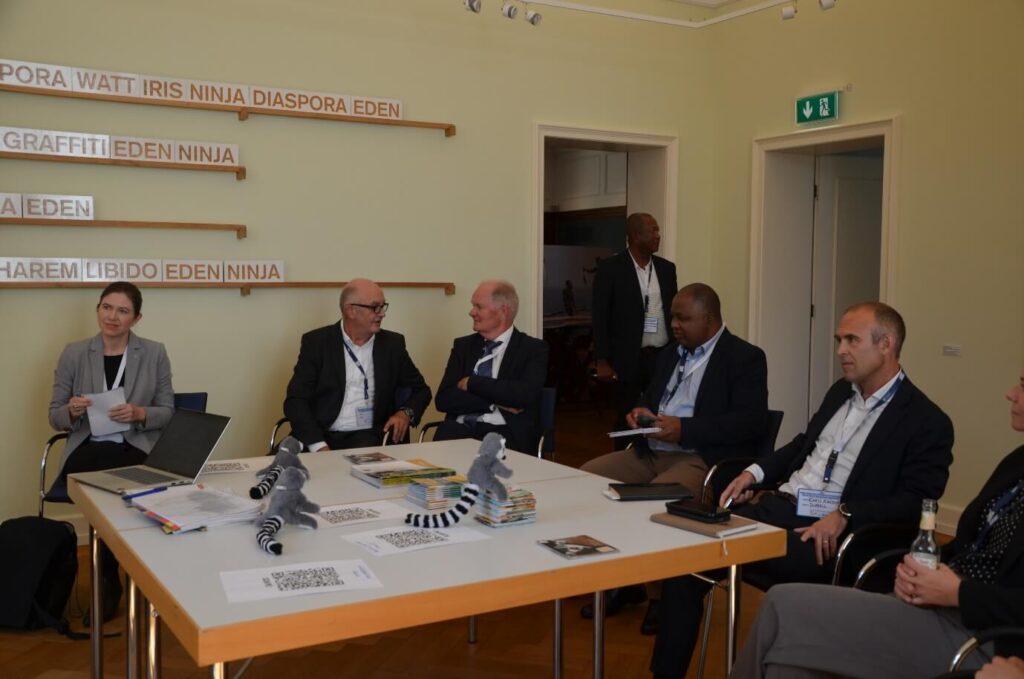
The day concluded with working group discussions on priority themes: combating deforestation, strategic coalitions, community empowerment, and experience sharing. These exchanges paved the way for bilateral meetings to forge or strengthen partnerships.
FAPBM: twenty years of expertise at the core
The roundtable spotlighted FAPBM’s catalytic role in conservation financing. Its model is built on an endowment fund whose resources are prudently invested to generate sustainable returns, redistributed to protected area managers. This mechanism transforms one-off funding into lasting financial flows, strengthening the stability and effectiveness of conservation efforts.
Today, FAPBM manages USD 157 million and generates an average of over USD 7 million in annual revenue, of which approximately USD 6 million is allocated directly to protected area funding. Through these sustainable resources, FAPBM supports 75 protected areas across the country. Beyond the numbers, the impact on the ground is tangible: millions of square kilometers protected, thousands of jobs created, thousands of communities supported, and millions of indirect beneficiaries.
The Foundation has diversified its financial instruments to meet every need. This capacity for innovation makes it a credible platform for receiving new funding. Speakers highlighted the quality of its governance and its rigorous monitoring and evaluation system. The supported projects and programs illustrate the breadth of its action, from the eastern forests to the southwestern reefs.

Concrete prospects for the future
The roundtable opened tangible prospects. Networking opportunities enabled bilateral discussions on specific opportunities, with significant amounts potentially transforming conservation financing.
Philanthropic foundations expressed interest in long-term mechanisms, with several indicating their willingness to contribute to the endowment fund. Donors reaffirmed their commitment, with Germany confirming its long-term support. Financial institutions explored blended finance mechanisms to mobilize private capital. The private sector expressed a willingness to invest in projects with measurable impact.
Beyond financial commitments, the roundtable strengthened the international support network. Participants left with a deeper understanding of the issues and valuable contacts. Several have already planned missions to Madagascar.
Turning momentum into action
In closing, Bruno Rajaspera and Verena Seiler (KfW) called for turning discussions into concrete actions. Only actual financial flows will guarantee the lasting protection of protected areas.
The path forward is clear: diversify funding sources, innovate financing mechanisms, strengthen coordination, and position FAPBM at the center as a credible platform. FAPBM’s strategic plan aligns with this vision, setting ambitious mobilization targets.
Madagascar holds major assets: exceptional biodiversity, an expanding protected area network, skilled local stakeholders, a recognized foundation, and growing international mobilization. The roundtable demonstrated that this mobilization can translate into concrete commitments.
By bringing together such diverse and influential actors in Frankfurt, FAPBM and KfW sent a powerful message. Sustainable financing is not merely a technical matter — it is a moral imperative and a collective responsibility. It is also a unique opportunity to protect one of the planet’s most precious natural treasures.
The roundtable reminded us that we have the means to prevent the worst — provided we turn words into action. This has been FAPBM’s purpose for twenty years, and the reason it will continue to play a central role in building a sustainable future for Madagascar.