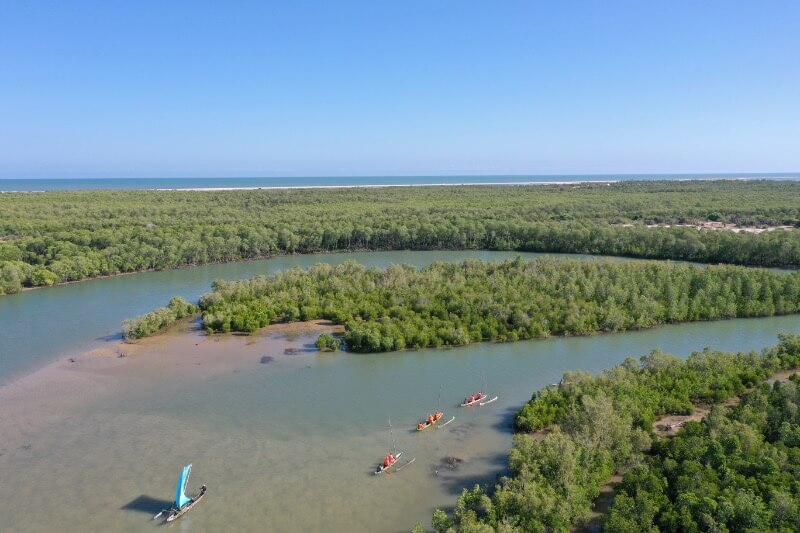
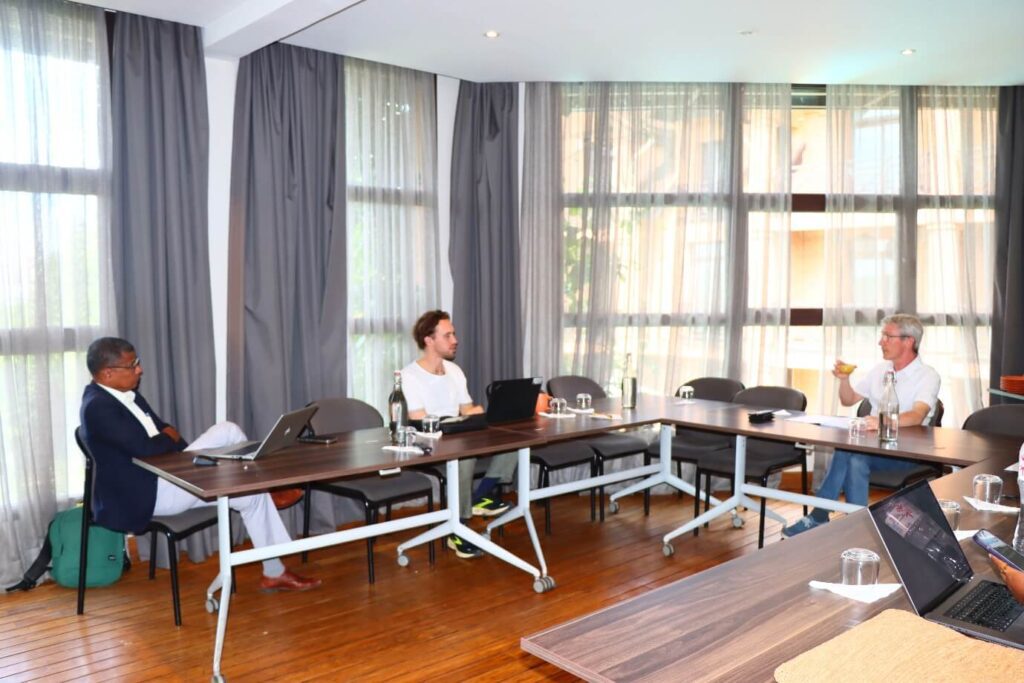
At the 11th Our Ocean Conference, June 16–18, 2026 in Mombasa, Kenya, WWF Madagascar launched the Marine Biodiversity and Community Resilience Facility (MCRF). This USD 11 million blended finance structure marks a transformative shift across the Southwest Indian Ocean (SWIO), connecting international finance directly with local community stewardship and moving away from traditional grant dependency. Building on a deep history of collaboration, WWF Madagascar and FAPBM1 have joined forces on the design and implementation of the facility—a partnership that will remain foundational as MCRF moves into operation. In this context, FAPBM, as the national Conservation Trust Fund (CTF), plays a dual role in co-designing and supporting the implementation of long-term financing mechanisms for marine conservation in Madagascar, ensuring alignment with the national conservation finance architecture. Empowering Coastal Communities as Chief Stewards of Nature Coastal communities are the primary guardians of marine ecosystems, proving locally led governance that delivers lasting conservation. …
WWF launches a new facility to unlock long-term finance for coastal communities