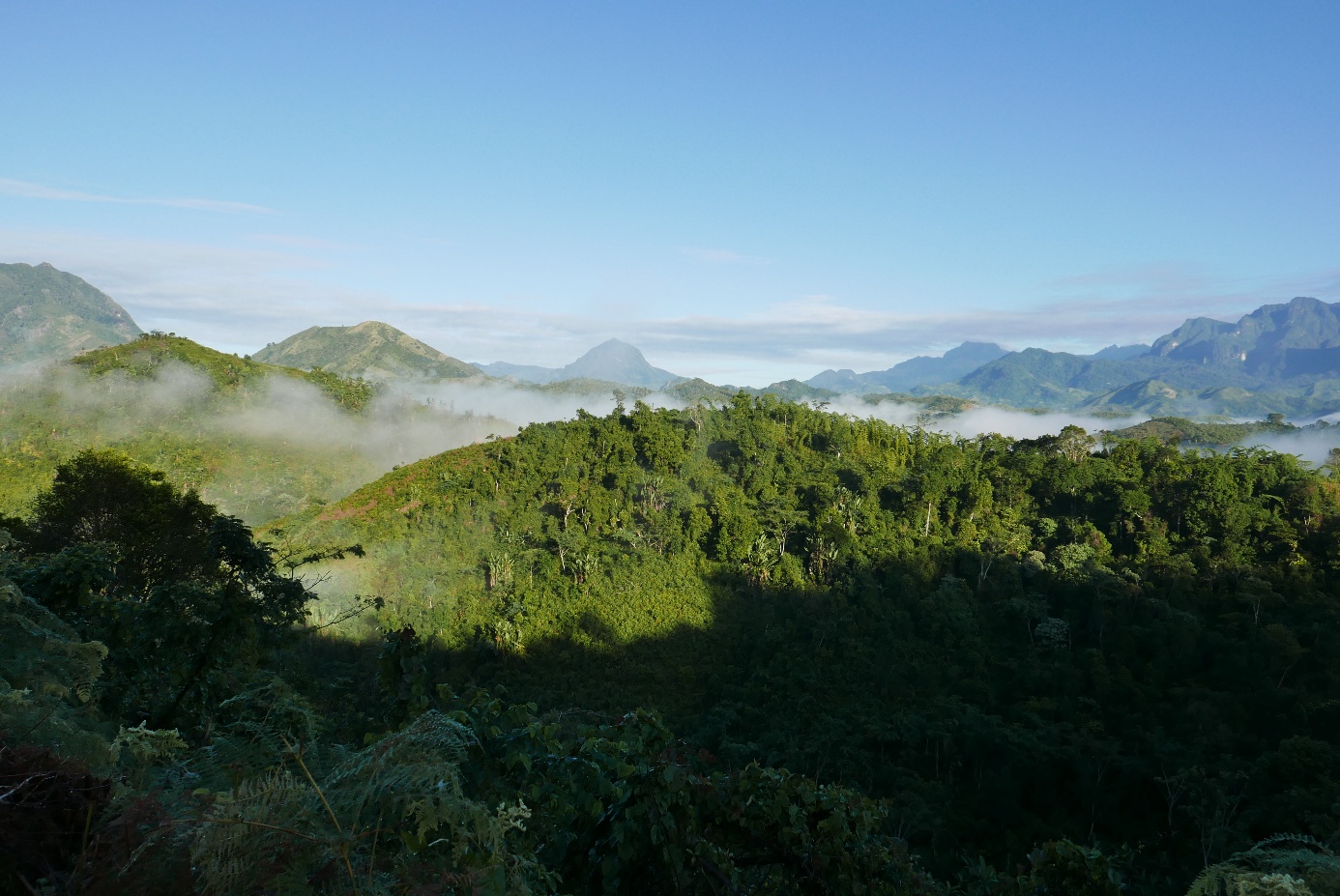
Madagascar has reached a major milestone in safeguarding its natural heritage. With the establishment of 21 new protected areas (see list in the appendix), nearly 1.82 million hectares of exceptional landscapes in the Diana, Itasy, Analanjirofo and Atsimo-Andrefana regions are now under temporary protection.
Beyond an administrative decision, this represents a strong commitment to a future where nature, communities and development move forwards hand in hand.
An expanding network of protected areas
With this expansion of the national protected area network, Madagascar now has 146 protected areas covering approximately 8.88 million hectares, confirming the central role of natural capital in the country’s environmental priorities.
This progress brings the country closer to the global 30×30 target, established under the Kunning-Montreal Global Biodiversity Framework, which aims to effectively protect 30% of terrestrial, coastal, marine and inland water areas by 2030.
But this ambition is about more than number of hectares under protection. It reflects a broader vision : safeguarding the ecosystems that sustain life, strengthen resilience to climate change and secure essential resources for present and future generations.
Natural spaces at the heart of life
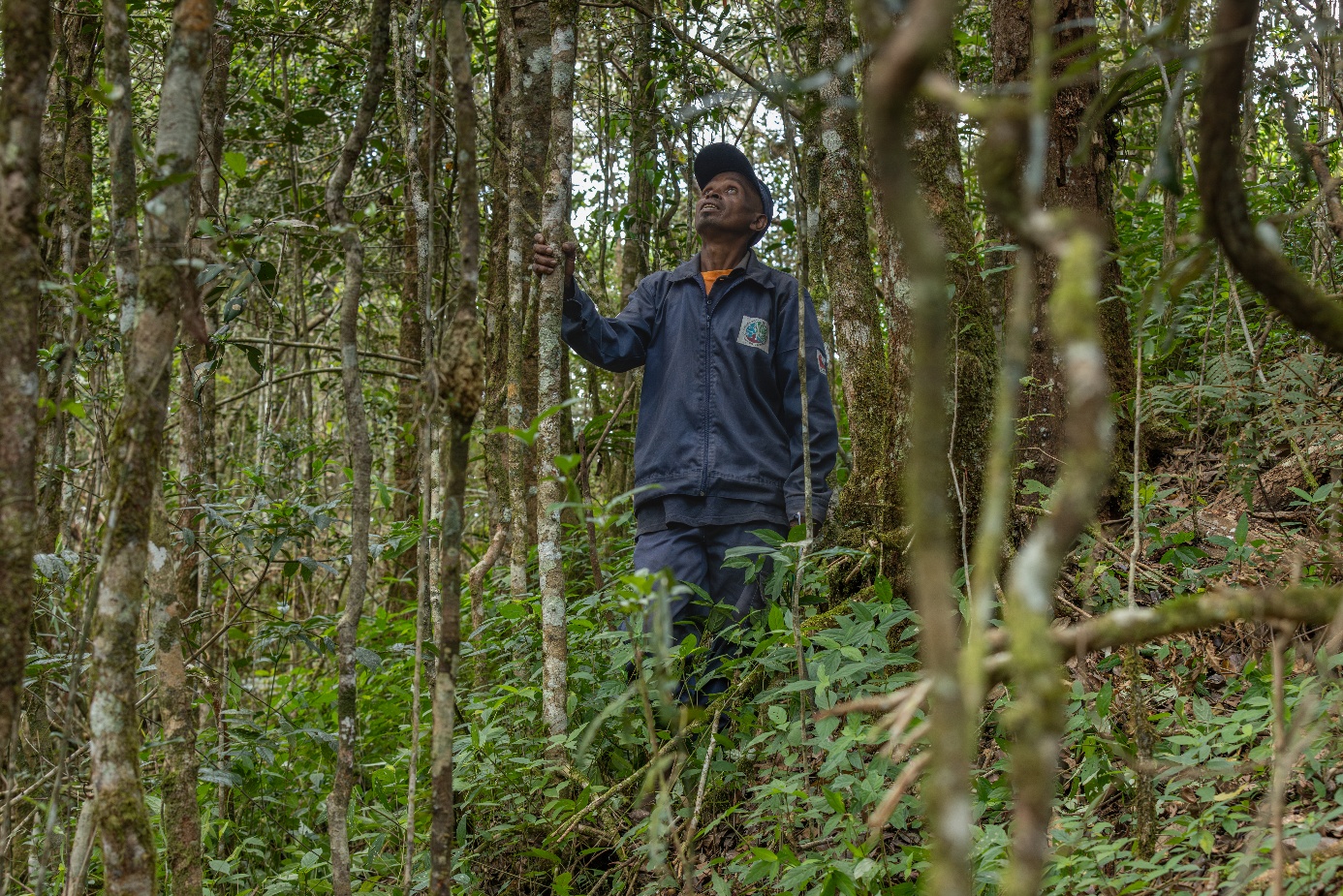
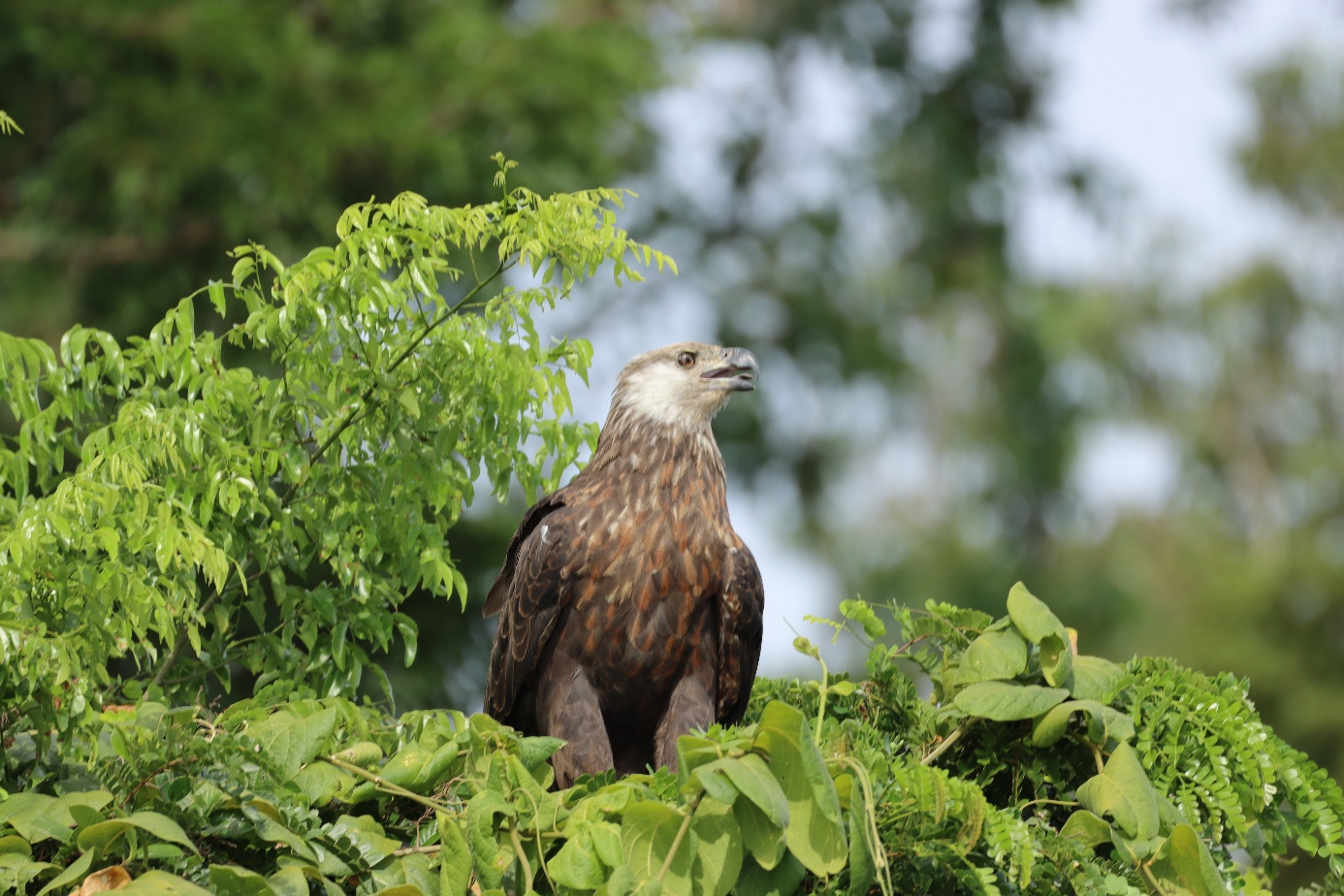
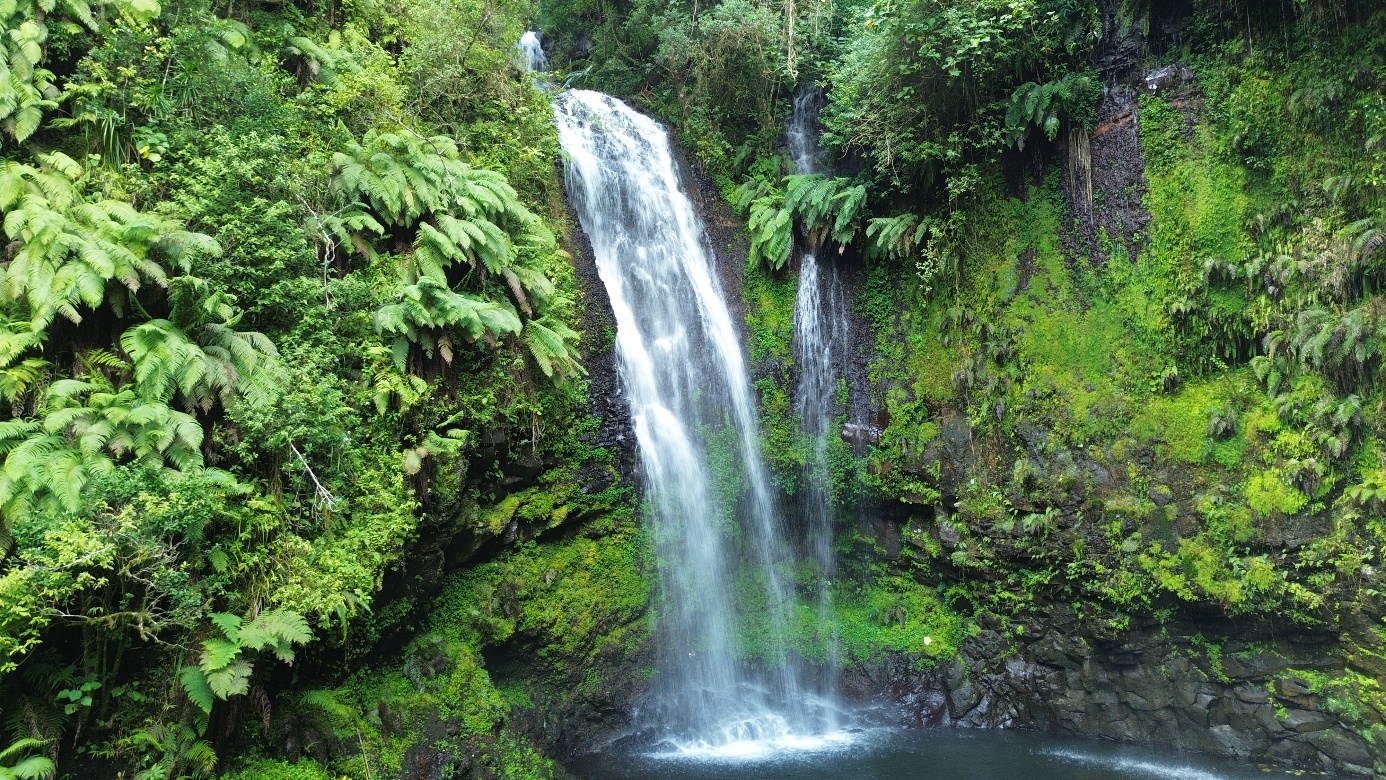
These new protected areas are home to exceptional biodiversity, including endemic species and habitats among the most remarkable in the world. They also play an essential role in protecting watersheds, preserving water resources, storing carbon, protecting soil and sustaining activities on which many communities depend.
In a context marked by the impacts of climate change and growing pressure on natural resources, protecting these territories also means investing in food security, territorial resilience and the well-being of communities.
FAPBM : supporting sustainable conservation
Protection is one step ; securing sustainable funding is another. The creation of new protected areas represents a historic achievement, but it also increases the need for funding to ensure effective long-term management. Without sustainable resources, conservation objectives cannot be fully achieved. Mobilising the State, technical and financial partners, the private sector and innovative nature finance mechanisms will be crucial to turning this national ambition into lasting results.
Today, 75 of Madagascar’s 146 protected areas benefit from financial support from FAPBM. Through its trust fund model, FAPBM helps secure the resources needed to manage ecosystems, protect biodiversity and support neighbouring communities.
Its commitment helps make protected areas much more than spaces dedicated to conservation : they become genuine drivers of sustainable development, climate resilience and the responsible use of Madagascar’s natural capital.
Protected areas are also engines of development. When effectively managed, they help secure water resources, support agriculture, develop ecotourism, create local employment, generate income for communities and strengthen resilience to climate change. Investing in their management therefore means investing in Madagascar’s economic and social future.
Investing in Madagascar’s natural capital
The expansion of the national area network is a reminder of a simple truth : protecting biodiversity is not a barrier to development ; it is a condition for its long-term sustainability.
By strengthening its network of protected areas, Madagascar is reaffirming its commitment to a model in which its natural wealth is recognised as a living capital, essential to its people, its economy and the country’s future.
Because protecting nature today means creating greater opportunities for tomorrow’s generations.
Appendix: list of the 21 new protected areas
| No. | Protected area | Manager | Area | Region |
|---|---|---|---|---|
| 01 | Miarinarivo II | Planet Urgence | 6,025 ha | Itasy |
| 02 | Vohimana | ONG L’homme et l’environnement | 1,546 ha | Alaotra Mangoro |
| 03 | Arivonimamo II | Planet Urgence | 10,371 ha | Itasy |
| 04 | Vezo | Sage Fampandrosoana Maharitra | 12,507 ha | Atsimo Andrefana |
| 05 | Baie de Diego | ONG MADA | 18,346 ha | Diana |
| 06 | Mikea Mitambatra | Sage Fampandrosoana Maharitra | 31,880 ha | Atsimo Andrefana |
| 07 | Efatsy Manombo | GERP | 4,697 ha | Atsimo Andrefana |
| 08 | Sorkay | ONG Gret | 265,000 ha | Analanjirofo |
| 09 | Lovasoa | Sage Fampandrosoana Maharitra | 30,503 ha | Atsimo Andrefana |
| 10 | Beampingaratsy | Nitidae | 112,292 ha | Anosy |
| 11 | Bobaomby | Madagasikara Voakajy | 35,638.629 ha | Diana |
| 12 | Madiromirafy | Impact Madagascar | 230,906 ha | Boeny et Betsiboka |
| 13 | Loharano | Sage Fampandrosoana Maharitra | 14,039 ha | Atsimo Andrefana |
| 14 | Agnalamahasoa | Sage Fampandrosoana Maharitra | 20,217 ha | Atsimo Andrefana |
| 15 | Mer d’Émeraude | ONG MADA | 4,137 ha | Diana |
| 16 | Mangiho | Lemuria Land Nosy-Be NB SARLU | 76 ha | Diana |
| 17 | Analamaintso | SAGE | 21,075 ha | Atsimo Andrefana |
| 18 | Massif Makay | MEDD | 4,000 km² | Atsimo Andrefana et Menabe |
| 19 | Tahiry | Sage Fampandrosoana Maharitra | 6,477.26 ha | Atsimo Andrefana |
| 20 | Ria Androy / Atimo Vatae | WCS | 772,199 ha | Androy |
| 21 | Antampon’Andrafiamena | — | 101 ha | Sofia |