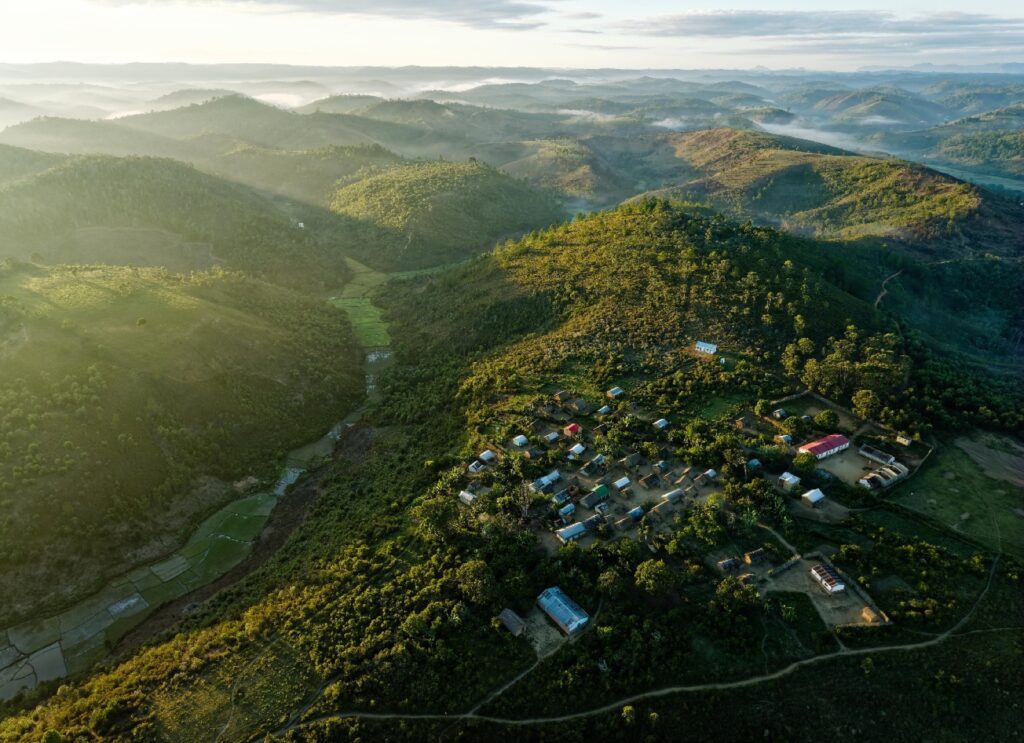
Madagascar is home to biodiversity found nowhere else: more than 80% of its species are endemic, its forests regulate watersheds, its soils feed millions of families and its marine ecosystems sustain coastal fisheries. For a long time, this wealth was seen as a heritage to be protected ‘on the margins’ of the economy, almost in opposition to development. A paradigm shift is now under way: nature is no longer viewed as a constraint, but as a strategic economic asset. Yet this shift raises a fundamental question: what happens when this asset deteriorates and, above all, who actually bears the cost? Understanding this turning point means grasping one of the most decisive challenges for the country’s future. What do we mean by ‘natural capital’? Natural capital refers to all the resources and ecosystems that provide services essential to life and to the economy: fresh water, fertile soils, forests, mangroves, reefs, pollination …
Natural capital, a strategic asset for Madagascar’s economy: a paradigm shift under way