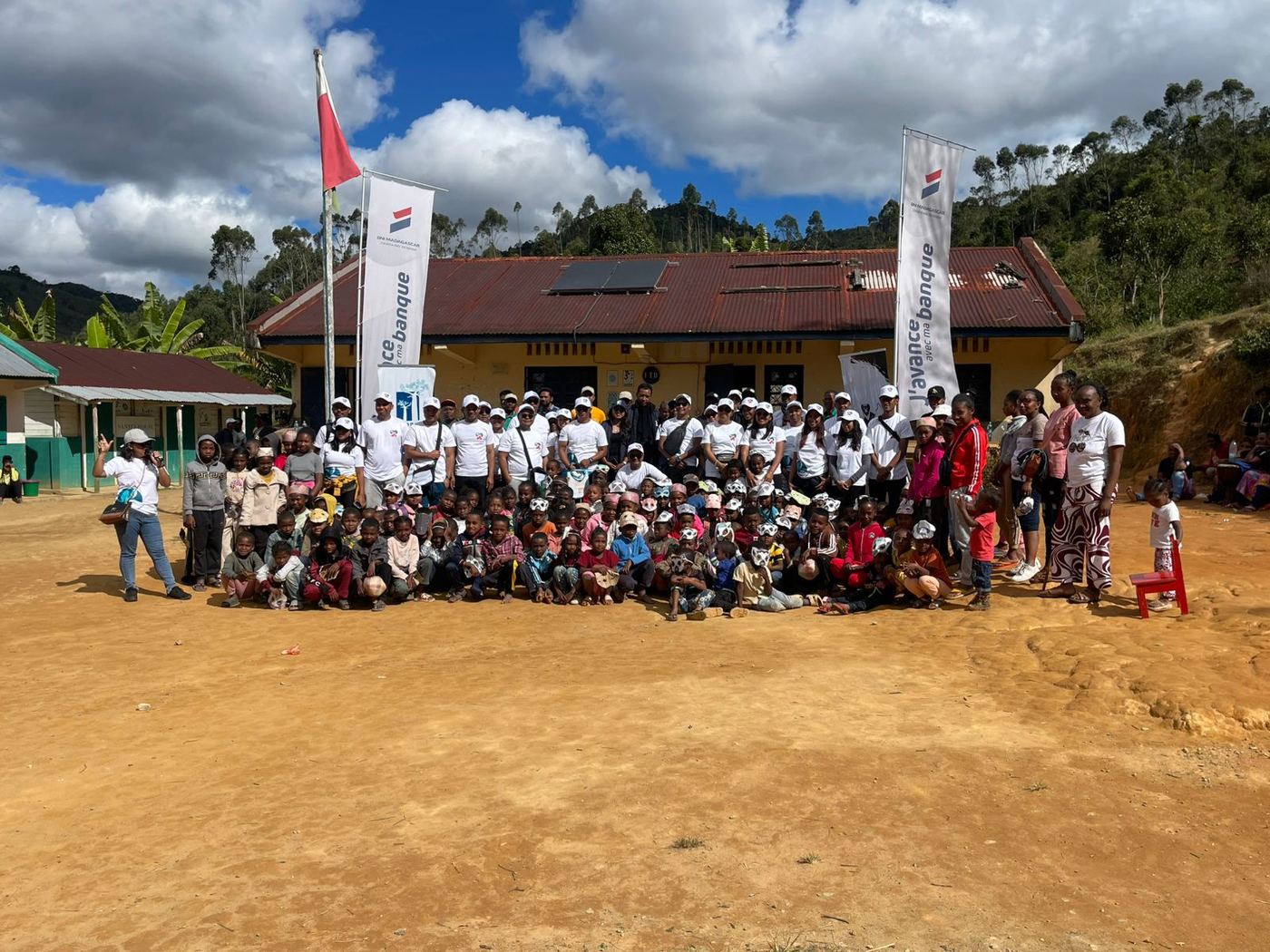
How can a financial commitment be turned into tangible results for biodiversity? In Maromizaha, the partnership between BNI Madagascar, Madagascar Protected Areas and Biodiversity Fund (FAPBM) and the Madagascar Primate Study and Research Group (GERP) is delivering results that can be seen directly on the ground: the restoration of degraded forest areas, the maintenance of plantations, the production of seedlings and the involvement of local communities.
On 3 and 4 July 2026, a delegation from BNI Madagascar visited the Maromizaha Protected Area in the Alaotra-Mangoro region to assess the results of the initiatives supported since 2023 and to discuss matters with the stakeholders implementing them.
This field mission provided an opportunity to look back on several years of collaboration and to demonstrate in practical terms what a partnership between the private sector, a conservation financing mechanism, a protected area manager and local communities can achieve.
FAPBM was represented by a delegation comprising representatives from Support Operations, the Communications and Advocacy Department, and the Wetlands Ecoregion.
Maromizaha : restoring the forest, preserving an exceptional heritage
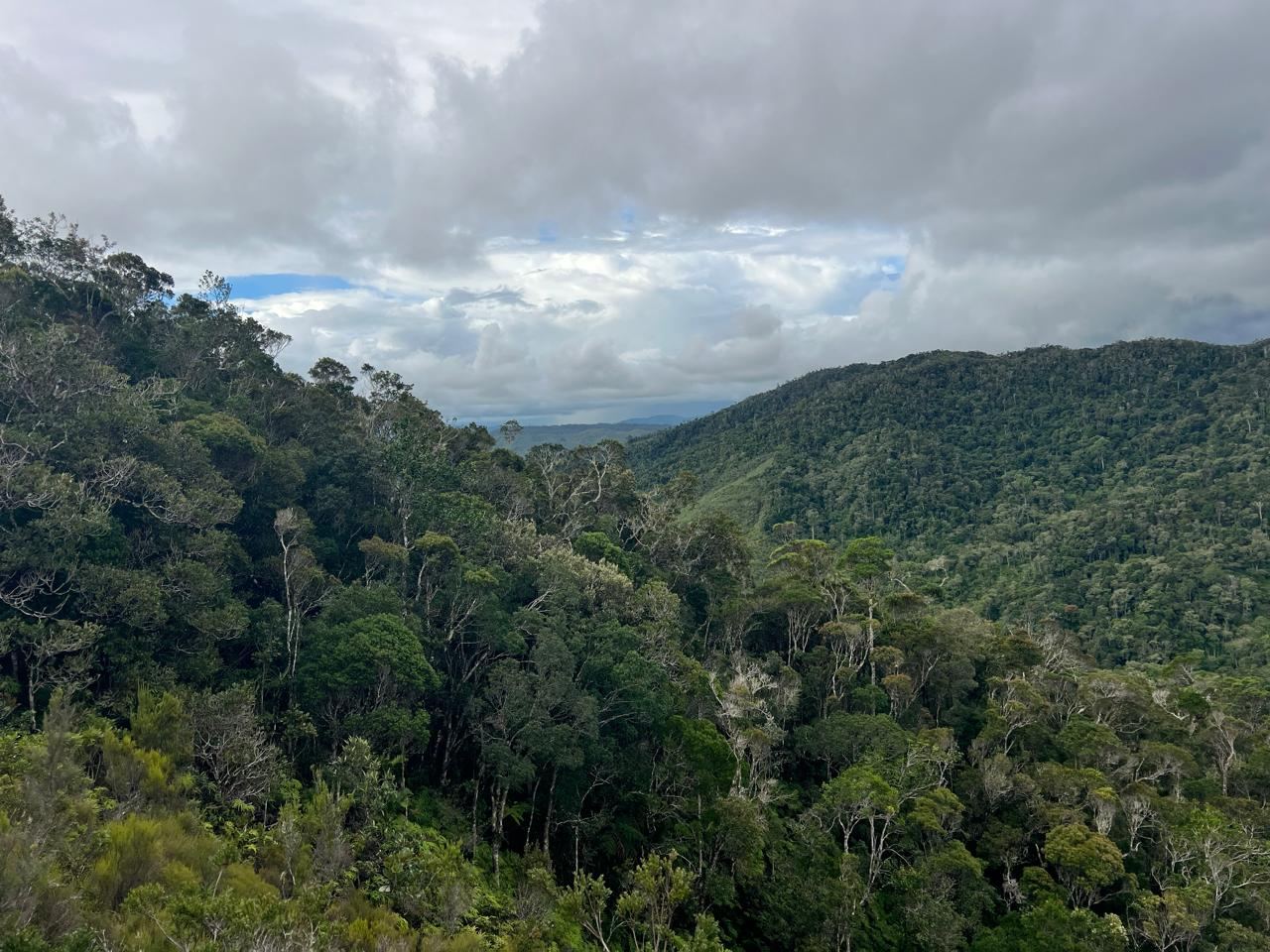
Located in the Alaotra-Mangoro region, the Maromizaha Protected Area is an important site for the conservation of Madagascar’s biodiversity.
Managed by the GERP and supported by FAPBM since 2015, through cumulative grants totalling over 899 million Ariary, the protected area is home to a dense rainforest characterised by a floristic endemism rate of 88 per cent.
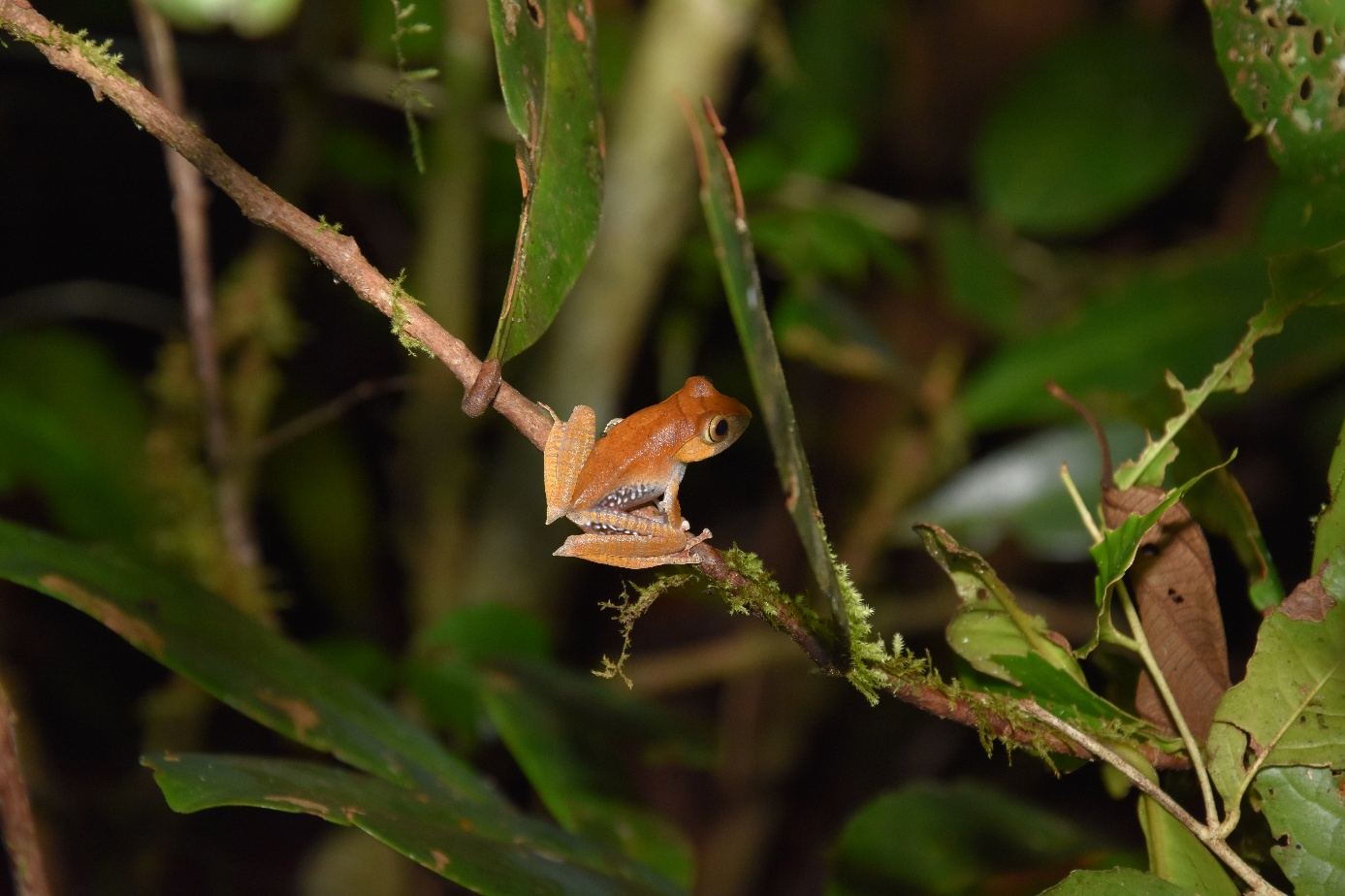
In particular, it is home to several species that are emblematic of Madagascar’s biodiversity, including the indri indri, or babakoto, the Propithecus diadema and the aye-aye.
However, like many of Madagascar’s forest ecosystems, Maromizaha has faced pressures linked in particular to tavy and habitat degradation.
Forest restoration is therefore a key challenge in maintaining the site’s ecological functions and strengthening its long-term resilience.
Since 2019, Maromizaha has been designated a ‘zero-fire’ site. This achievement is largely due to efforts in monitoring, community engagement and the management of pressures on the protected area.
A partnership established in 2023
It was against this backdrop that BNI Madagascar and FAPBM signed, in September 2023, an initial funding agreement dedicated to the ecological restoration of Maromizaha.
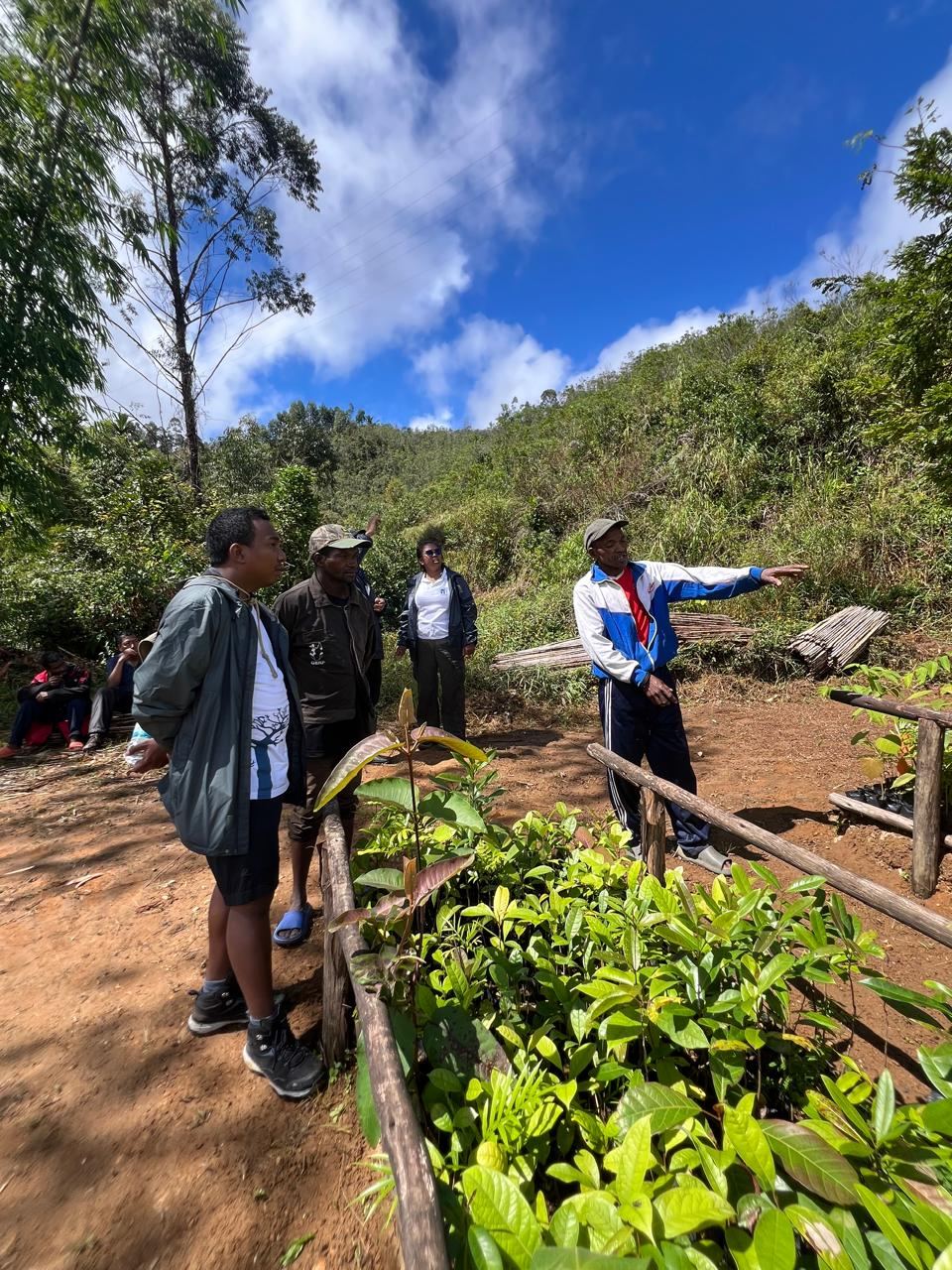
This initial contribution helped to support, in particular, the maintenance and monitoring of restoration plots, the production of seedlings, the rehabilitation of nurseries and capacity-building for local stakeholders. Restoration activities were focused on degraded areas identified as priorities. These initiatives build on the forest restoration programme carried out in Maromizaha using the TAMS (Tetik’Asa Mampody Savoka) approach, which had already restored 62 hectares of degraded land between 2016 and 2019, spread across six plots.
Since the start of BNI–FAPBM partnership, more than 68,000 native seedlings have been produced, including 50,000 in 2023 and 18,000 in 2025. These seedlings are used for restoration and replanting work on the four plots being monitored, covering approximately 37 hectares, as the remaining two plots are already covered in vegetation. Under this model, the responsibilities are complementary: the FAPBM is responsible for the financial management of the fund and for monitoring the impacts, whilst the GERP is responsible for the technical implementation of activities on the ground.
This scheme therefore makes it possible to convert a financial contribution into directly measurable actions: the production of seedlings, restoration, the maintenance of plots and the monitoring of plantations.
For BNI Madagascar, this collaboration reflects a commitment to enhancing its environmental and social impact by drawing on the expertise of FAPBM and GERP, particularly to support the protection of protected areas, the restoration of ecosystems and the conservation of endemic and indigenous species.
Fully involved communities
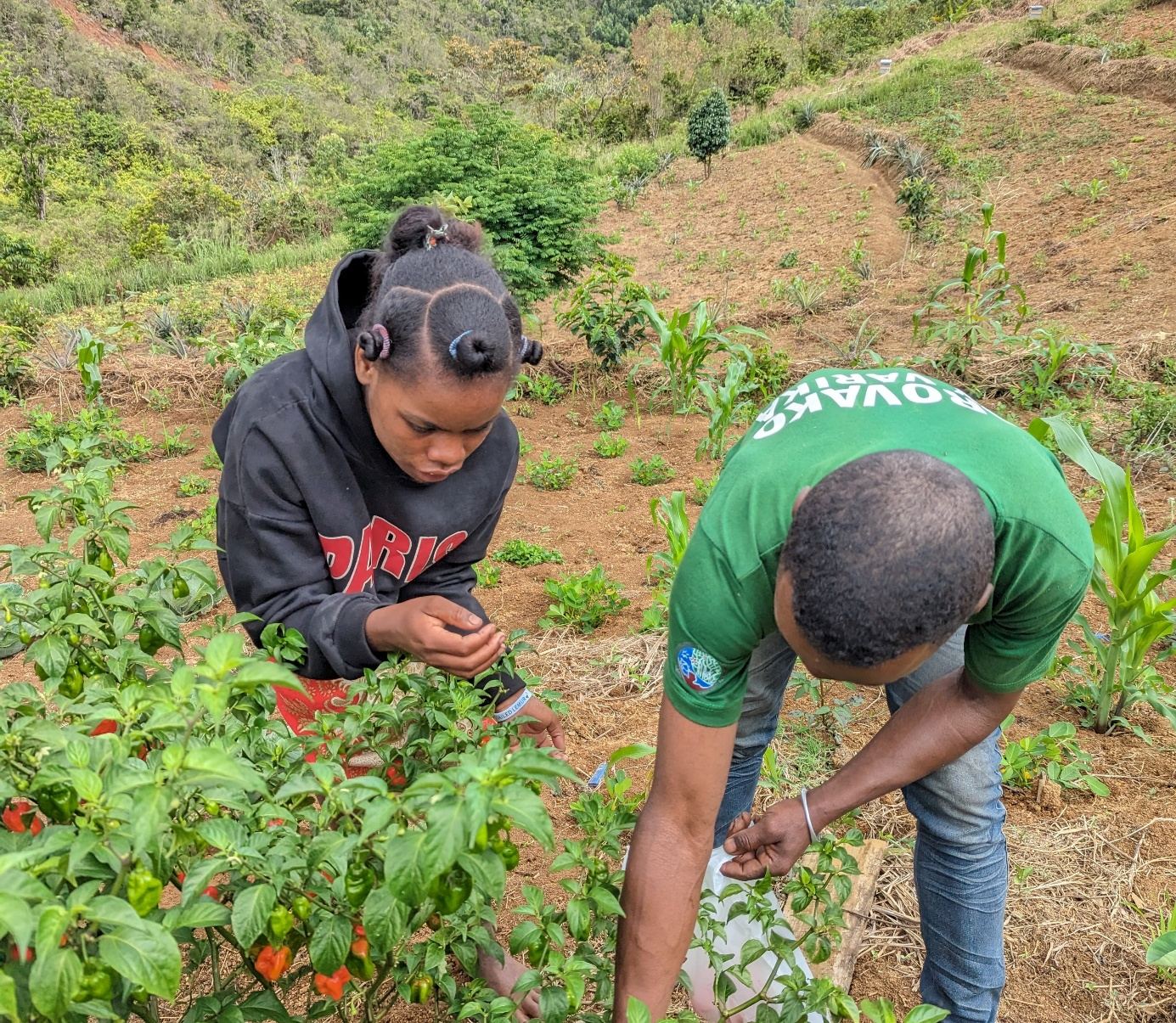
The involvement of local communities is a key element of the scheme.
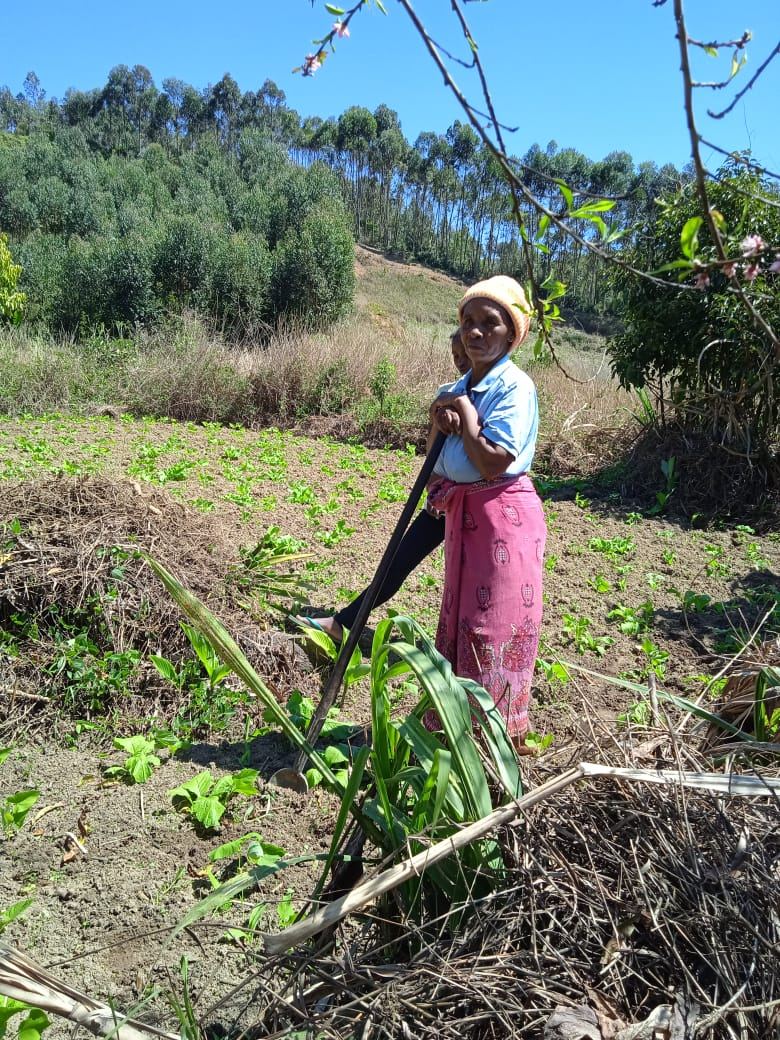
Residents of the riverside villages are involved in the various stages of the restoration work, particularly through the nurseries, planting, and the maintenance and monitoring of the plots. Nursery workers from the local communities have therefore been trained to help with the production and maintenance of the seedlings.
This involvement helps to align restoration efforts with local realities and gradually strengthen local communities’ ownership of conservation initiatives.
The partnership also has a social dimension through its support for education.
In 2023, 360 pupils received school kits and had their school fees covered. In 2025, school fees were covered for 336 pupils. This support helps to ease the financial burden on households at the start of the school year and illustrates the social dimension of the partnership centred on Maromizaha.
2025: moving from one-off funding to long-term collaboration
The collaboration reached a new milestone in 2025 with the signing of a five-year framework partnership agreement between BNI Madagascar and FAPBM.
This new agreement provides for financial support of 60 million Ariary to assist with the restoration and sustainable management of protected areas. It also broadens the scope of the collaboration: beyond Maromizaha, BNI Madagascar can now support the Ambohitr’Antsingy – Montagne des Français Protected Harmonious Landscape, in the Diana region.
In Maromizaha, this new phase of collaboration has enabled the efforts begun in 2023 to continue. Maintenance and monitoring of plantations, replanting, brush clearing, ecological maintenance, the production of new seedlings and forest regeneration initiatives have thus complemented the initial operations.
Capacity-building for grassroots communities (COBA) is also a key component of this approach, with a view to ensuring that restoration efforts are part of a local and sustainable process.
In total, nearly 68,000 trees have been planted since the partnership began in 2023.
On the ground, measuring the partnership’s impact
On 3 and 4 July 2026, the BNI Madagascar mission to Maromizaha helped to give a tangible dimension to these results.
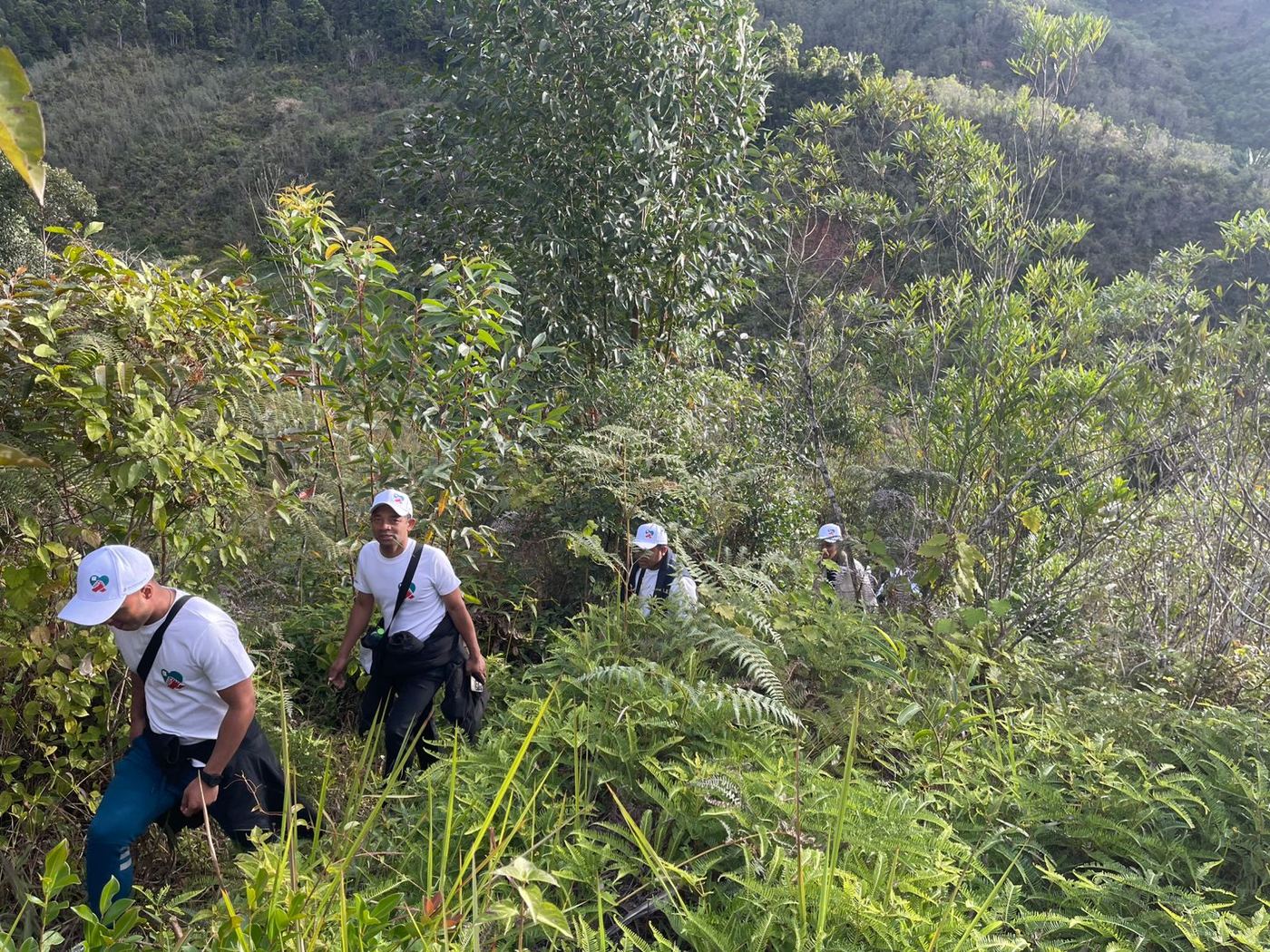
The delegation was able to visit the restoration sites, talk to the GERP teams and meet the communities involved in the activities. These discussions provided a better understanding of the efforts required to ensure the survival and growth of the plantations beyond the time of planting.
The mission also provided an opportunity to document the results and gather testimonies from those directly involved in the management and restoration of the site.
This immersive experience serves as a reminder of a fundamental truth: forest restoration is about more than just the number of trees planted. It relies on ongoing work involving maintenance, monitoring, regeneration and support for local communities.
The shift from a planting target to sustainable restoration therefore requires long-term funding and stakeholders capable of monitoring the results.
The private sector : a catalyst for conservation funding
The Maromizaha experience thus illustrates the potential for greater private-sector involvement in conservation funding.
For businesses and financial institutions, helping to preserve biodiversity can be a practical way of contributing to the protection of the natural capital on which regions and communities depend.
The partnership with BNI Madagascar thus demonstrates how private-sector involvement can support ecological restoration initiatives, build local capacity and generate social benefits for riverside communities.
For FAPBM, the key challenge is precisely to create the conditions that will enable these private commitments to deliver lasting impacts. Its role as a funding mechanism and its expertise in monitoring interventions enable it to structure these contributions and ensure they are results-oriented.
The partnership with BNI Madagascar thus demonstrates that private funding can be channelled, on the ground, into restoration work, local capacity-building and measurable outcomes for biodiversity.
From Maromizaha to other areas : building on partnerships
The results observed in Maromizaha open up broader prospects.
Ecosystem restoration requires significant and ongoing investment, whilst conservation needs far exceed the public and philanthropic resources available.
Engaging the private sector is therefore a key means of diversifying and increasing the funding allocated to conservation.
By renewing its partnership with BNI Madagascar and extending it to a second region, FAPBM is helping to demonstrate that it is possible to build long-term partnerships centred on concrete environmental objectives.
In Maromizaha, the nearly 68,000 trees planted since 2023 provide an initial tangible measure of this momentum.
But beyond the figures, the challenge is to develop a replicable model: committed businesses, a well-structured funding mechanism, managers with practical expertise, and communities that are fully involved in preserving their environment.
It is by increasing the number of such partnerships that private funding will be able to make a greater contribution to the restoration of ecosystems and, more broadly, to the preservation of Madagascar’s natural capital.