In Madagascar, safeguarding protected areas is not only about protecting species and ecosystems. It is also about preserving water sources, supporting economic activities, strengthening the resilience of communities and creating opportunities for future generations. But for that to happen, these realities have to be known, understood and shared. That is precisely what is at stake in the “Medias #ForProtectedAreas” reporting grant, whose third edition has just come to a close.
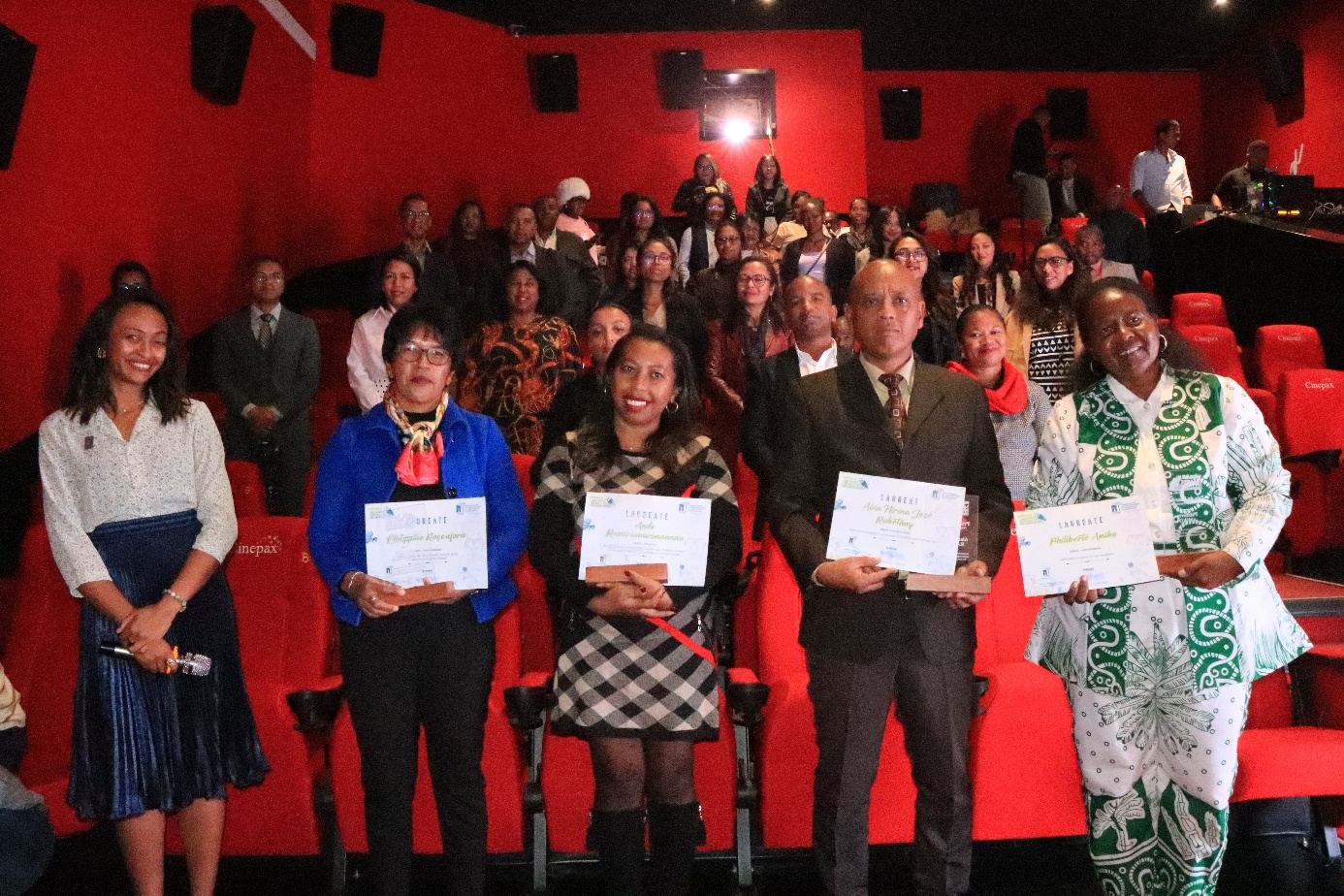
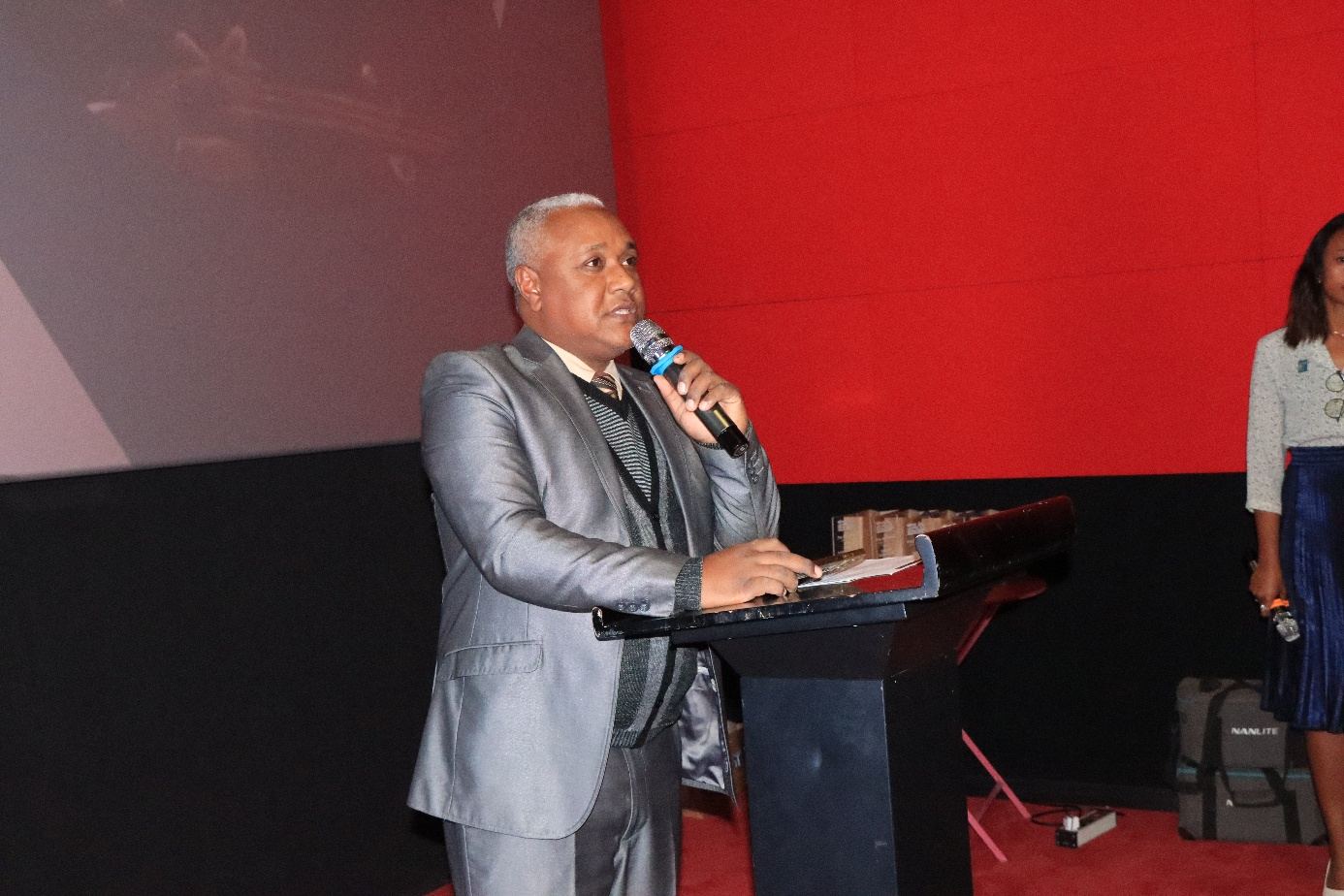
On 22 July 2026, at CINEPAX Ambodivona, four Malagasy journalists were rewarded for reports shedding light on the links between the conservation of protected areas, local development and improved living conditions for communities. The ceremony marked the close of the third edition of the “Medias #ForProtectedAreas” reporting grant, organised by the Madagascar Protected Areas and Biodiversity Fund (FAPBM) in partnership with Malagasy Brand Communication (MBC) and REMAPSEN Madagascar. It was honoured by the presence of representatives of the Ministry of Environment and Sustainable Development (MEDD) and of the Ministry of Communication and Culture.
More than an award ceremony, this third edition carries a strategic message: conservation needs stories in order to be understood, and understanding is an essential condition for collective support.
Held under the theme “20 years of financing protected areas in Madagascar: a source of life and development for communities”, this edition highlights the capacity of journalism to make the impacts of conservation visible and to bring these issues closer to the general public.
Financing conservation, but also making its impacts visible
Since it was created, FAPBM has worked to mobilise and manage sustainable financing for Madagascar’s protected areas. Experience shows, however, that funding alone, however essential it may be, is not enough to convey the value of conservation.
Conservation delivers benefits that extend well beyond the geographical boundaries of a protected area. It contributes to protecting water resources, to food security, to sustaining farming and fishing activities, to the development of tourism, to the regulation of ecosystems and to strengthening community livelihoods.
Yet these impacts can remain hard to perceive when they are not told.
This is precisely the dimension that the “Medias #ForProtectedAreas” grant seeks to strengthen: moving conservation from the abstract to the concrete, from figures to human stories, from environmental issues to the daily realities of the women and men who work every day to preserve this natural heritage.
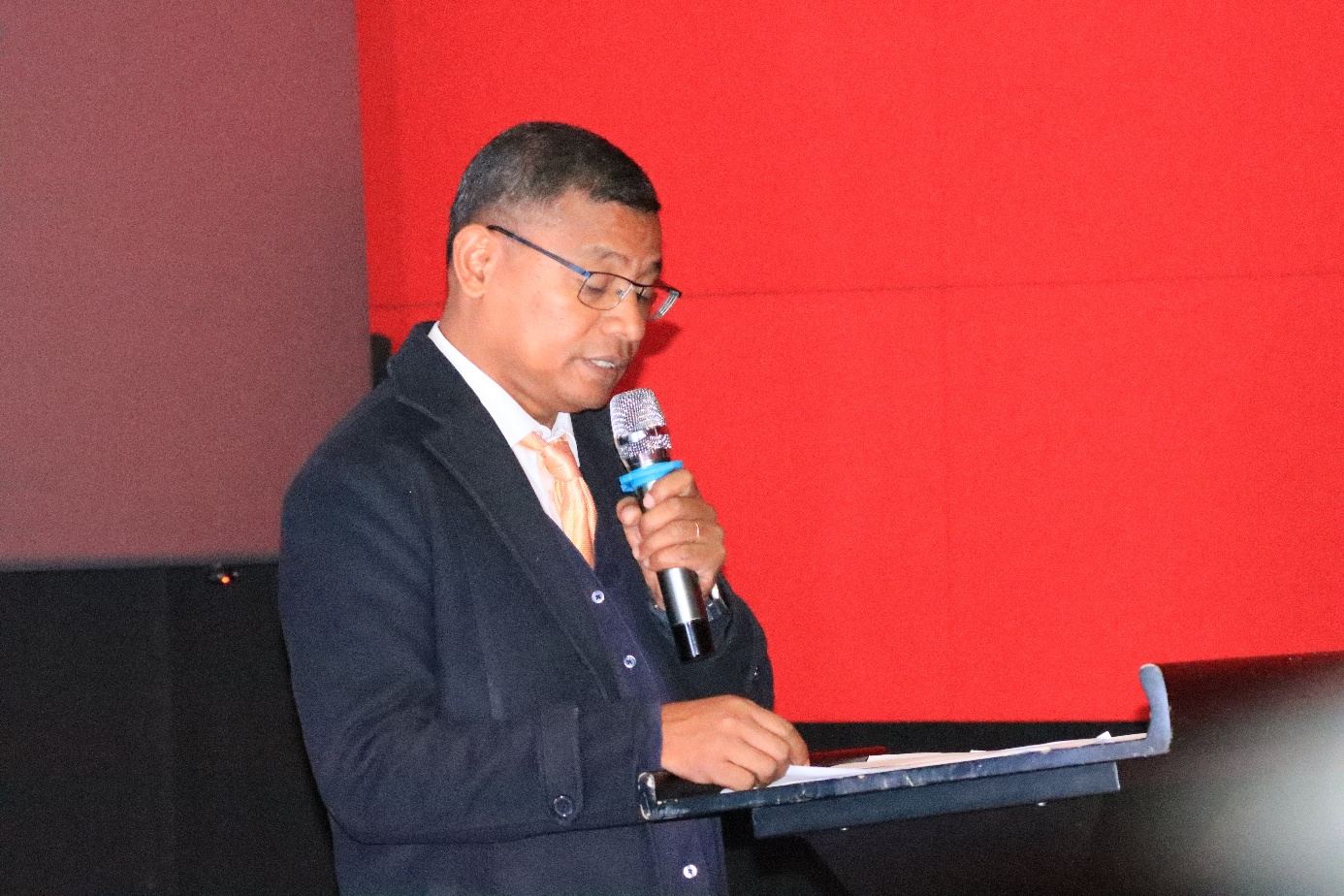
As FAPBM’s Executive Director, Dr Rija Ranaivoarison, recalled at the closing ceremony: “What we do not know is difficult to protect.
What we do not understand is difficult to defend.
And what is not told risks, in time, becoming invisible.” This conviction is the foundation of the initiative.
Raising awareness to build support
This approach is particularly important in a country such as Madagascar, whose exceptional biodiversity is a world heritage, but whose value and the services it provides remain largely unknown to the general public.
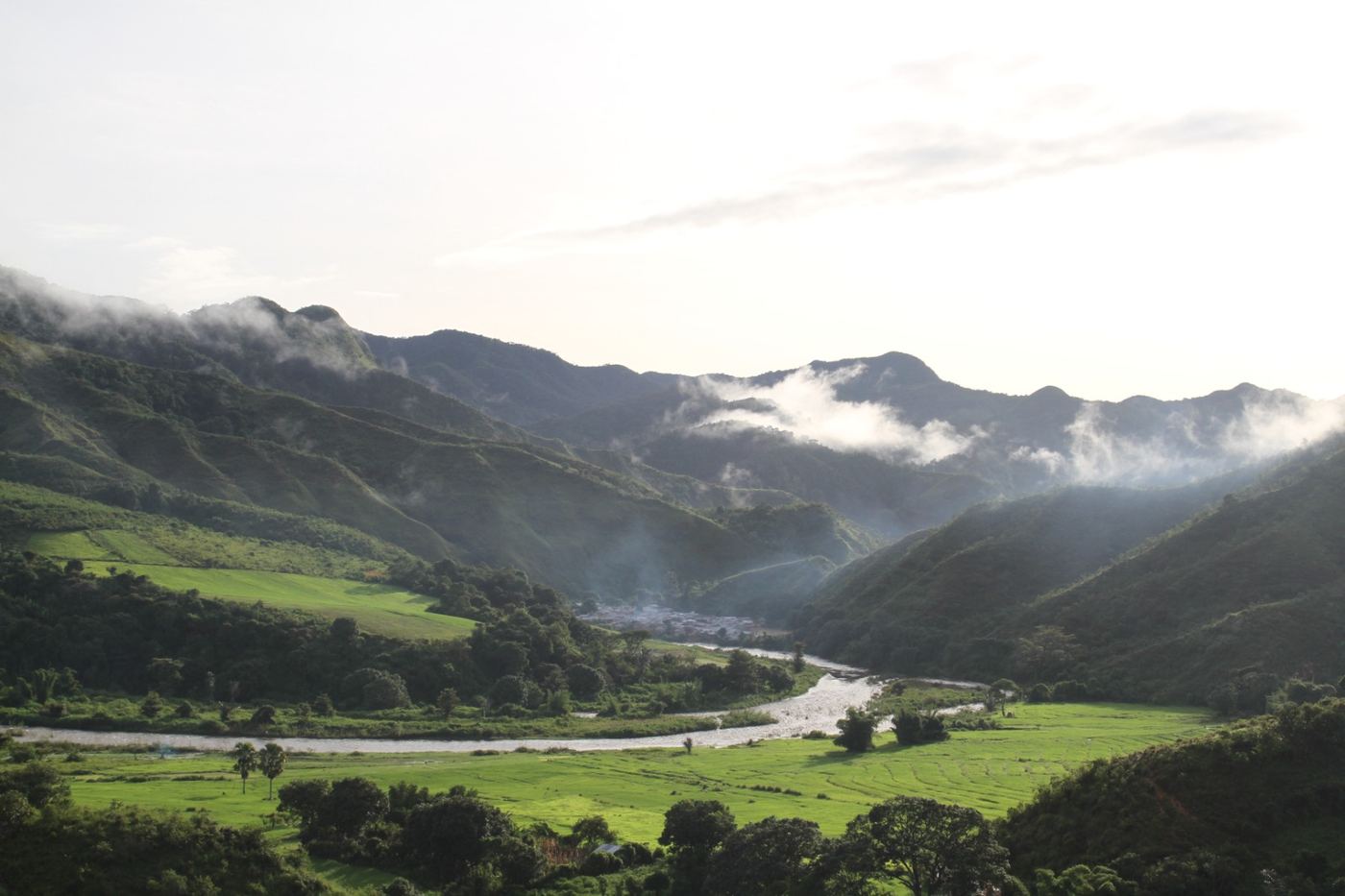
Protected areas are often perceived first and foremost through their role in protecting wildlife and plant life. Yet far from being mere natural spaces, protected areas provide essential ecosystem services: they conserve biodiversity found nowhere else in the world, with an endemism rate reaching 80%, supply drinking water, support agriculture and fishing, fuel the development of tourism, regulate the climate, and preserve cultural services such as sacred sites, scientific research and audiovisual productions. It is this wealth, still largely unknown to the general public, that the “Medias #ForProtectedAreas” competition sets out to document and make known, report after report.
An initiative gaining momentum
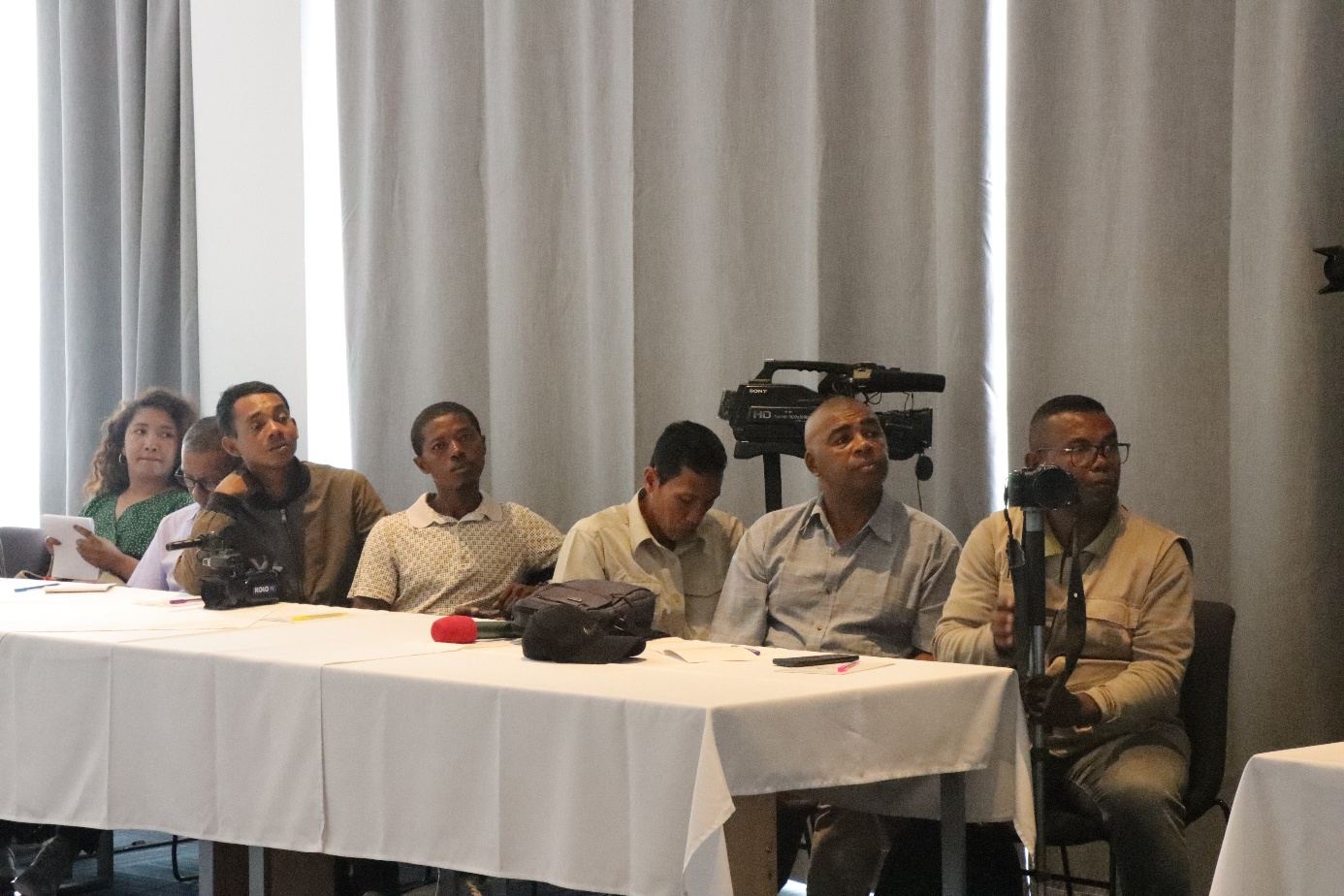
Launched in 2023 by FAPBM, the “Medias #ForProtectedAreas” journalist grant competition responded to a simple observation: the protected areas furthest from the main urban centres are also among the least covered by the media. The initiatives led there by managers and communities often remain little known, despite their importance for these territories.
Three editions on, journalists’ interest in these subjects is confirmed.
The third edition received 23 applications from six regions of Madagascar, compared with 14 in the first edition and 21 in 2024. This 64% increase since its beginnings reflects growing interest in issues relating to biodiversity, protected areas and their social and economic impacts.
For this edition, four journalists were selected, each receiving a grant of 4 million Ariary to produce a field report.
The scheme has also evolved with the introduction of a mentoring programme involving four professionals from the Malagasy media landscape. The aim goes beyond one-off funding for a report: it is also to help strengthen journalistic skills and to foster, over time, quality output on environmental issues. It is in this spirit that FAPBM regards the media as genuine partners in conservation.
Protected areas tell the story of community development
The four award-winning reports all illustrate the same reality: conservation and local development are not two opposing dynamics.
- “Andringitra, Vital Triangle: water, mountains and sacred caves in the face of climate change” — Rasoafara Philippine (radio category, Andringitra National Park): the effects of sustainable financing on tourism, local incomes and the preservation of natural resources.
- “Sunrise over Anketrevo: the rice that saves the forest” — Amiko Philiberte (radio category, Menabe Antimena New Protected Area): improved rice growing as a solution for reducing pressure on forests while strengthening food security.
- “Biodiversity and development: FAPBM’s twofold impact” — Rabetany Aina Nirina José (audiovisual category, Mahavavy-Kinkony Complex): the co-management work carried out with Asity Madagascar for biodiversity and livelihoods.
- “20 years of financing protected areas: women’s empowerment and community resilience through seaweed farming” — Randrianarimanana Ando (print category, Tsimanampesotse National Park and Nosy Ve-Androka Marine Protected Area): seaweed farming as a lever for economic empowerment and for reducing pressure on marine resources. View the advertorial
Four territories. Four approaches. Four different stories
But the same lesson: investing in conservation also means investing in the conditions that allow communities to live better with their environment. Telling these stories therefore helps to change the way conservation is viewed.
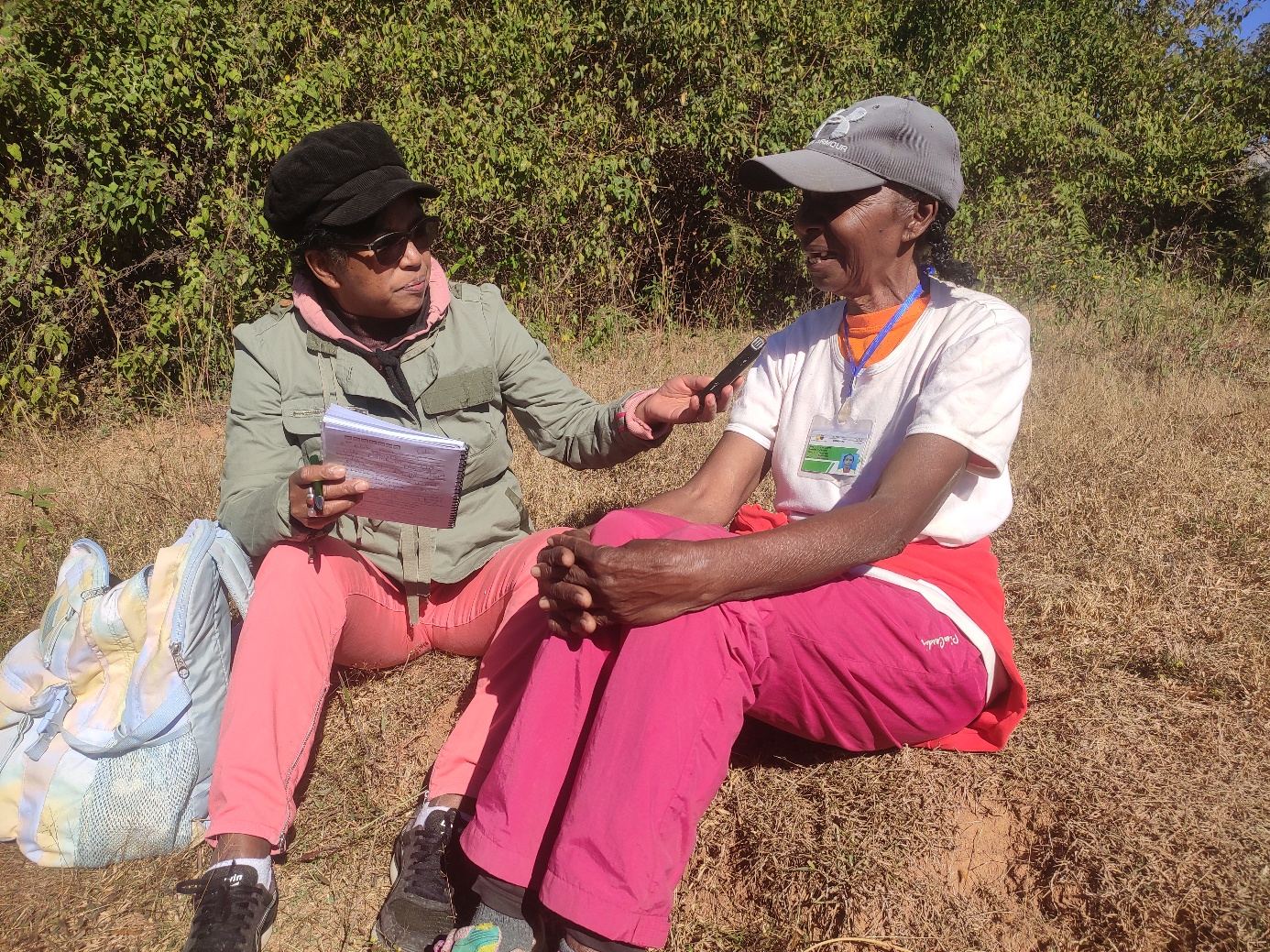
The journalist thus becomes an essential intermediary between territories, communities, conservation stakeholders and the general public. Through their fieldwork, they put a face to environmental issues, make solutions visible and help people better understand the concrete effects of the investments made.
From reporting to collective support
Through this initiative, FAPBM intends to embed communication within a broader approach to conservation.
A protected area must be financed. It must be managed effectively. But it must also be understood and recognised as a heritage that benefits people.
The stories produced by journalists contribute precisely to this chain of support. They show that behind a protected forest lie water resources; behind a wetland, livelihoods; behind a marine area, economic activities; behind an emblematic species, a natural and cultural heritage to be passed on.
This visibility matters all the more because the challenges facing Madagascar call for ever broader mobilisation: public authorities, protected area managers, communities, the private sector, technical and financial partners, and citizens too.
Conservation therefore cannot remain the business of a few specialists. It must become a cause that is understood and championed collectively.
Bringing more conservation stories to light
With this third edition of “Medias #ForProtectedAreas”, FAPBM reaffirms its determination to continue working with the media and to help improve the visibility of the work carried out in the protected areas it finances.
Each of the four award-winning reports adds a piece to a wider story: that of a form of conservation which protects biodiversity, but which also helps to create opportunities, build resilience and improve living conditions.
For we protect better what we know. And we know better what is told.
Through these stories from the field, the media help to bring Malagasy people closer to their natural heritage and to serve as a reminder of something self-evident: protecting protected areas also means investing in the women, the men, the territories and the future of Madagascar.