In the Ambohitantely Special Reserve, managed by Madagascar National Parks (MNP), certain areas are gradually changing in appearance. Where vegetation had struggled to re-establish itself, young trees are now growing. Where invasive species had been hindering regeneration, the forest is gradually regaining ground.
Since 2021, Vahatra Association has been supporting this ecological restoration initiative, with the support of various partners. Between 2025 and 2026, funding of 55,000 USD from the Hempel Foundation, channelled through FAPBM funding mechanism, has enabled this initiative to continue and be strengthened.
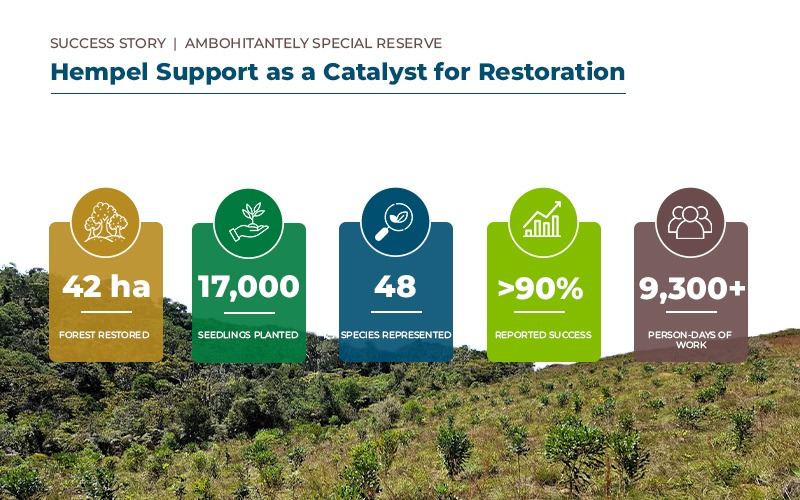
A total of 42 hectares were restored, using 17,000 seedlings representing 48 species, with a success rate of over 90%. The funding has, above all, helped to consolidate the entire chain of interventions required to restore an ecosystem within a protected area, in accordance with IUCN principles and guidelines. But at Ambohitantely, restoration is not measured solely by what has been planted.
Restoring the forest, plot by plot
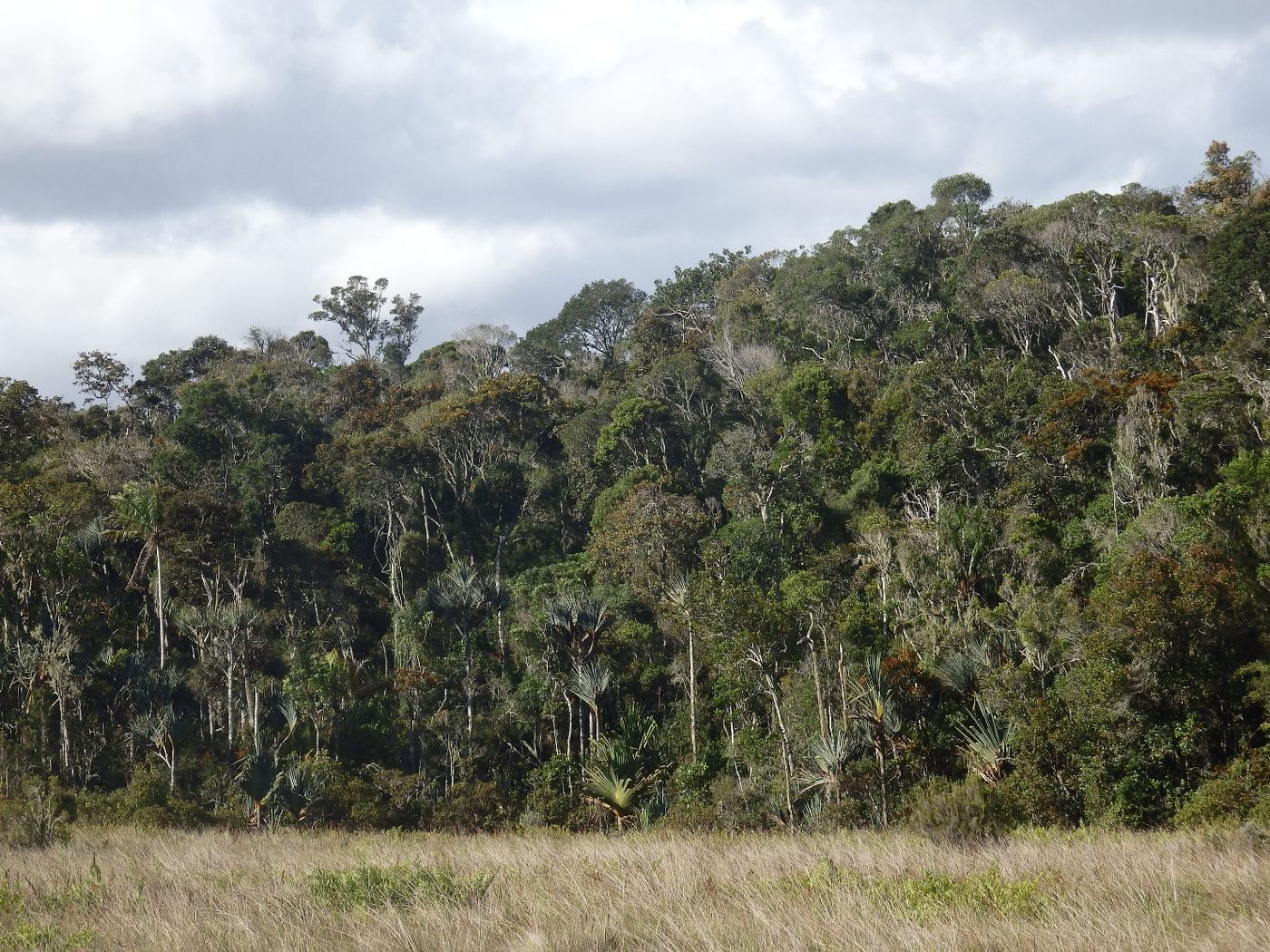
This highland rainforest survives as an island of biodiversity amidst largely transformed landscapes. The reserve is home to remarkable biodiversity, but its environment remains vulnerable to fires, habitat degradation and the spread of invasive species. In some areas, therefore, action is needed to allow the forest to regain its place.
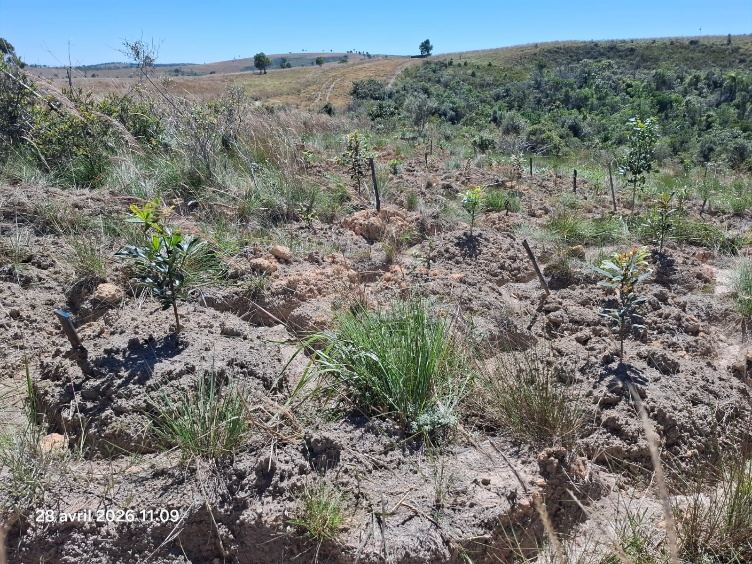
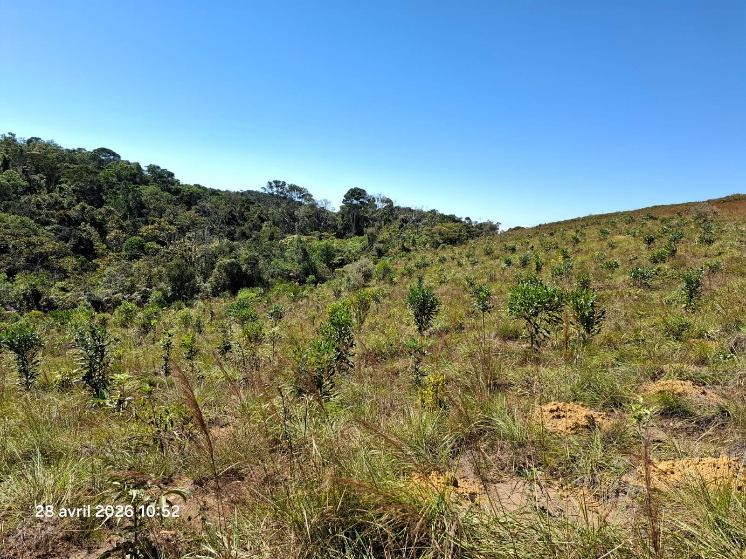
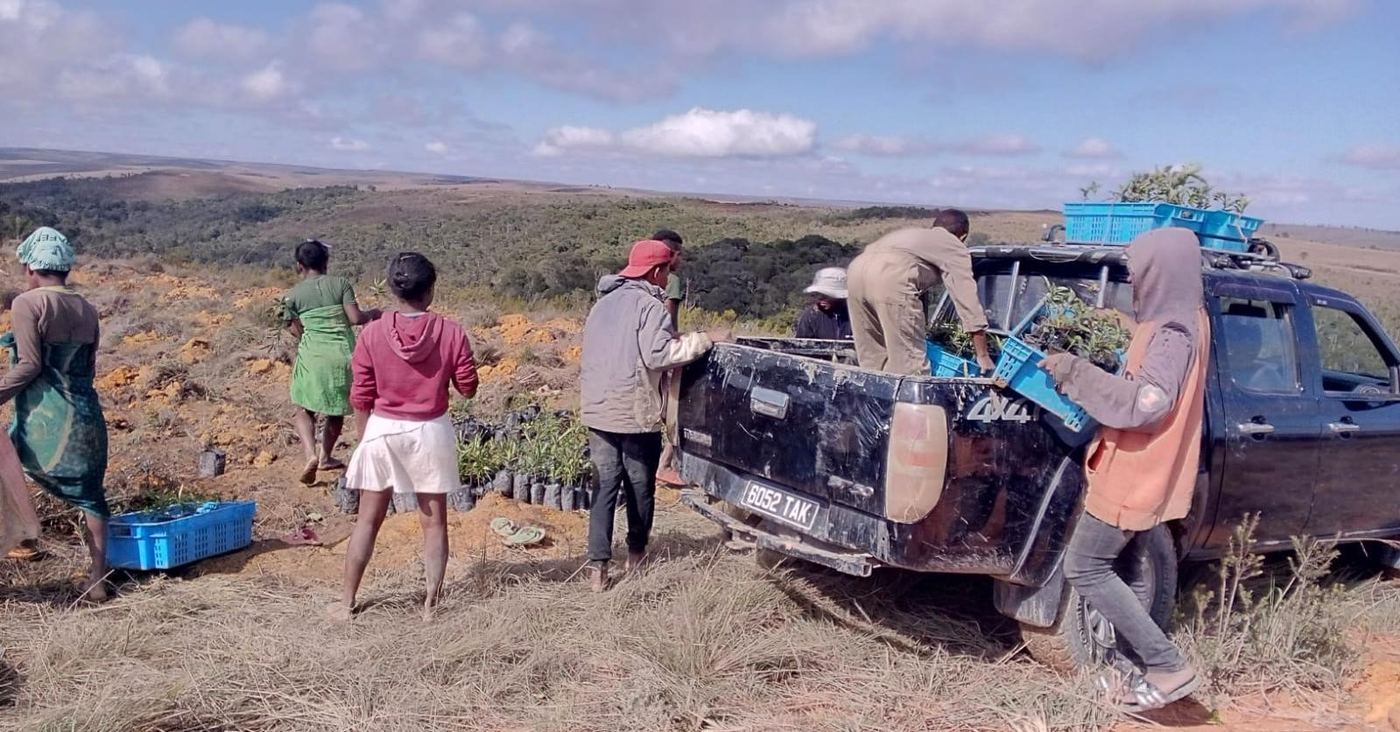
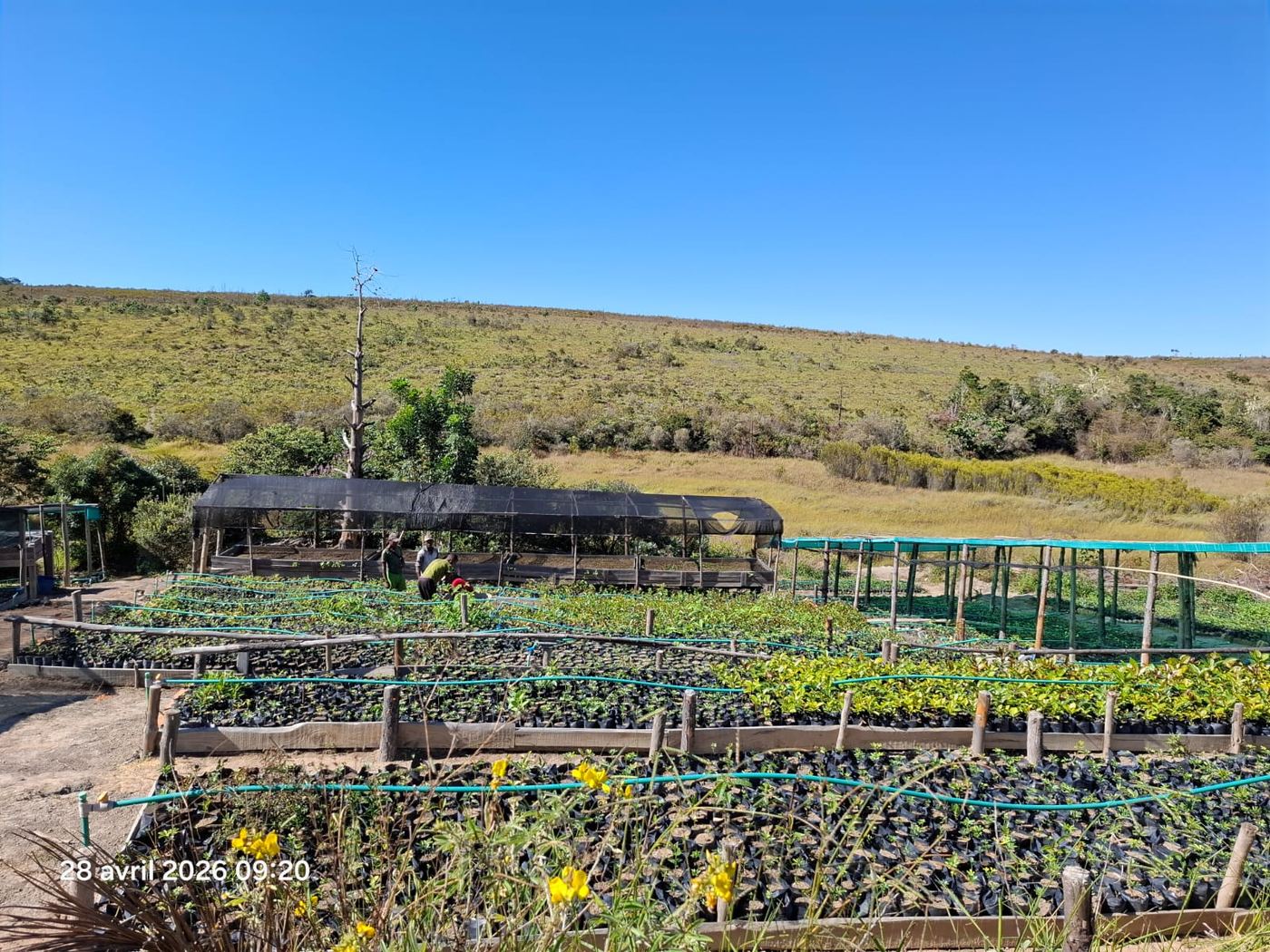
On the most degraded land, seedlings were produced in nurseries and then planted out. The project helped to improve the techniques and production capacity for seedlings suited to the needs of restoration. On other plots, the most appropriate approach was to support natural regeneration by controlling the species that were hindering its progress. This assisted passive restoration relied in particular on improved control of invasive species within the restoration plots.
Two different approaches, one common goal: to enable the forest to gradually regain its continuity. This combination has resulted in the restoration of 7 hectares through planting and 35 hectares through assisted passive restoration. As part of the project supported by the Hempel Foundation, 17,000 seedlings representing 48 species were planted across 4.2 hectares identified as a new restoration area. At the same time, more than 30 hectares of secondary vegetation dominated by invasive species were managed to encourage natural regeneration.
A restored forest, enhanced expertise
Behind every restored plot lies a range of skills. Producing suitable seedlings, planting them at the right time, maintaining the plots, controlling invasive species, and monitoring the growth of vegetation: ecological restoration relies on a series of skills that must be able to be drawn upon over time.
The project has helped to strengthen this chain of skills and practices within the Vahatra Association. It has thus transformed a number of operational needs into sustainable restoration capacities, covering everything from the production of seedlings to the various stages of active restoration and assisted passive restoration. Furthermore, this initiative has also created opportunities for local communities.
Over 9,300 person-days of labour were required during the project for the production of seedlings, planting, maintenance and the control of invasive species. Women played a particularly important role in this work.
Forest restoration thus becomes a practical activity for the communities living around the reserve. It also strengthens their involvement in the conservation of the protected area and helps to embed restoration practices in the region on a long-term basis.
Ambohitantely, a learning environment
What has been built there extends far beyond the boundaries of the reserve. The site now welcomes national stakeholders and practitioners from other countries who are interested in the initiatives being carried out there. Participants, notably from neighbouring islands and other countries, come here to share their experiences, discover the best practices implemented on site and draw inspiration from the approaches developed by the Vahatra Association with the ongoing support of local communities. They come to observe, exchange ideas and draw inspiration from the practices developed by the Vahatra Association in collaboration with local communities.
This aspect lends particular significance to the efforts being made. A restored plot primarily benefits the protected area. However, the knowledge gained in the field can be shared and used to inform other restoration initiatives.
This momentum is gradually establishing Ambohitantely as a pilot site and a benchmark for ecological restoration in Madagascar, recognised by the reserve’s management and its partners, notably the Ministry of the Environment.
From one-off action to long-term sustainability
Ecological restoration does not end when the last seedlings are planted. The trees must grow. The plots must evolve. The vegetation must gradually regain its structure. The planted species must become established, and those that threaten regeneration must continue to be controlled. In Ambohitantely, part of the work has now been completed.
One of the key achievements of the Hempel Foundation’s support is precisely that it has helped to establish a restoration system capable of sustaining its benefits beyond the funding period. It is precisely this period that FAPBM seeks to safeguard. By channelling long-term funding towards protected areas, the Foundation enables managers and their partners to work at the ecosystem level. The achievements of this project will only come into their own if they continue to be supported.
At the end of the project, the results tell the story of a forest that is beginning to grow again, but also of the men and women who have learnt, experimented and worked together to create the conditions for this rebirth. They also tell the story of the gradual establishment of a local restoration system, capable of sustaining these practices in the long term and sharing the lessons learnt from Ambohitantely with other conservation stakeholders.
With 42 hectares of forest restored, 17,000 saplings representing 48 species, a success rate of over 90% and more than 9,300 person-days of labour mobilised, Ambohitantely demonstrates that restoring a forest is as much about rebuilding an ecosystem as it is about building the capacity of those who look after it.
The rest now belongs to time.