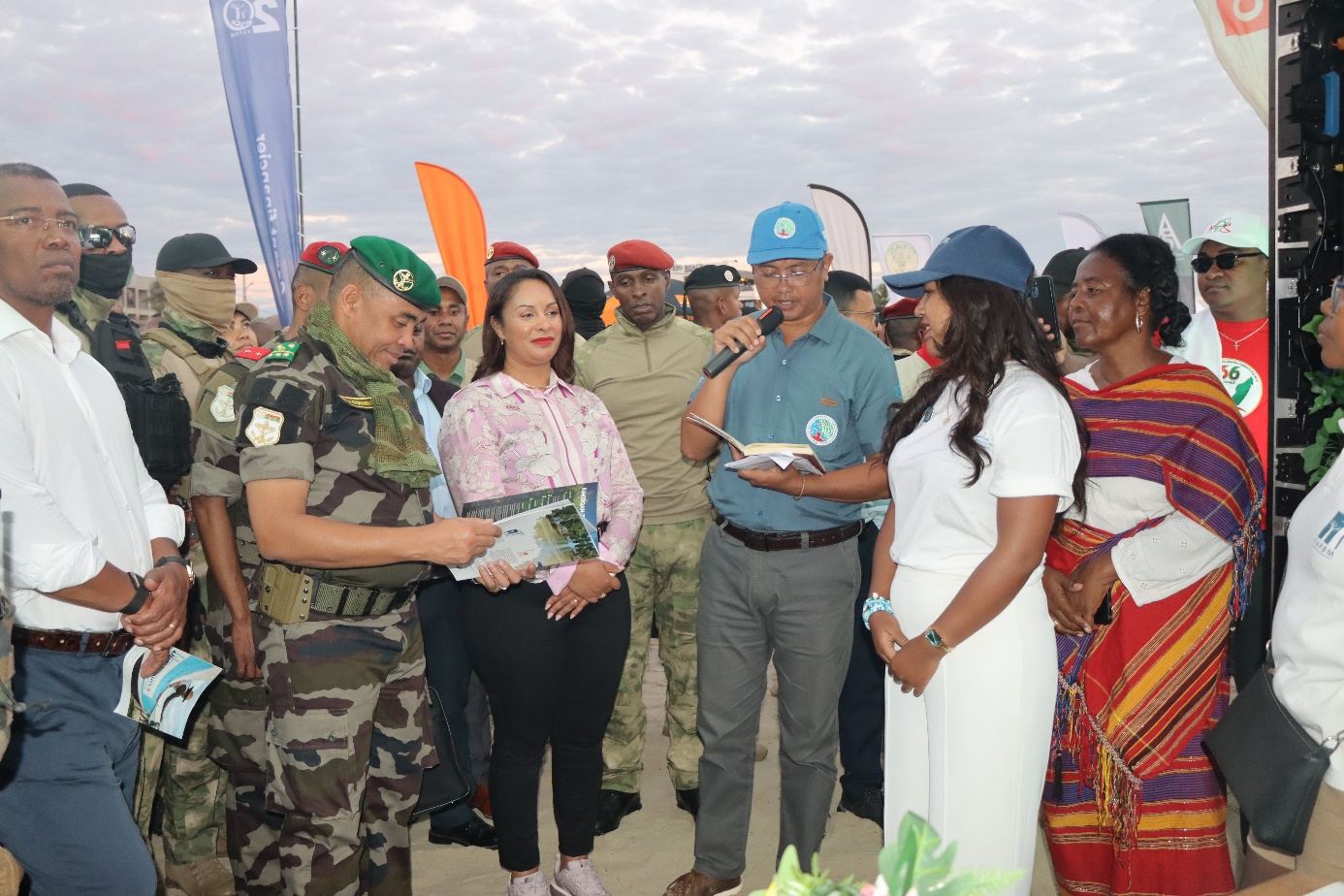
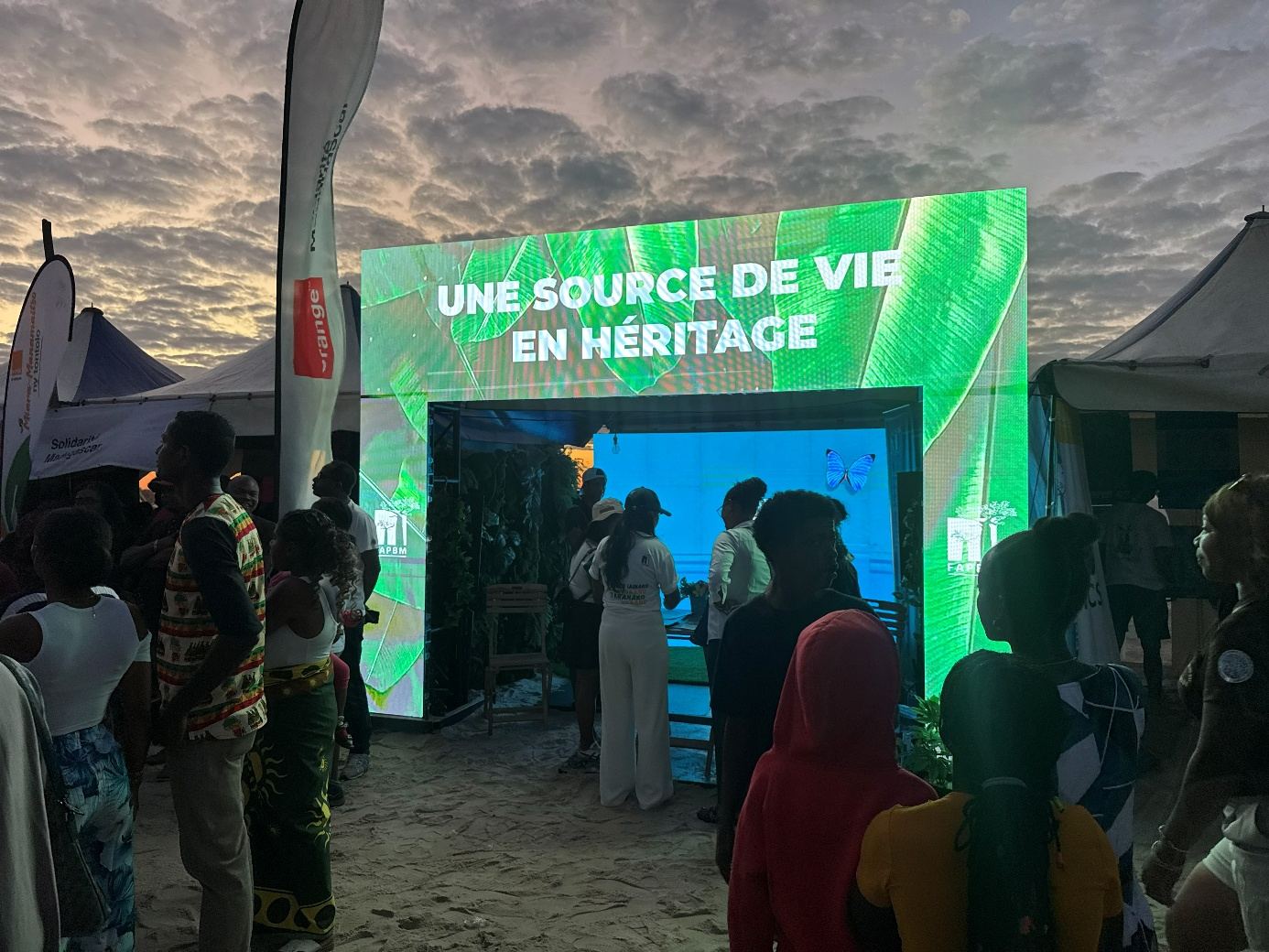
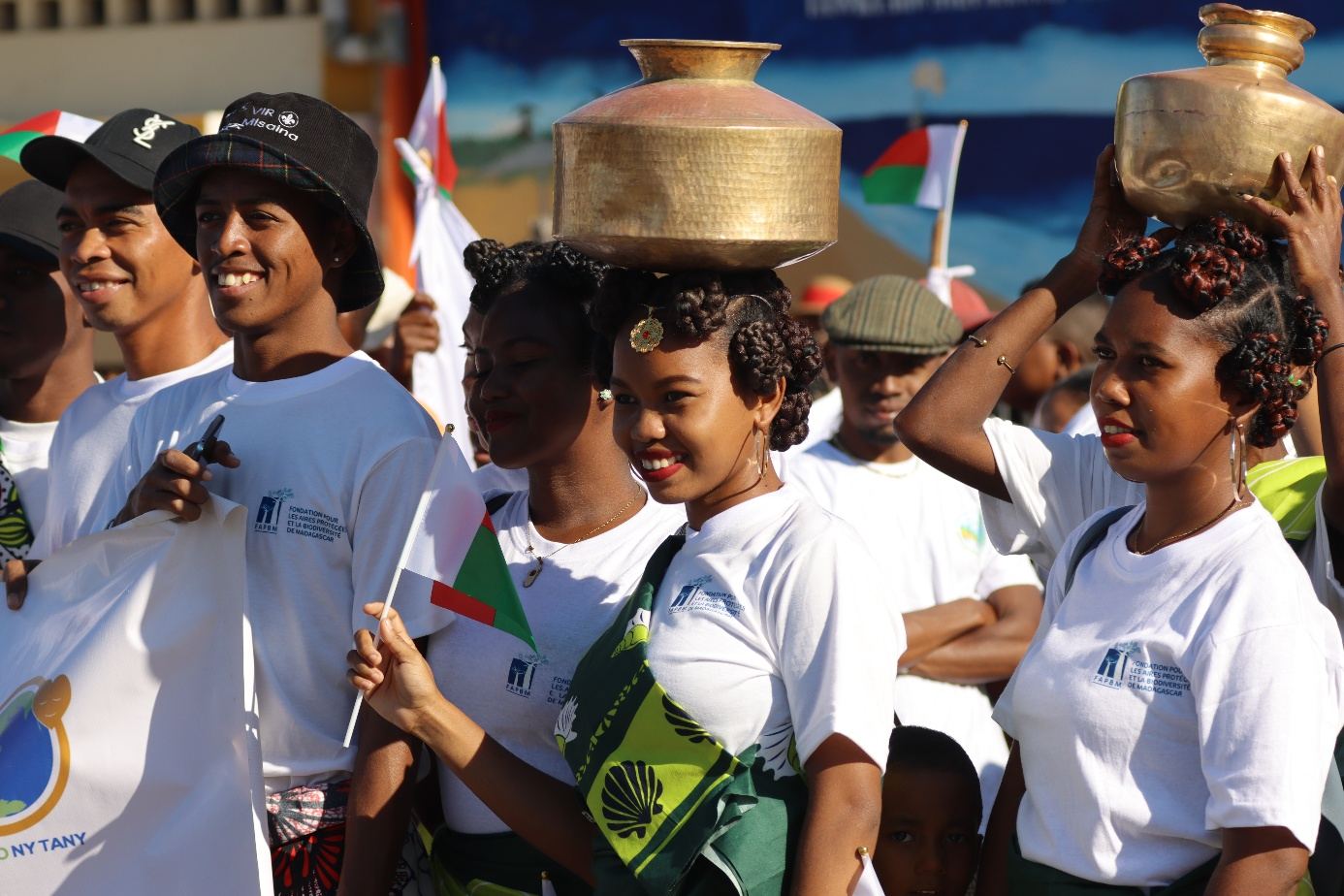
From 28 to 30 June 2026, Morondava, the capital of the Menabe region, hosted the joint celebration of the World Biodiversity Day, the World Environment Day and the Desertification and Drought Day. Held under the national theme ‘Restoring land, preserving biodiversity and taking action on climate change: local solutions for sustainable resilience’, the event brought together the Ministry of the Environment and Sustainable Development (MEDD), local authorities, technical and financial partners, civil society and local communities. Madagascar Protected Areas and Biodiversity Fund (FAPBM) took part alongside the Ministry, acting as the financial guarantor for conservation in Madagascar.
A region facing vital challenges
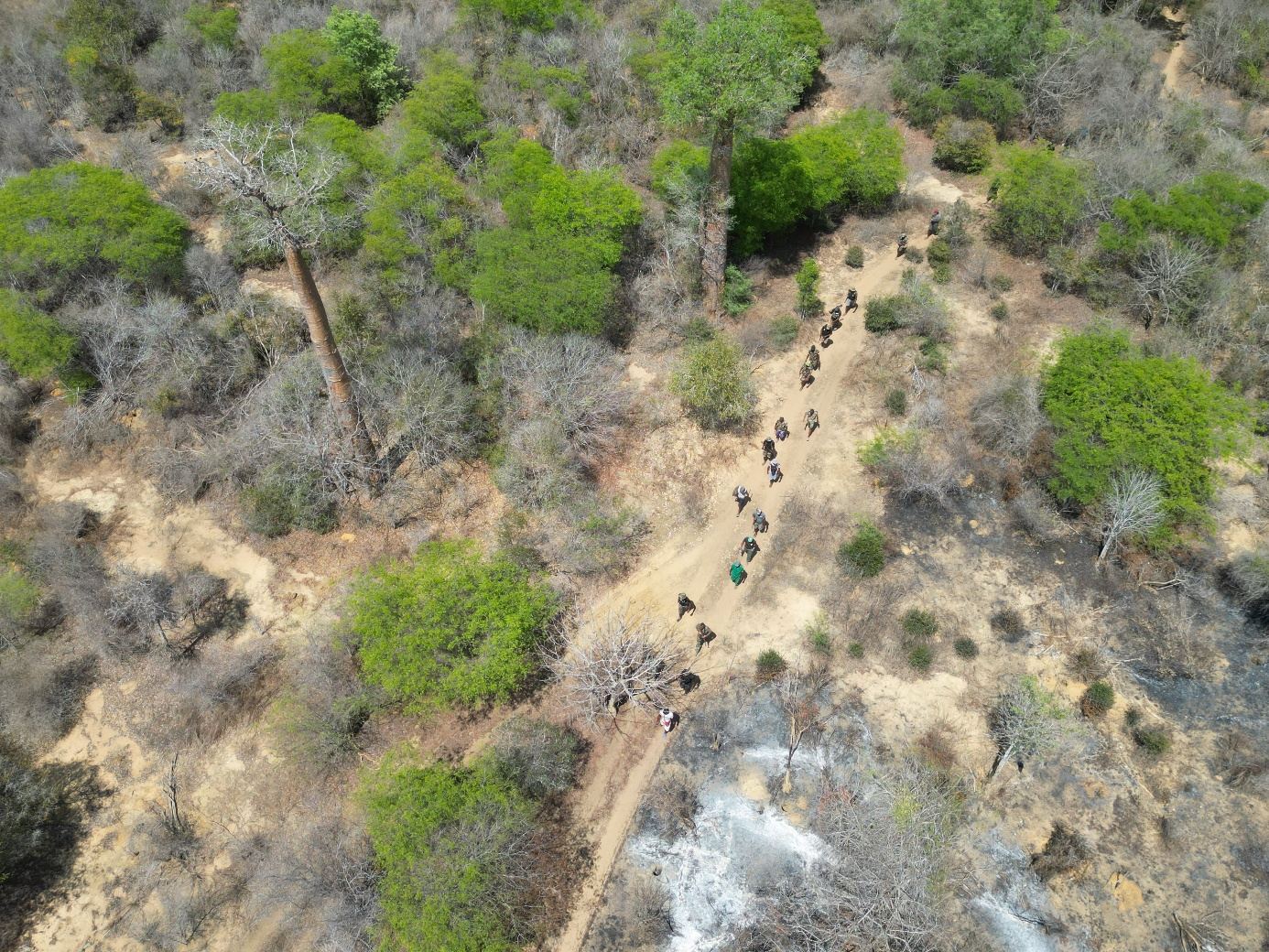
The choice of Morondava is no coincidence. As the capital of the Menabe region, the town is both a showcase and a guardian of Madagascar’s biodiversity: unique dry forests, the legendary Avenue of the Baobabs, but also growing environmental pressure — deforestation, extensive farming, and repeated droughts. Madagascar ranks among the ten countries most vulnerable to climate change in the world according to the 2023 ND-GAIN index, even though it accounts for less than 0.2% of global emissions. Thirteen regions, including Menabe, are currently affected by desertification, and 35% of the country’s territory is experiencing extreme drought. Holding these celebrations in Morondava means anchoring the national debate at the very heart of the regions that are paying the price.
In this region, FAPBM funds three major protected areas which form a single ecological complex around Morondava: the Menabe Antimena Protected Harmonious Landscape, covering more than 200,000 hectares; the Andranomena Special Reserve; and the Kirindy Mitea National Park, recognised by UNESCO as a Biosphere Reserve and covering approximately 156,000 hectares of dry forests, mangroves and coastal lakes. Together, these sites are home to species found nowhere else in the world, starting with the ‘Madame Berthe’ mouse lemur – the smallest primate on the planet – alongside the fossa, the giant jumping rat and the flat-tailed tortoise. This landscape benefits in particular from the support of the Danish Hempel Foundation, a co-funding partner of FAPBM, through a project dedicated to protecting the baobab forests of western Madagascar and safeguarding the livelihoods of the communities that depend on them.
Natural capital: a strategic investment
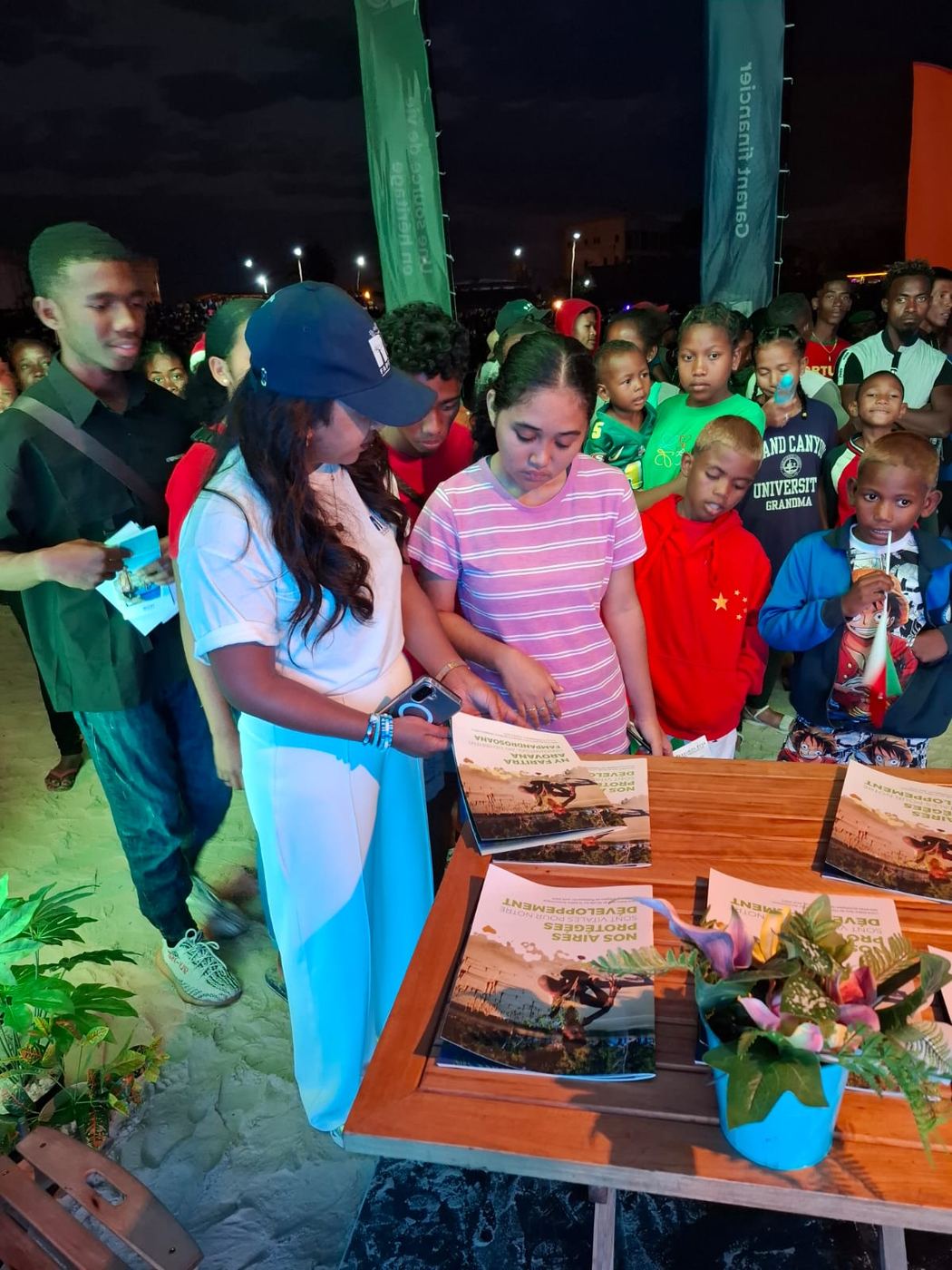
From the very start of the celebrations on 28 June, FAPBM reiterated a key message: Protected areas are a source of life, both today and for future generations. For the past 20 years, FAPBM has been funding them to help preserve them and enable communities to continue to benefit from their ecosystem services. Working alongside MEDD and the wider conservation community, the Foundation — Africa’s first trust fund dedicated to conservation — engaged directly with local communities in the Menabe region on the vital importance of protected areas to their livelihoods.
On the ground: coastal protection and direct support for communities
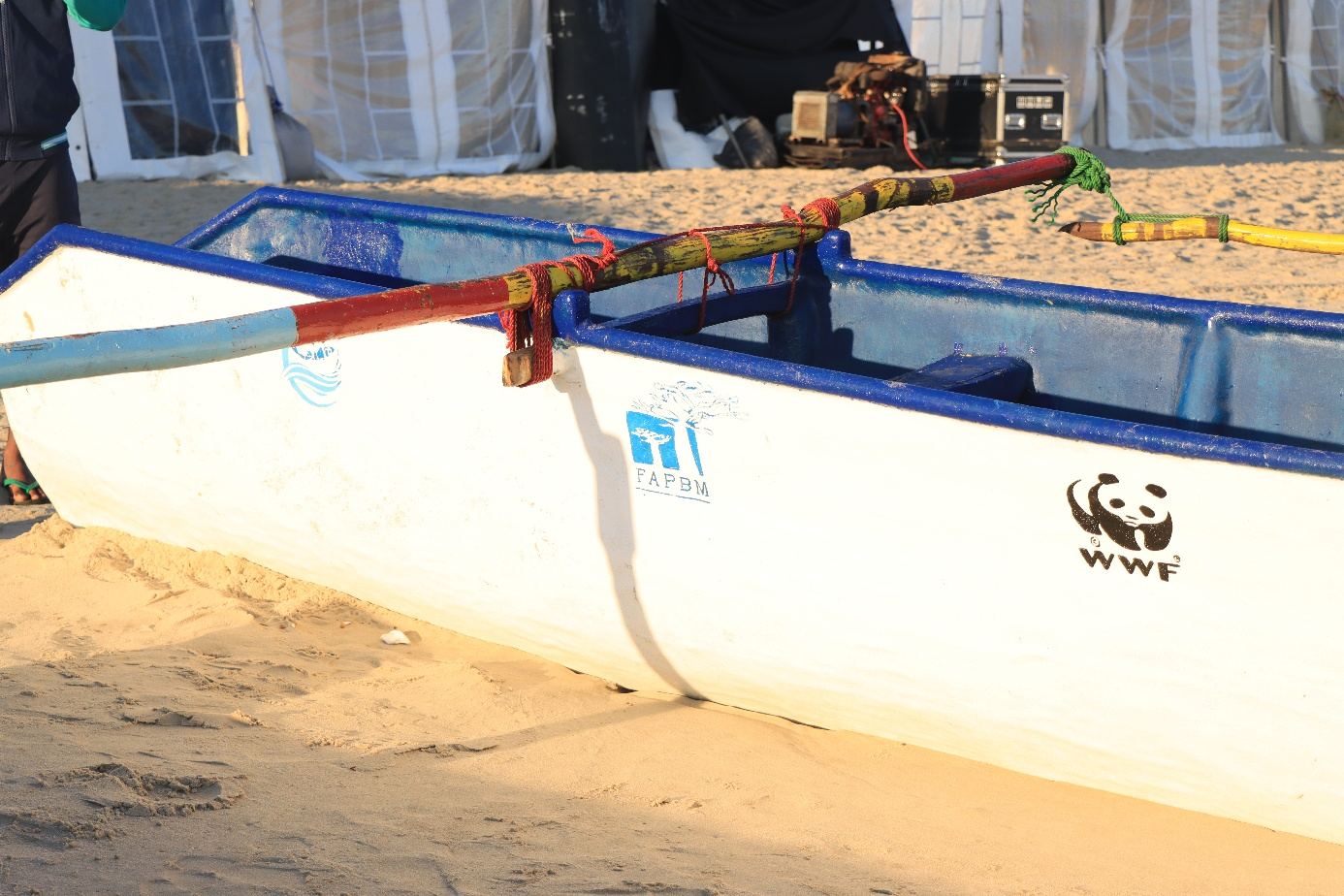
The second day of the celebrations, on 29 June, highlighted concrete conservation initiatives. The morning began with a demonstration by the Organisme for Combating Marine Oil Pollution Incidents at Sea (OLEP), which, under the supervision of MEDD, deployed an oil boom on Anosikely beach. This was followed by the official handover of six motorised canoes in Namahora, as part of the GEF6-AMP project led by MEDD, with financial management provided by FAPBM — a concrete example of the Foundation’s role, which goes beyond simply funding protected areas to directly support the livelihoods of coastal communities.
The day concluded with a strategic round-table discussion focused on strengthening biodiversity conservation in the Menabe region, organised around three themes: biosphere reserves and their impact on the sustainable development of local communities, the sustainable management of baobab trees, and grazing lands in the face of climate change.
A strong voice, a reaffirmed commitment
Beyond the three days of celebrations, FAPBM’s participation in this national event illustrates its dual purpose: to strengthen synergies with institutions and technical and financial partners in its role as a long-term funder, whilst reminding local communities that the protection of their protected areas is closely linked to their own future. As the Foundation has emphasised throughout these celebrations, everyone has a part to play in protecting this shared heritage.
« Let’s be ambassadors for biodiversity conservation by sharing its importance with those around us. »