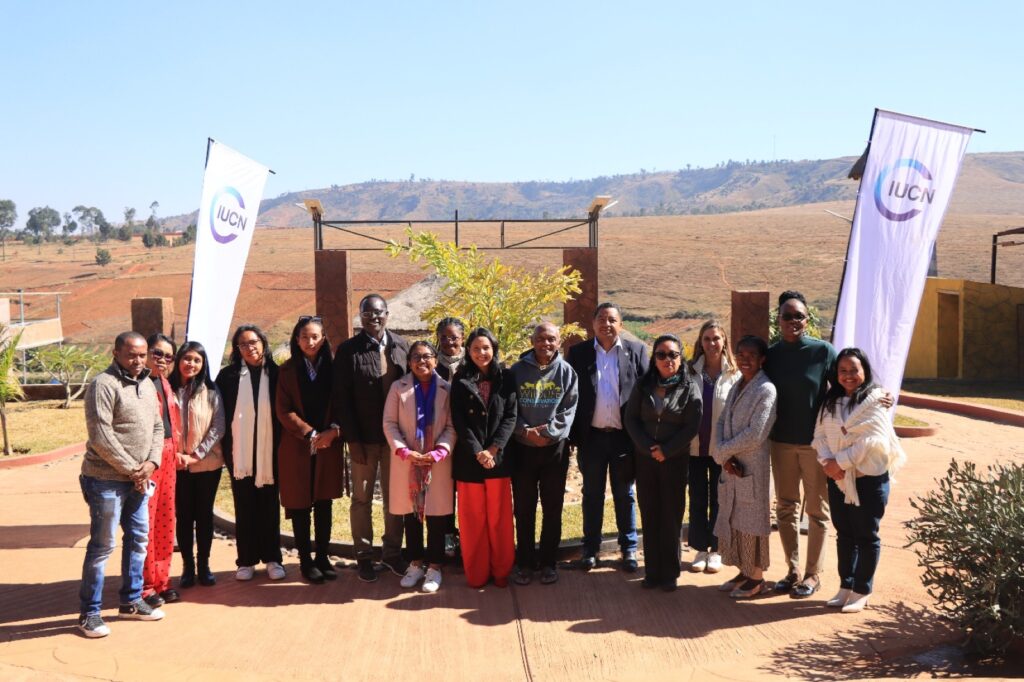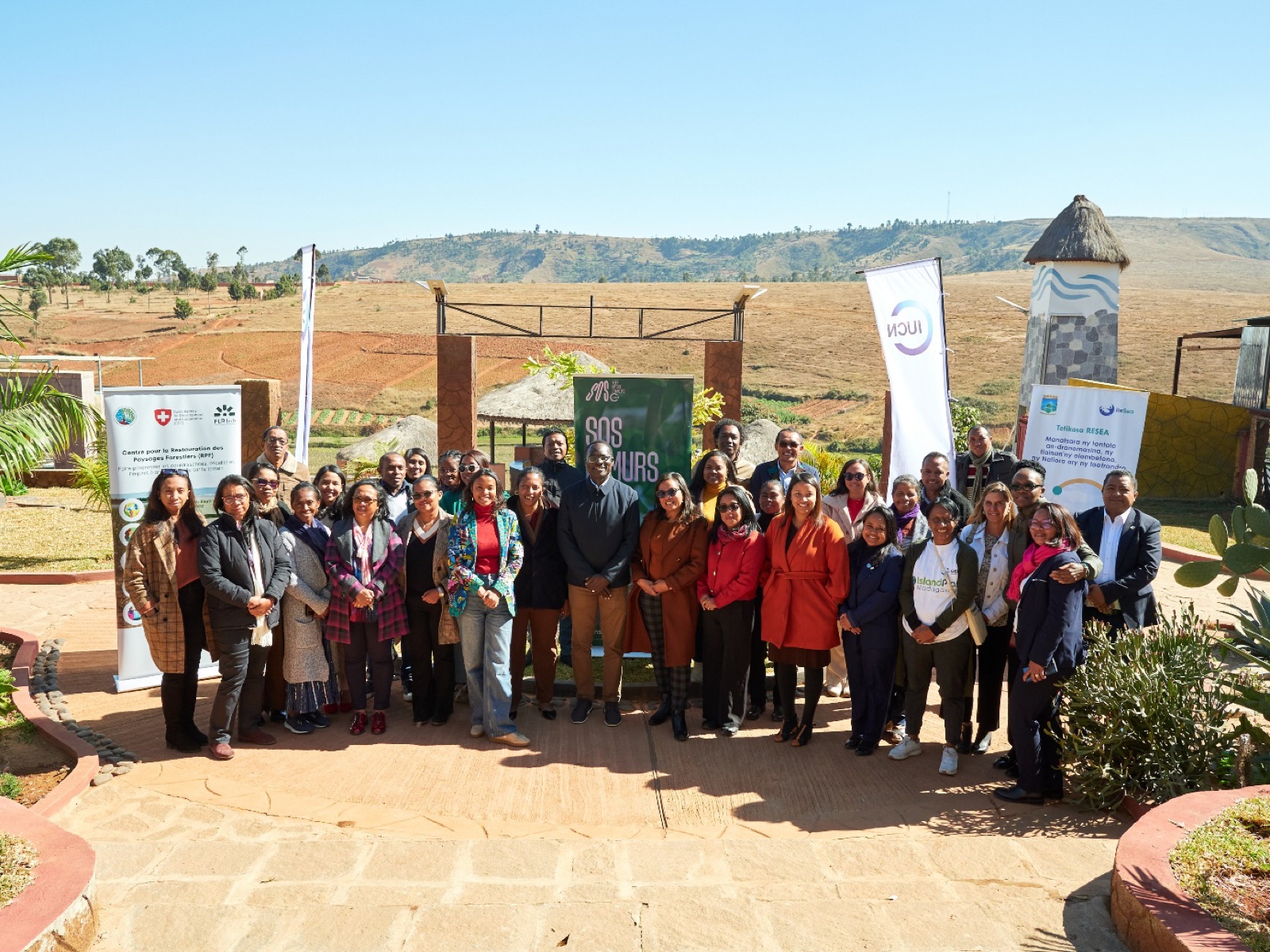
With exceptional biodiversity under mounting pressure, coordination between stakeholders has become a strategic priority for Madagascar. On 2 and 3 July 2026, a national workshop held in Anosiala strengthened synergies between conservation stakeholders, provided a forum for discussing national priorities and consolidated the governance of the IUCN Madagascar National Committee.
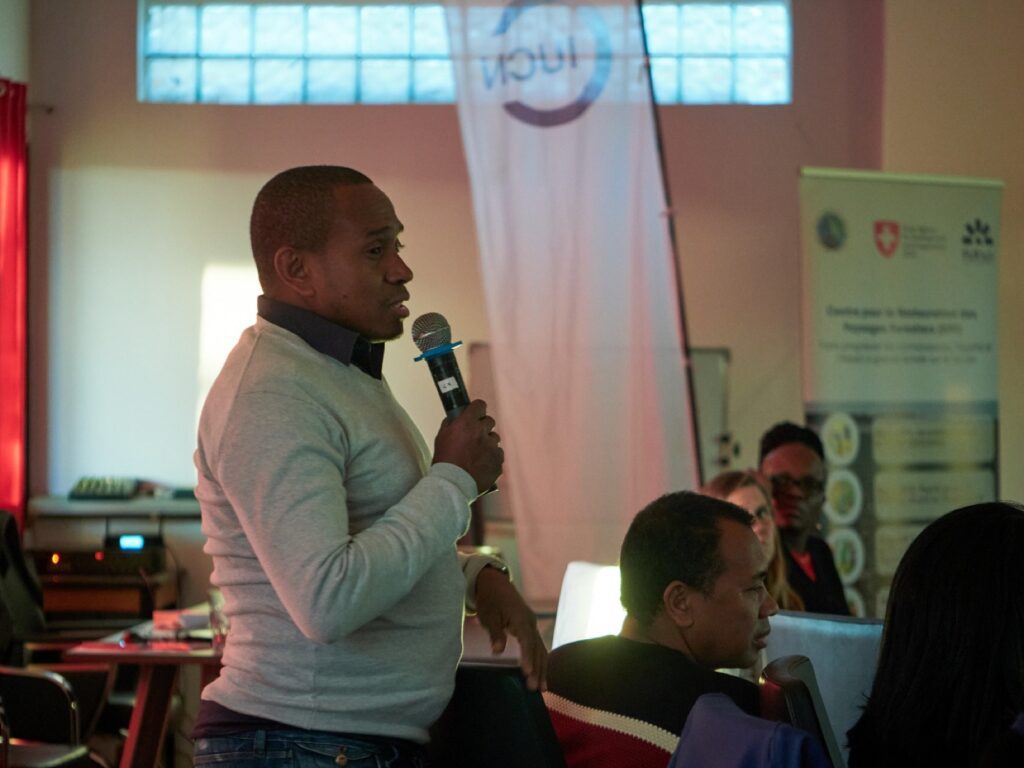
On 2 and 3 July 2026, at the ILO Hotel in Anosiala, Ambohidratrimo, the Madagascar Protected Areas and Biodiversity Fund (FAPBM), a member of the IUCN Madagascar National Committee, co-organised the national workshop on coordination and strategic direction for conservation stakeholders.
Led through the National Committee’s Technical Secretariat, which is hosted and supported by FAPBM, in collaboration with the Ministry of Environment and Sustainable Development (MEDD), the International Union for Conservation of Nature (IUCN) projects in Madagascar and all members of the Committee, the workshop brought together IUCN member organisations, its Commissions, and technical and institutional partners from the sector.
The aim was to strengthen dialogue between stakeholders, align interventions with national biodiversity priorities and consolidate the role of the IUCN Madagascar National Committee as a platform for consultation, sharing of expertise and collective mobilisation.
Exceptional biodiversity: a national and global concern
Madagascar ranks among the most biodiverse countries in the world. Its exceptional level of endemism makes it a natural heritage of both national and global importance.
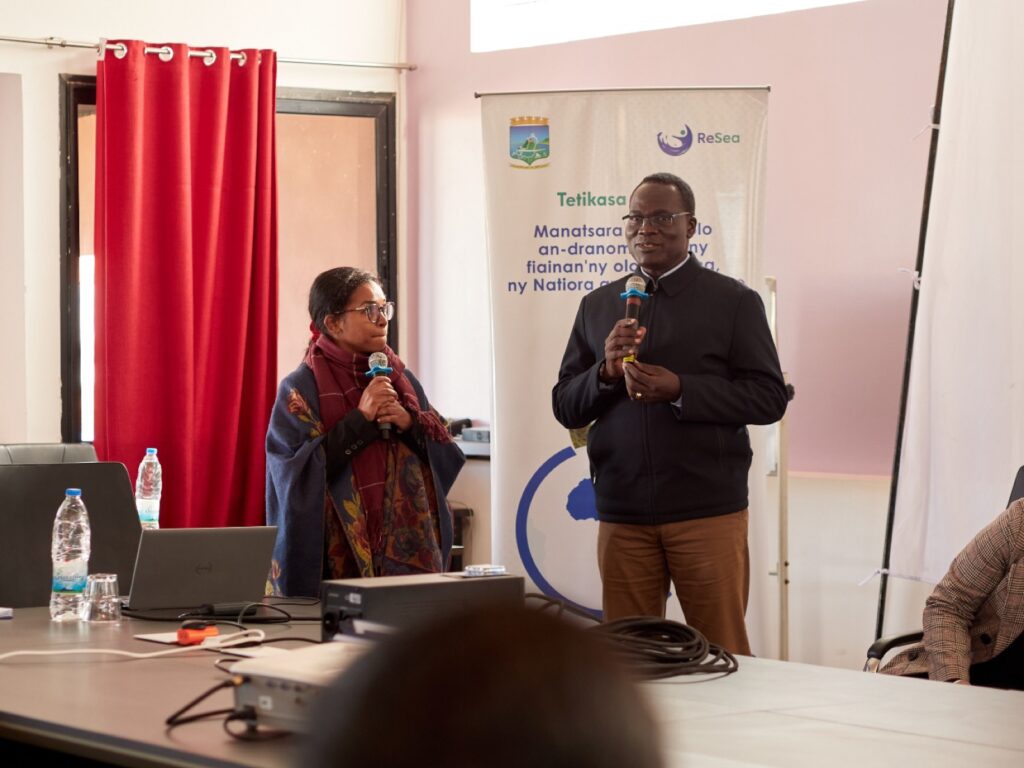
During the workshop, Luther Anukur, IUCN Regional Director for Africa, pointed out that Madagascar is home to almost 5% of the world’s biodiversity. This wealth represents major potential for the country’s sustainable development, provided that conservation objectives are better aligned with economic and social challenges.
Yet this natural wealth now faces multiple and mounting pressures: deforestation, ecosystem degradation, invasive alien species, climate change and growing pressure on natural resources.
In this context, protecting biodiversity cannot be the work of any single stakeholder or sector. The response must be collective, coordinated and grounded in shared priorities.
The challenge is also to secure greater recognition of biodiversity’s contribution to development. Conservation can help create jobs, raise incomes and strengthen livelihoods, particularly in areas where people depend directly on natural resources.
Better coordination for greater conservation impact
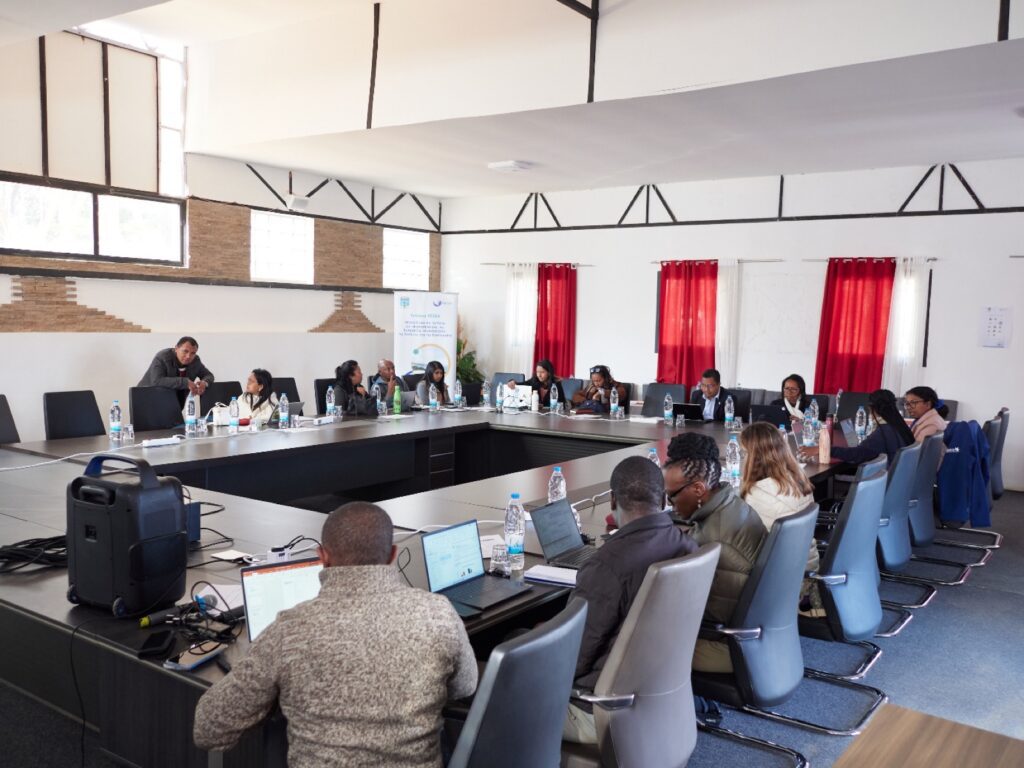
It was with this in mind that the national workshop brought the various conservation stakeholders together around national and international priorities.
Discussions focused in particular on the National Biodiversity Strategy and Action Plan (NBSAP), Other Effective area-based Conservation Measures (OECMs), the conservation of terrestrial, marine, coastal and aquatic species and ecosystems, invasive alien species and the sustainable use of natural resources.
These discussions address a central need: to better align initiatives, expertise and interventions so as to contribute more effectively to Madagascar’s conservation objectives.
Alignment with the NBSAP is a key lever for ensuring greater coherence between the interventions of the various partners and the priorities set at national level. It also helps to make Madagascar’s contribution to its international commitments more coherent, notably under the Global Biodiversity Framework.
Beyond individual projects, the ambition is therefore to strengthen collaboration mechanisms and to make the IUCN Madagascar National Committee a lasting forum for dialogue, sharing of expertise and collective mobilisation.
New governance for the IUCN Madagascar National Committee
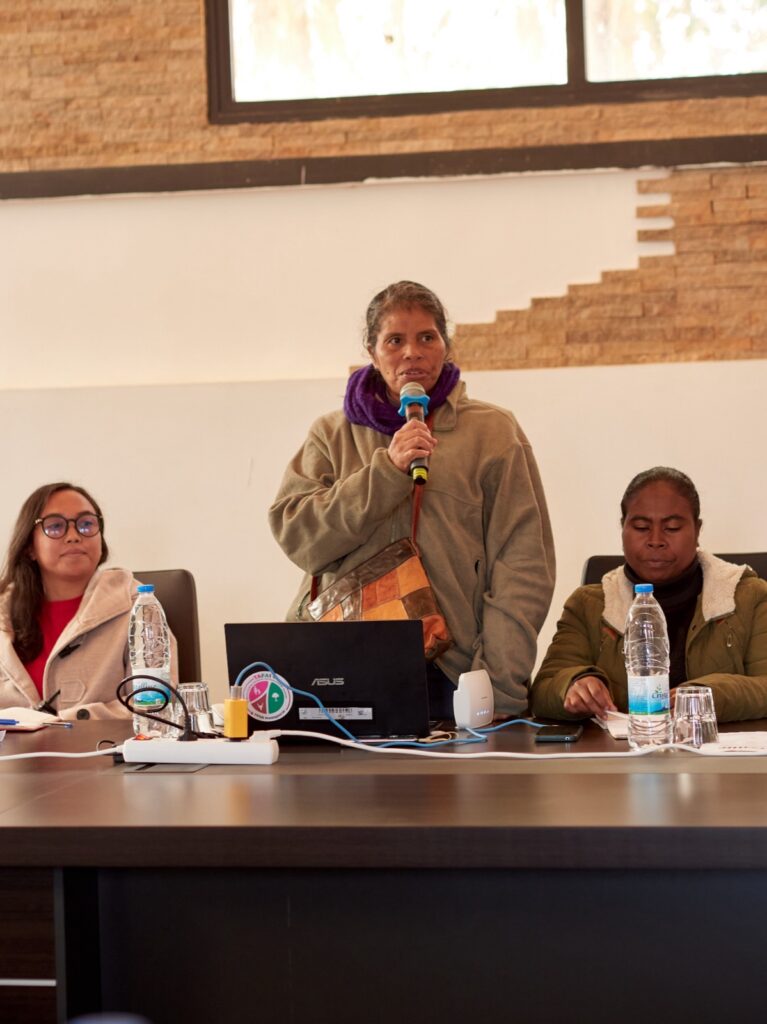
The second day of the workshop was also devoted to the General Assembly of the IUCN Madagascar National Committee.
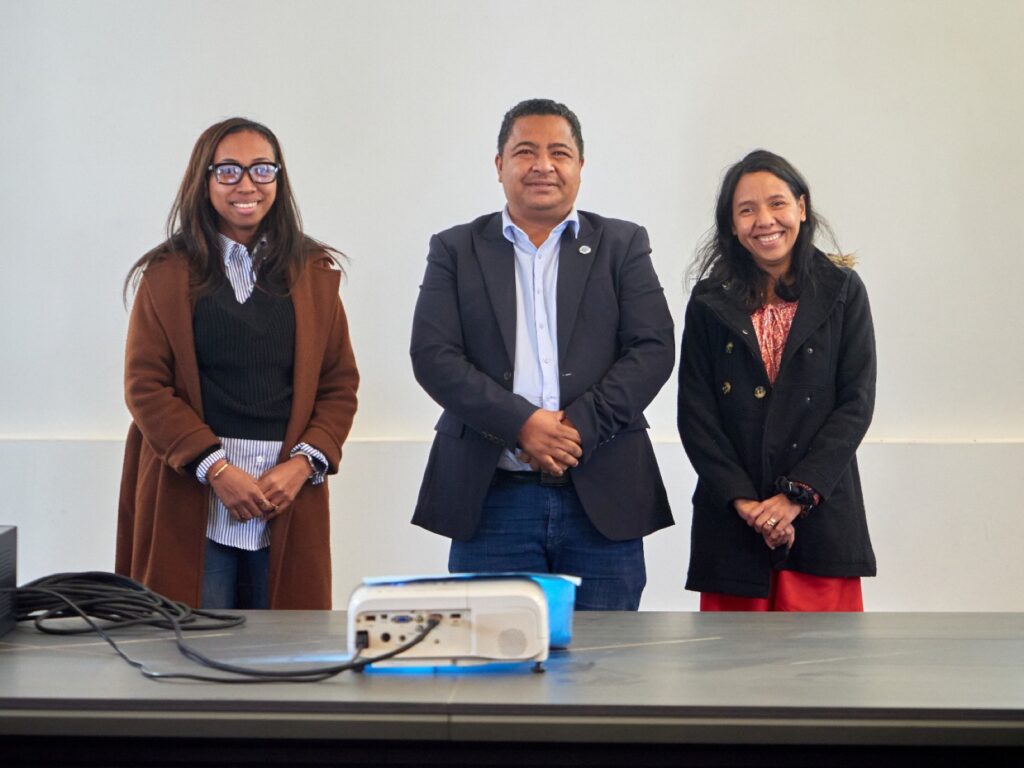
The meeting marked an important milestone in the Committee’s governance, with the election of Manantsoa Tiana Andriatsihoarana to head the new Executive Committee. Its role will notably be to strengthen the coordination of conservation action and to support the collective momentum of the Committee’s members over the coming years.
This new governance comes with a commitment to further structure collaboration mechanisms, notably through the establishment of thematic sub-committees and the development of a priority action plan.
The aim is to move coordination towards a more operational approach, one capable of bringing together available expertise, fostering collaboration and responding more effectively to Madagascar’s biodiversity priorities.
Making conservation a driver of development for communities
Coordination between stakeholders only makes sense if, in the long run, it improves conservation outcomes on the ground.
During the discussions, the MEDD stressed in particular the need to better harmonise the various IUCN projects in Madagascar with the Government’s priorities. This closer alignment should strengthen the coherence of interventions and their tangible benefits for local people.
Human capital development, the creation of green jobs and improved livelihoods should therefore be more fully integrated into future projects. The aim is for communities living around natural areas to become, to a greater extent, both beneficiaries of and actors in the opportunities generated by conservation.
This vision puts biodiversity back at the heart of development issues. Preserving an ecosystem is not only about protecting a species or an area: it is also about preserving the resources and opportunities on which people depend.
For Madagascar, where many communities are directly reliant on natural resources, this link between conservation, economic development and better living conditions is a major issue.
FAPBM: committed to national coordination
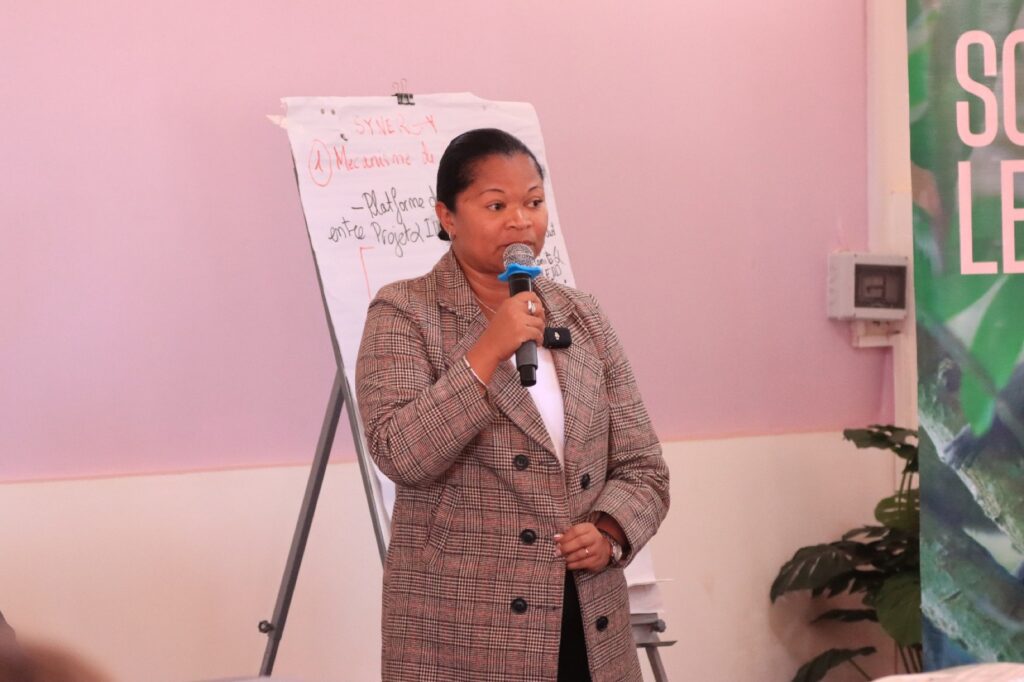
For FAPBM, taking part in the IUCN Madagascar National Committee is part of an approach that complements its mandate of providing sustainable financing for protected areas.
By hosting and supporting the National Committee’s Technical Secretariat, the Foundation helps to create a framework in which the various stakeholders can engage in dialogue, share their expertise and make their interventions more coherent.
This involvement reflects a firm belief: conservation financing must go hand in hand with effective coordination between stakeholders and a shared vision of priorities.
The workshop on 2 and 3 July, co-financed by Conservation Allies, FAPBM and IUCN projects, thus laid several foundations for the future: renewed governance, stronger collaboration priorities and a shared determination to move away from scattered interventions towards a more coordinated, collective approach to biodiversity.
Joining forces to meet the biodiversity challenge
The workshop’s proceedings underlined a fundamental reality: given the scale of the environmental challenges, no stakeholder can act alone.
Madagascar’s natural wealth is both a responsibility and an opportunity. Preserving it requires mobilising public institutions, conservation organisations, experts, technical and financial partners, as well as communities and the private sector, around common goals.
Strengthening the IUCN Madagascar National Committee is part of this momentum. By building more bridges between its members, its Commissions, national institutions and partners, the Committee intends to contribute to conservation action that is more coherent and better connected to realities on the ground.
Through this new stage in its governance, the IUCN Madagascar National Committee thus aims to contribute to a shared ambition: to make biodiversity conservation not only an environmental priority, but also a genuine driver of sustainable development for Madagascar, for the benefit of present and future generations.