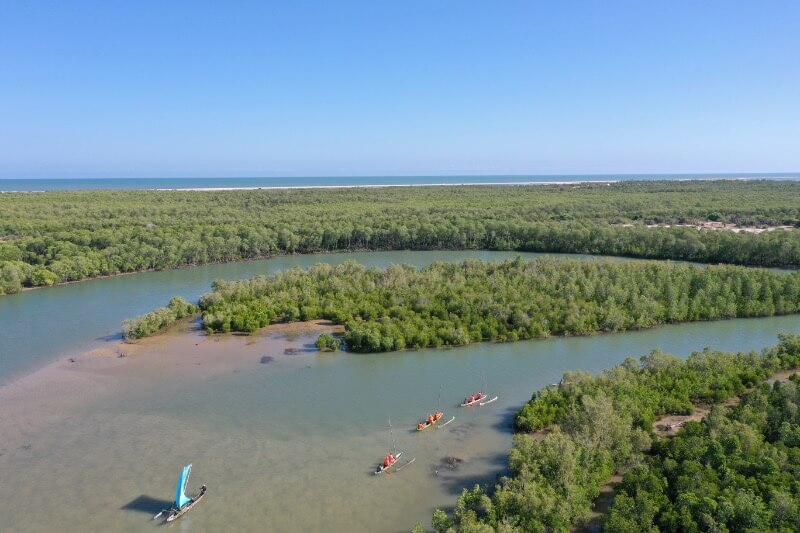
At the 11th Our Ocean Conference, June 16–18, 2026 in Mombasa, Kenya, WWF Madagascar launched the Marine Biodiversity and Community Resilience Facility (MCRF). This USD 11 million blended finance structure marks a transformative shift across the Southwest Indian Ocean (SWIO), connecting international finance directly with local community stewardship and moving away from traditional grant dependency.
Building on a deep history of collaboration, WWF Madagascar and FAPBM1 have joined forces on the design and implementation of the facility—a partnership that will remain foundational as MCRF moves into operation. In this context, FAPBM, as the national Conservation Trust Fund (CTF), plays a dual role in co-designing and supporting the implementation of long-term financing mechanisms for marine conservation in Madagascar, ensuring alignment with the national conservation finance architecture.
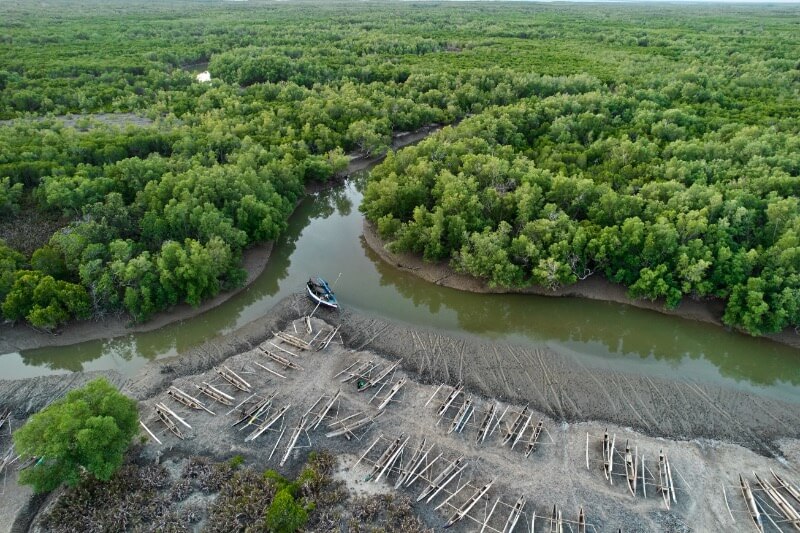
Empowering Coastal Communities as Chief Stewards of Nature
Coastal communities are the primary guardians of marine ecosystems, proving locally led governance that delivers lasting conservation. Yet, they remain severely underfunded and excluded from traditional financial systems. This gap is critical in Madagascar, home to one of the world’s largest networks of Locally Managed Marine Areas (LMMAs) spanning over 1.8 million hectares. Despite their vital role in safeguarding Madagascar’s nature, these communities often lack the financial infrastructure to access long-term funding.
To address this challenge, the MCRF builds on existing national conservation finance institutions, including Conservation Trust Funds such as FAPBM and Tany Meva, which serve as key financial intermediaries for channeling and sustaining long-term conservation investments.
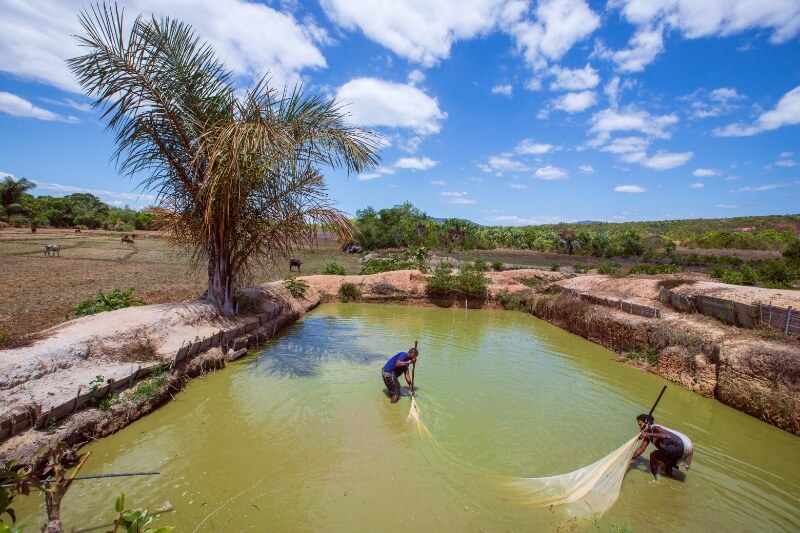
To bridge this divide, the MCRF deploys a three-pronged mechanism:
- An Endowment Facility to secure reliable, long-term financing dedicated to community-led marine management.
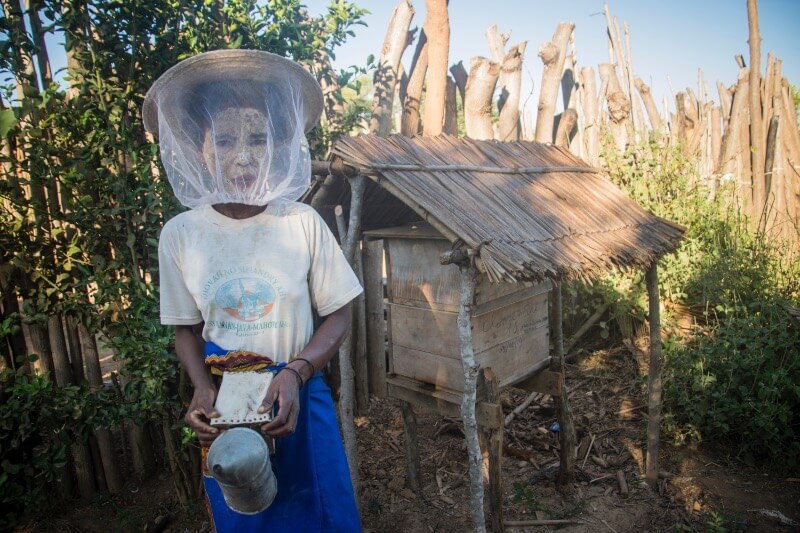
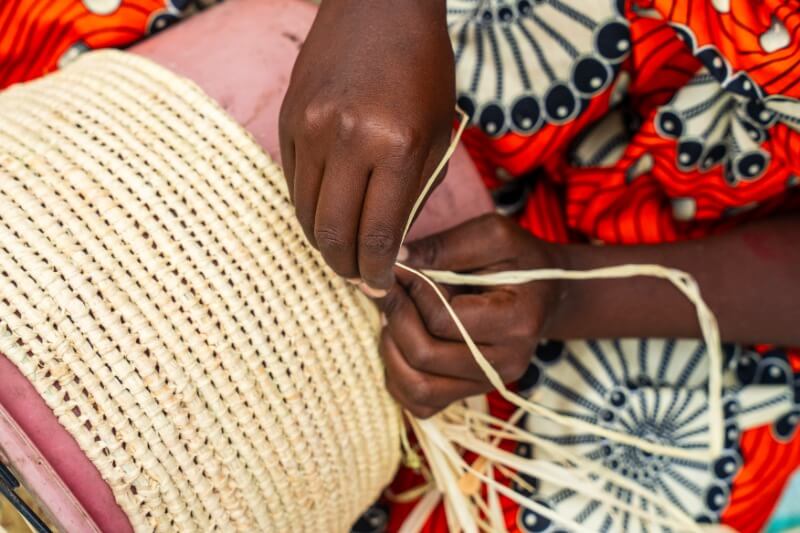
- A Guarantee Facility to unlock local microfinance for coastal entrepreneurs transitioning toward sustainable blue economy livelihoods.
- A Technical Assistance Facility to develop a pipeline of nature-positive enterprises capable of attracting future impact investment.
Together, these three complementary mechanisms form an integrated financing system designed to address both immediate needs and long-term sustainability of coastal communities.
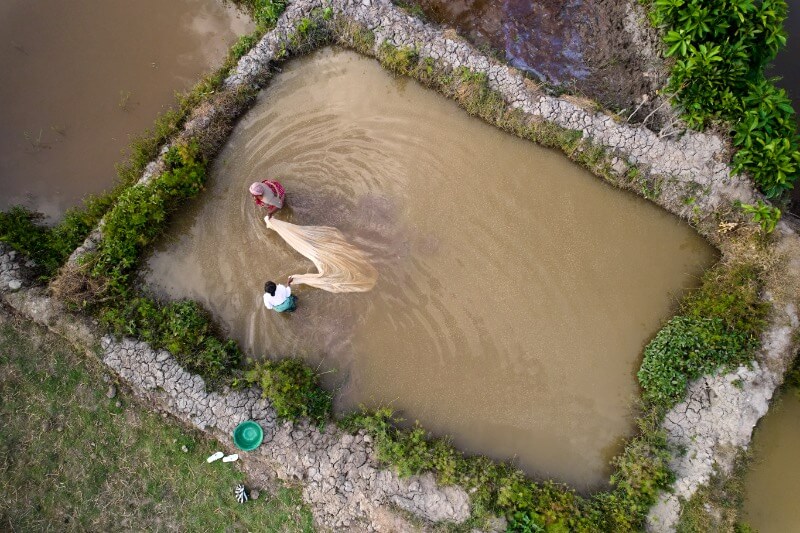
Unlocking Economic Livelihoods to Protect Ecosystems
The MCRF recognizes that marine overexploitation is often driven by a lack of economic alternatives, rather than a lack of awareness. True conservation success depends on creating sustainable economic pathways that enable coastal communities to thrive while reducing pressure on natural resources.
This integrated financing system is expected to generate significant systemic impact. Over the next twenty years, the MCRF is projected to mobilize approximately USD 114 million, strengthen over 12,000 small enterprises, improve the management of 400,000 hectares of mangroves and coral reefs, and positively impact more than 1.5 million people in Madagascar.
A portion of these resources will be channeled through existing national financing structures, including FAPBM, to ensure efficient delivery and alignment with Madagascar’s conservation finance architecture.
While MCRF is anchored strongly in Madagascar, the framework underpinning it is built to scale. As global leaders gather in Kenya to turn 30×30 ocean protection ambitions into action, WWF and partners are already preparing to scale this model to other countries in the region, including Mozambique and Tanzania.
1FAPBM : Fondation pour les Aires Protégées et la Biodiversité de Madagascar (English version : Madagascar Protected Areas and Biodiversity Fund)