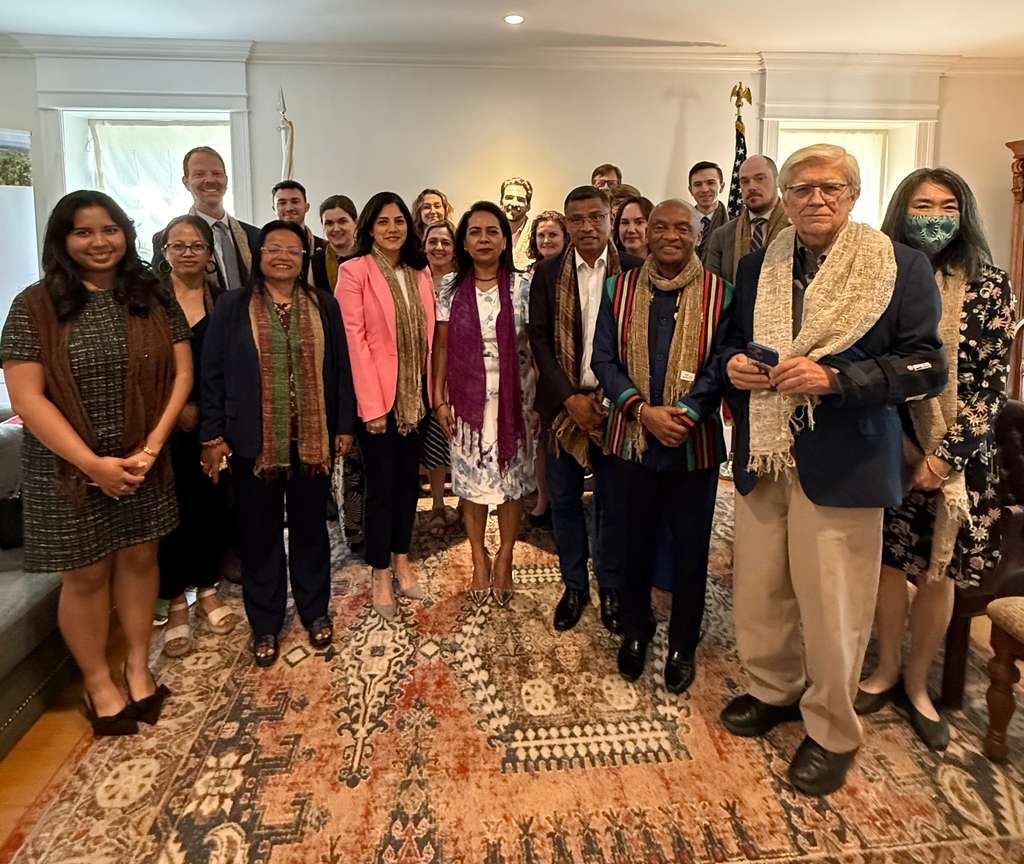
From 16 to 27 May 2026, a Malagasy delegation led by Madagascar Protected Areas and Biodiversity Fund (FAPBM) undertook a strategic campaign in the United States, holding meetings in New York and then in Washington D.C., as part of the ‘Building Conservation Partnerships for Madagascar’s Critical Landscapes’ campaign. Organised with the support of the Embassy of Madagascar in the United States, in partnership with the Ministry of the Environment and Sustainable Development (MEDD), Madagascar National Parks (MNP) and GERP Madagascar, this initiative marks a new milestone in international efforts to protect Madagascar’s critical landscapes.
This campaign forms part of a major shift in conservation approaches: moving away from fragmented interventions centred on individual projects or isolated protected areas, towards conservation that is conceived on the scale of large, interconnected landscapes and ecosystems. It is based on the belief that pooling the expertise, resources and capabilities of the various stakeholders makes it possible to maximise the impact of investments in biodiversity.
Through a series of high-level meetings in New York and then in Washington D.C., the delegation pursued a shared ambition: to make Madagascar a key partner in major global initiatives promoting biodiversity, climate action and sustainable development. The main aim was to rally partners around a shared vision of conservation, based on coordinated investment, long-term partnerships and strengthened leadership from Malagasy stakeholders.
The delegation included, amongst others, Dr Rija Ranaivoarison, Executive Director of FAPBM; Ms Ony Rakotoarisoa, Director-General of MNP; Professor Jonah Ratsimbazafy, Director of GERP; as well as Her Excellency Ms Rakotomalala Solo Andry Lantosoa, Madagascar’s Ambassador to the United States, and members of her team.
A new approach to conservation
Madagascar now has 146 protected areas, including 21 newly established in 2026, and is committed to achieving the targets of the Global Biodiversity Framework and the 30×30 initiative. However, despite these commitments, many key biodiversity areas and ecological corridors still lack coordinated and sustainable investment to prevent irreversible losses.
In light of this, since 2023, FAPBM and its partners have been developing a landscape-scale conservation approach – the ‘Conservation Partnerships’ initiative – which aims to bring together national and international NGOs, communities, public institutions and funding partners within large, interconnected ecological systems around a shared strategy. The aim is to move beyond the approach of isolated projects and to build conservation systems that are more coherent, sustainable and capable of generating a long-term impact.
Under this approach, donors and philanthropists are no longer regarded as mere contributors: they become genuine partners in a collective conservation effort, contributing to a strategic and balanced vision at the landscape level.
This approach, which has already been trialled in three pioneering landscapes, has delivered tangible results: improved management of protected areas, enhanced coordination between partners, more efficient use of funding, and the strengthening of Malagasy conservation organisations. Initial results also show restored habitats and more empowered communities, confirming the potential of a collective and coordinated approach.
Building on these initial results, FAPBM and MNP now aim to extend this model to three new landscapes and land-sea mosaics of global significance: the northern mountain rainforests, the dry, thorny forests of the south-west, and the rainforests of the south-east.
Mobilising sustainable investment
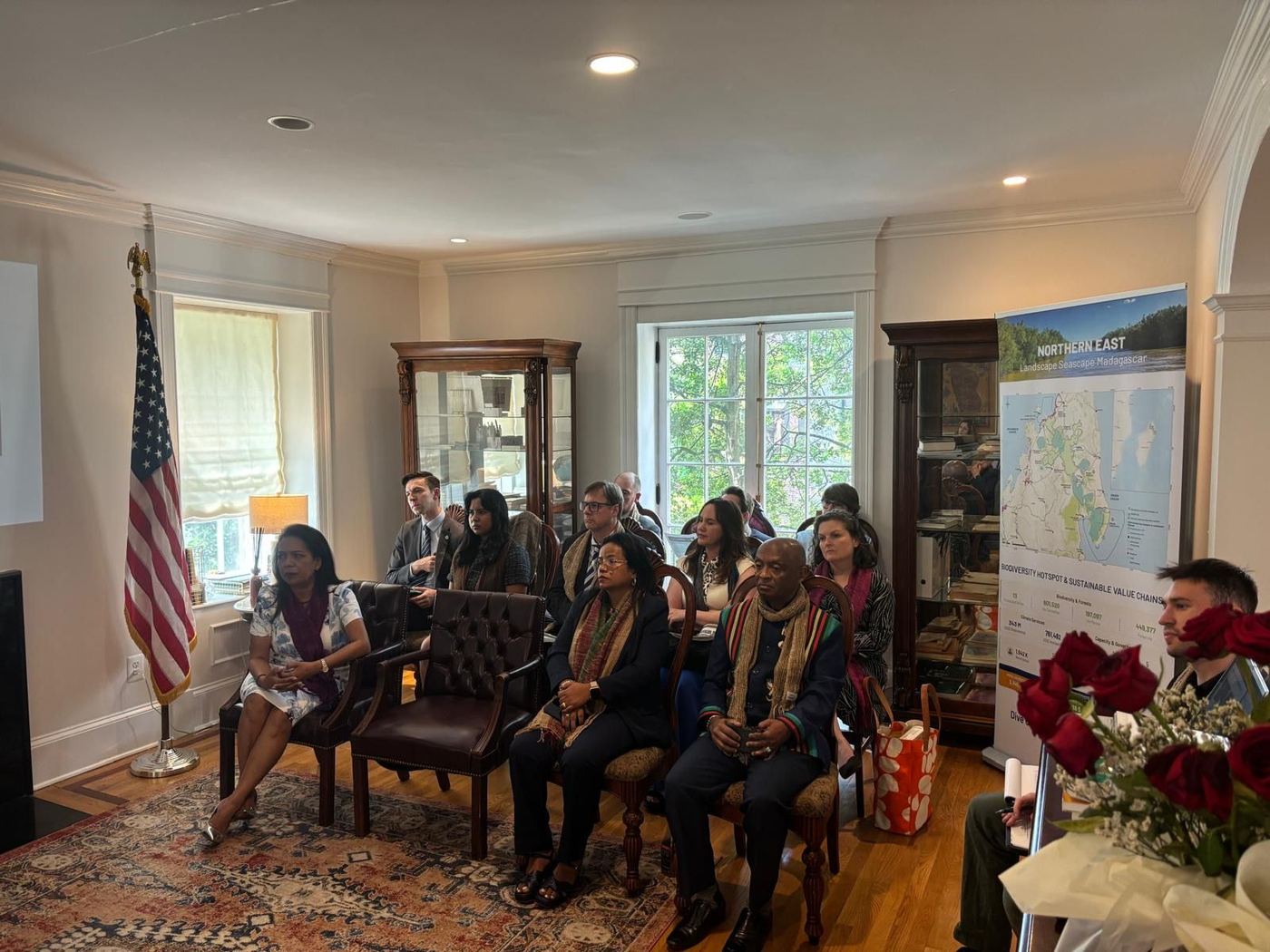
The meetings organised in New York, notably with the Bloomberg Foundation and Wildlife Conservation Society (WCS), provided an opportunity to present this vision and discuss the measures needed to support its implementation.
Discussions focused on strengthening sustainable financing mechanisms, developing nature-based solutions and carbon finance, gradually engaging the private sector, and the potential of ecotourism and infrastructure to support regional development.
In Washington D.C., discussions continued with a number of international organisations involved in conservation, including the Rainforest Trust, the Global Environment Facility (GEF), Conservation International and RAN.AI. In particular, participants emphasised the importance of strengthening ESG (Environmental, Social and Governance) approaches, improving coordination between the environmental, financial and mining sectors, and developing investment mechanisms capable of supporting Madagascar’s long-term conservation ambitions.
The campaign has already secured the commitment of major co-funders, notably the Hempel Foundation and the US-based NGO Conservation Allies, alongside funding from FAPBM itself — a momentum that the Roadshow was specifically designed to build on.
These commitments illustrate the campaign’s central principle: to create a multiplier effect by bringing together several sources of funding around a shared vision of conservation, rather than carrying out a multitude of isolated initiatives. FAPBM thus provides a fiduciary platform capable of safeguarding investments and promoting their more effective use for the benefit of national and local conservation stakeholders.
FAPBM: a catalyst for partnerships
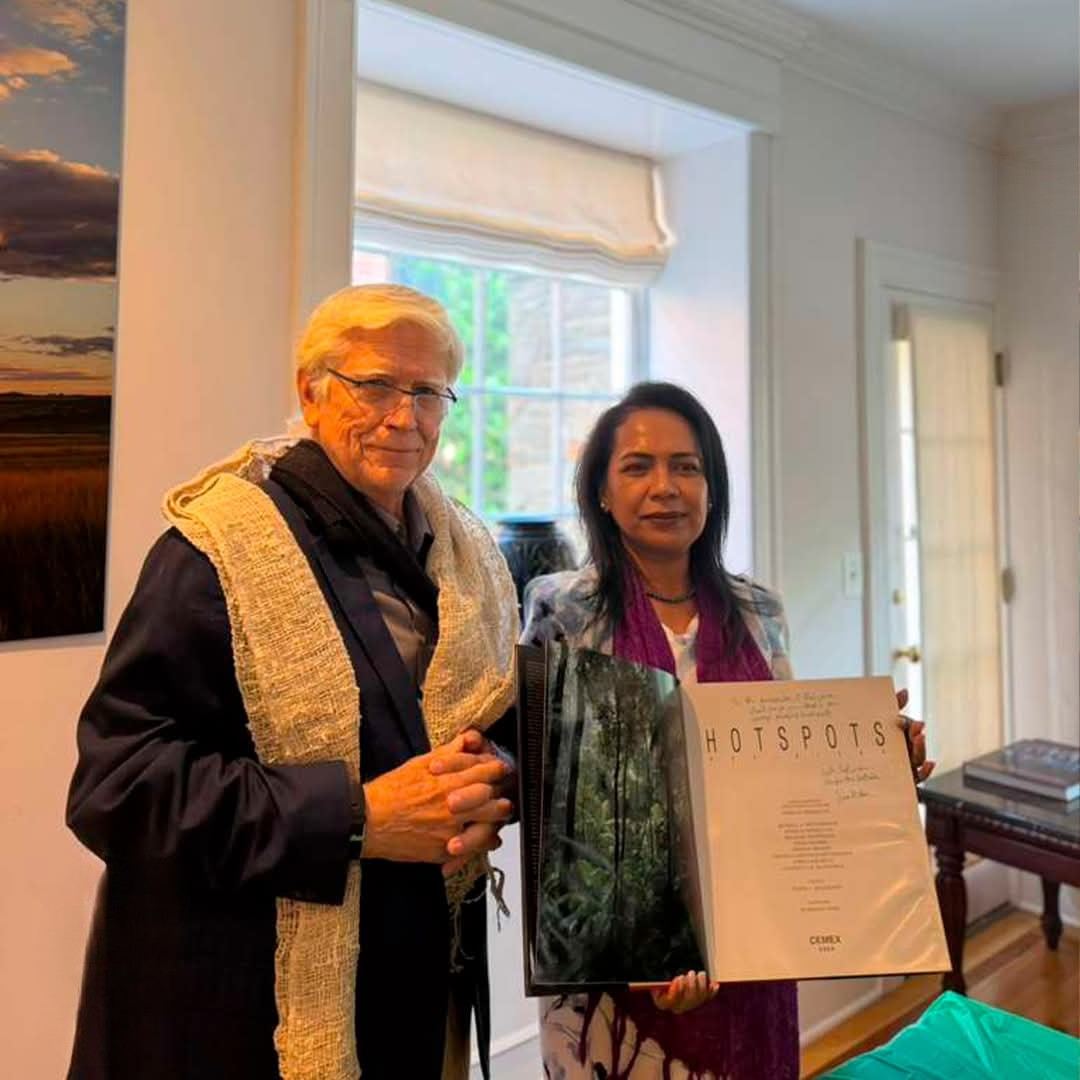
As Africa’s largest conservation foundation, FAPBM currently supports 75 of Madagascar’s 146 protected areas. Beyond its role as a funding body, it acts as a fiduciary platform and a facilitator of partnerships, capable of bringing together different stakeholders around common objectives and promoting a more strategic and coordinated use of resources.
This mission also highlighted one of Madagascar’s key strengths: robust national institutions, recognised for their commitment to conservation. With over twenty years’ experience, FAPBM has demonstrated its ability to mobilise partners, manage funding sustainably and support the protection of protected areas. This expertise now serves as a genuine mark of confidence for international partners.
Recognised as Africa’s largest conservation trust fund, FAPBM presented its long-term financing mechanism as a key lever for securing investment in biodiversity. Its role as a catalyst between public institutions, technical and financial partners, the private sector and local communities was widely praised during the discussions.
A collective vision for the future
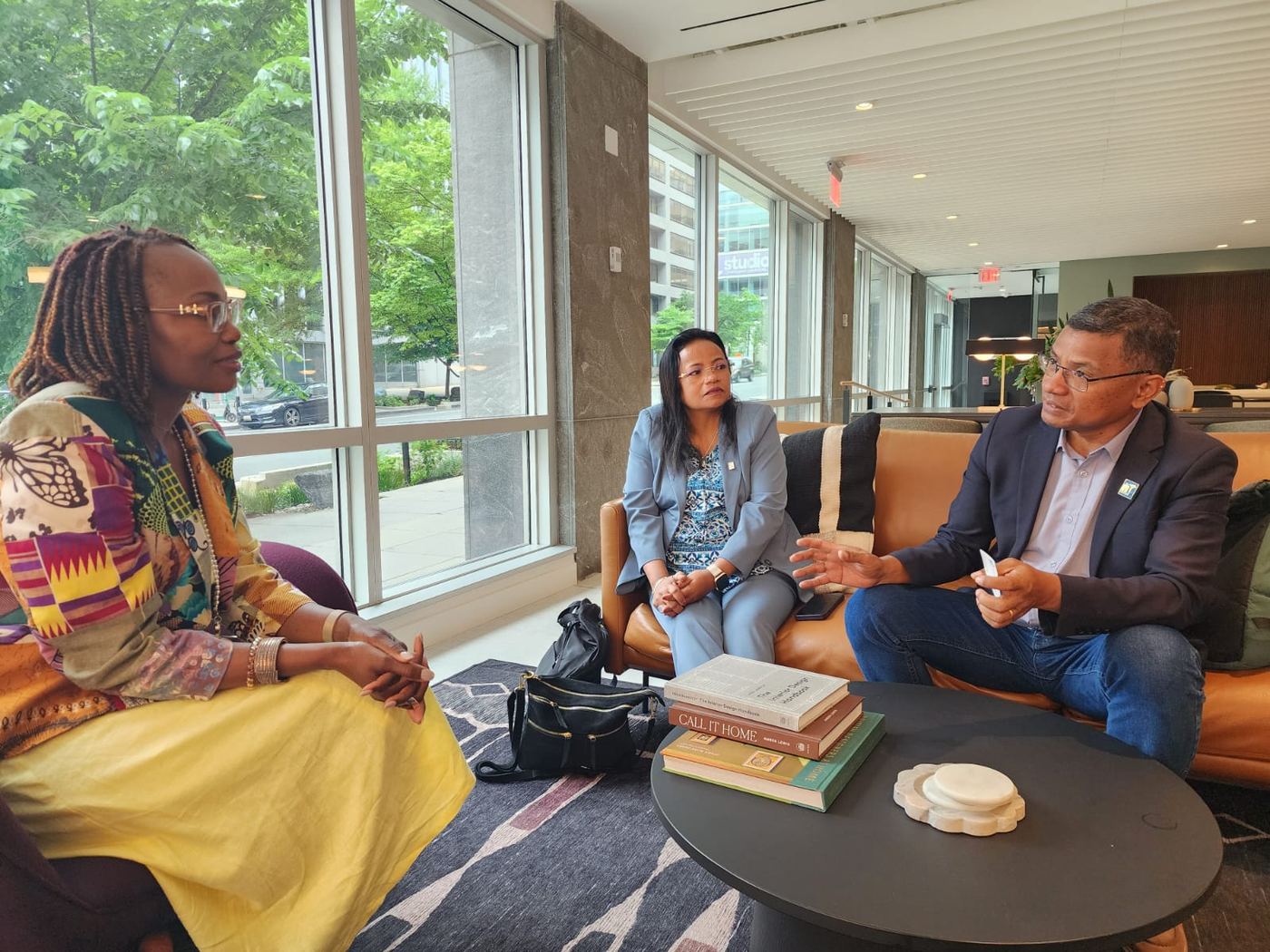
Beyond mobilising new funding, this mission aimed to strengthen more coordinated international cooperation, in which Malagasy institutions play a leading role in defining and implementing conservation strategies.
It helped to raise awareness amongst the targeted partners of the ‘Conservation Partnerships’ approach, to present the three new priority landscapes, to strengthen FAPBM’s position as a credible fiduciary platform, and to identify new opportunities for collaboration and co-funding relating to priority conservation landscapes in Madagascar.
The campaign therefore has an ambition that goes beyond simply securing funding: over a period of around three years, to build diverse and resilient partnerships for each of the priority landscapes, combining flexible and coordinated investment, national leadership, equity and human well-being, in order to deliver measurable and sustainable impacts for people and nature.
Through its ‘Building Conservation Partnerships for Madagascar’s Critical Landscapes’ campaign, FAPBM reaffirms its mission: to bring stakeholders together around a shared vision, to catalyse sustainable investment and to strengthen national capacity to build effective conservation systems at the landscape level. The challenge is to transform previously fragmented efforts into sustainable conservation systems capable of preserving Madagascar’s exceptional landscapes and the benefits they provide to local communities, biodiversity and future generations