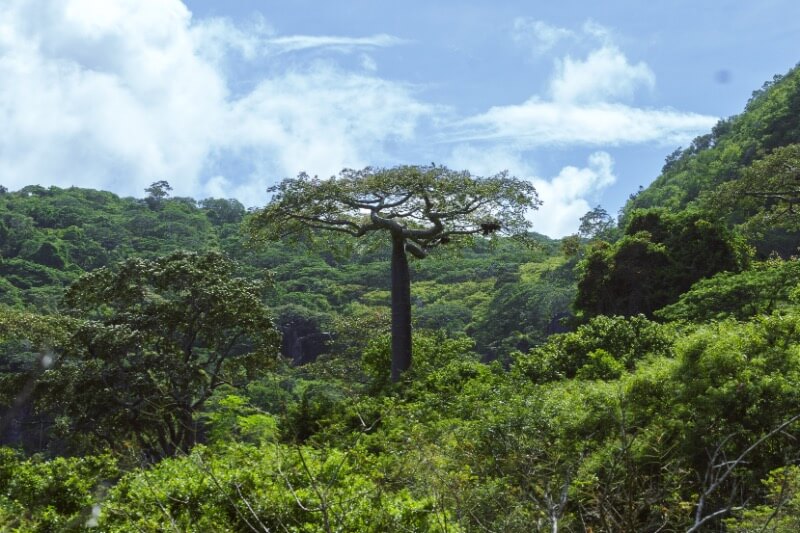
Madagascar’s biodiversity is among the richest and most endangered in the world. More than 80% of the island’s species are endemic, giving the country a unique responsibility on the global stage. Yet the challenges are immense: deforestation, illegal resource exploitation, climate change, and economic pressures on local communities. In the face of these threats, a central question arises: how can we ensure sustainable funding for conservation?
This is where biodiversity endowment funds come in — an innovative mechanism that guarantees stable, long-term financial resources to support ecosystem protection. These income streams support the annual funding of protected areas. In Madagascar, Madagascar Protected Areas and Biodiversity Fund (FAPBM) perfectly illustrates the relevance of this model, positioning itself as one of the most robust players on the African continent.
Understanding how an endowment fund works
An endowment fund is capital invested in financial markets, with only the annual returns used to fund conservation activities. The capital itself remains intact, forming a permanent reserve.
This mechanism differs from traditional funding, which is often time-limited or dependent on individual projects. With an endowment fund, protected area managers can rely on stable support, enabling them to plan long-term and strengthen ecosystem resilience against threats.
In other words, the fund acts as a life insurance policy for biodiversity: the returns generated each year are redistributed to natural sites and local communities, ensuring essential continuity in natural resource protection.
Beyond its financial role, the endowment fund stands out for its resilience in the face of the crises that regularly affect Madagascar and the wider world. Whilst traditional funding fluctuates in response to political priorities, health crises or geopolitical tensions, the capital of an endowment fund remains invested and continues to generate income. This mechanism has proven its resilience during recurring national political crises, such as during the COVID-19 pandemic, or in the face of economic disruptions linked to the war in Ukraine and changes in international macroeconomic policies, such as the reorientation of US funding under the administration of US President Donald Trump. This ability to absorb external shocks and maintain continuous support for protected areas is one of the model’s key strengths.
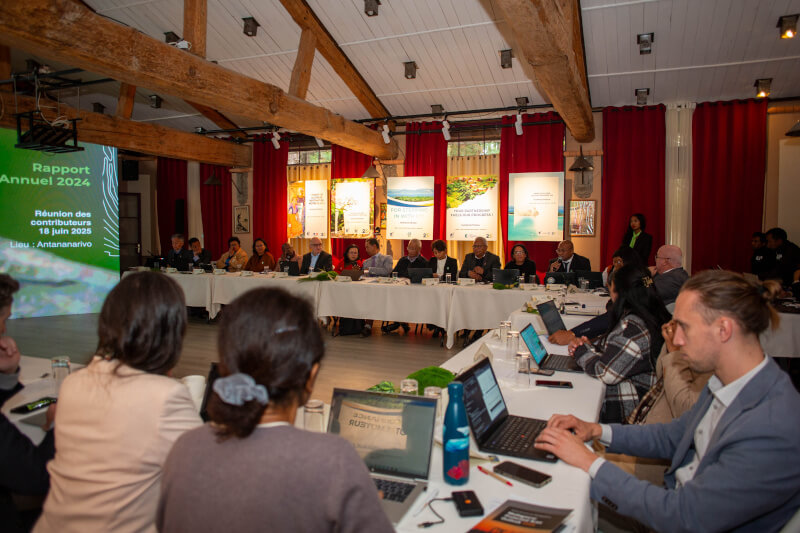
Madagascar: a textbook case for conservation finance
Madagascar is home to nearly 125 protected areas covering approximately 10% of the national territory. These spaces are central to strategies for combating deforestation, biodiversity loss, and the impacts of climate change. Yet their funding remains a persistent challenge.
Historically, protected area management relied heavily on one-off international funding, often limited in duration. This created interruptions in monitoring programs, ecological restoration efforts, and support for local communities.

La création de la FAPBMen 2005 a marqué un tournant. En mettant en place un fonds de dotation dédié, la Fondation a offert une solution durable à ces défis structurels. Aujourd’hui, avec un capital de 157 millions USD, elle génère en moyenne plus de 7 millions USD de revenus annuels, dont environ 6 millions USD sont alloués directement au financement des aires protégées. Grâce à ces ressources pérennes, la FAPBM soutient désormais la gestion de 75 aires protégées à travers le pays. Ce modèle place Madagascar parmi les pionniers de la finance de conservation en Afrique.
The creation of FAPBM in 2005 marked a turning point. By establishing a dedicated endowment fund, the Foundation offered a sustainable solution to these structural challenges. Today, with USD 157 million in capital, it funds the management of 75 protected areas across the country. This model places Madagascar among the pioneers of conservation finance in Africa.
Tangible impact on the ground
The funds generated by FAPBM support conservation projects each year. This includes:
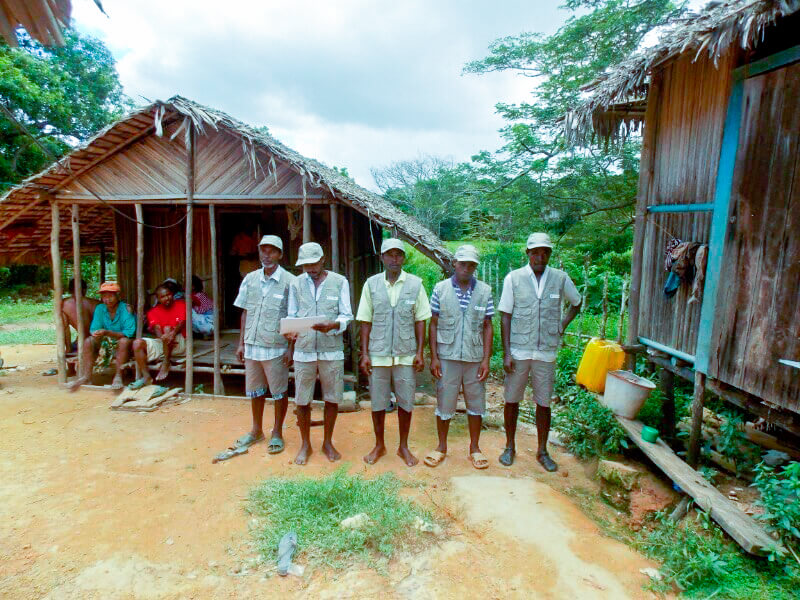
- Funding surveillance teams that protect forests against poaching and illegal logging;
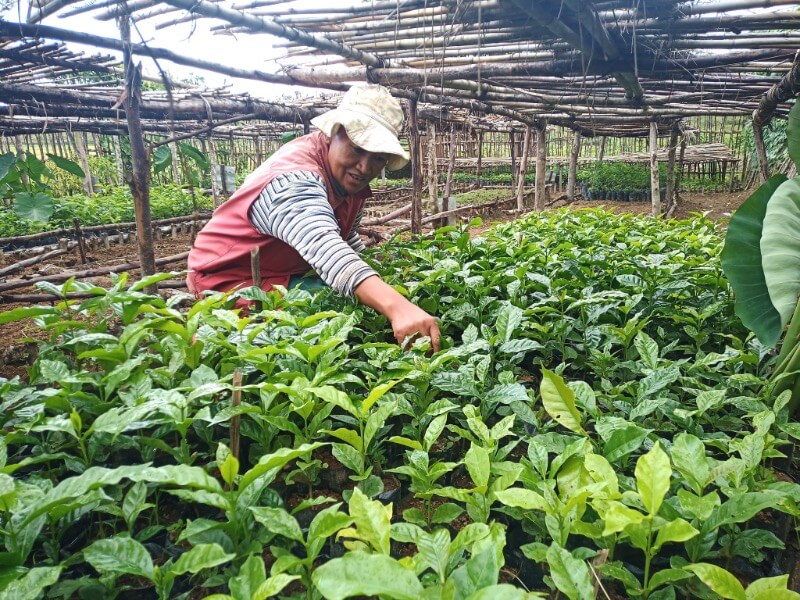
- Supporting degraded ecosystem restoration programs;
- Developing alternative income-generating activities for local communities;
- Environmental awareness and education for younger generations.
These investments translate not only into better protection of iconic species such as lemurs, but also into social benefits: stable employment, improved food security, and strengthened local governance.
In other words, the endowment fund model demonstrates that protecting biodiversity and supporting human development can go hand in hand.
FAPBM: a model that inspires beyond Madagascar
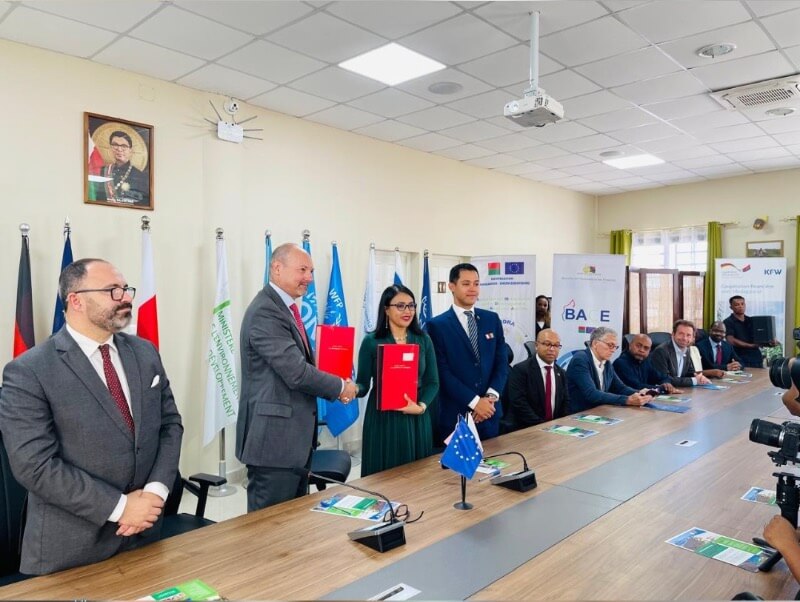
With 20 years of experience, FAPBM has become a benchmark at both regional and international levels. It is now cited as an example of governance and transparency in environmental fund management.
Its integration into international networks allows it to share best practices and inspire other countries facing similar challenges. The Malagasy model shows that it is possible to mobilize substantial funding, manage it rigorously, and ensure effective redistribution for conservation.
This impact extends beyond national borders: by demonstrating the viability of endowment funds, FAPBM helps strengthen the credibility of green finance as a sustainable solution to the global biodiversity crisis.
Challenges ahead
While the endowment fund model is robust, it is not without challenges. Financial market fluctuations can affect the returns generated each year. Dependence on a few historic donors also raises the question of diversifying funding sources.
Moreover, the resources needed to protect all of Madagascar’s protected areas far exceed current capacity. Sustainable funding must therefore be complemented by other mechanisms, such as payments for ecosystem services, public-private partnerships, and private sector engagement around natural capital.
It is with this in mind that FAPBM is committed, over the next two decades, to diversifying its revenue, strengthening its role in the national economy, and raising awareness among new stakeholders about the importance of contributing to protected area conservation.
A response to global challenges
The creation and strengthening of endowment funds like FAPBM’s is part of a global movement: that of sustainable finance. As the planet faces an unprecedented ecological crisis, traditional financial models are showing their limits.
Environmental trust funds offer a credible and effective alternative. They enable a shift from short-term funding logic to a long-term investment strategy — essential for natural processes that unfold over decades.
In this sense, FAPBM does more than protect Malagasy biodiversity: it also makes a concrete contribution to the global conversation on the sustainability and resilience of ecological systems.
In addition to the endowment fund, Madagascar is now exploring advanced financial instruments to strengthen the resilience of conservation funding. Among these, Biodiversity Performance Bonds (BPBs) represent a major opportunity.
This mechanism directly links investors’ financial returns to ecological performance measured on the ground: reduced deforestation, progress in restoration, increased carbon sequestration, fewer fires, and the recovery of endangered species.
By utilising this type of instrument, FAPBM could attract new institutional investors and climate funds, whilst positioning Madagascar as a pioneer in green finance on the continent. This approach reinforces FAPBM’s strategic role as a platform of excellence in transparency, ecological monitoring and results-based payments.
To address long-term challenges, FAPBM is also working to integrate natural capital accounting into national strategies. This system enables the measurement and economic valuation of ecosystem services: carbon sequestration, watershed protection, pollination, climate resilience, natural risk prevention and support for tourism.
By quantifying these benefits, Madagascar will be better able to demonstrate the strategic value of its protected areas and mobilise innovative financing, particularly from climate finance, companies committed to carbon neutrality and biodiversity offset mechanisms. FAPBM, with its expertise in ecological and financial monitoring, is a key player in supporting and ensuring the implementation of this natural capital accounting.
Investing in nature: a choice for the future
The role of endowment funds in preserving Madagascar’s biodiversity is undeniable. By guaranteeing sustainable funding, they provide managers and communities with the means to effectively protect ecosystems that are unique in the world.
With FAPBM, Madagascar demonstrates that it is possible to combine financial rigor, transparency, and environmental impact. This model inspires beyond its borders and points the way toward sustainable conservation, capable of meeting the challenges of the 21st century.
As the ecological crisis deepens, the message is clear: investing in nature means investing in our collective future.

To discover how FAPBM takes concrete action, visit: Projects and Programs.