
A symbol of the Malagasy landscape, the baobab is much more than just a tree: it embodies the country’s resilience, life and cultural identity. However, the baobab forests of western Madagascar are now threatened by deforestation, land conversion and increasing human pressure.
To preserve these iconic ecosystems, the Danish Hempel Foundation has allocated DKK 15 million (approximately USD 2.17 million) in funding to the ‘Protection of the Baobab Forests of Western Madagascar’ project, implemented by a consortium of protected area managers comprising Madagascar National Parks, Fanamby and Durrell, under the overall management of FAPBM project.
Targeting the Kirindy Mite and Menabe Antimena protected areas, including the Andranomena Special Reserve and the Avenue of the Baobabs, the project covers nearly 381,000 hectares, including 190,000 hectares of dry forests, which are home to exceptional biodiversity with a very high level of endemism: mammals 91%, birds 70%, reptiles and amphibians 100%, and flora 70%. These forests, which also include RAMSAR-listed wetlands such as the Bedo Lakes, the Ambondro and Sirave Complex and the Tsiribihina Mangrove, play an essential role in climate regulation and water supply in the Menabe region.
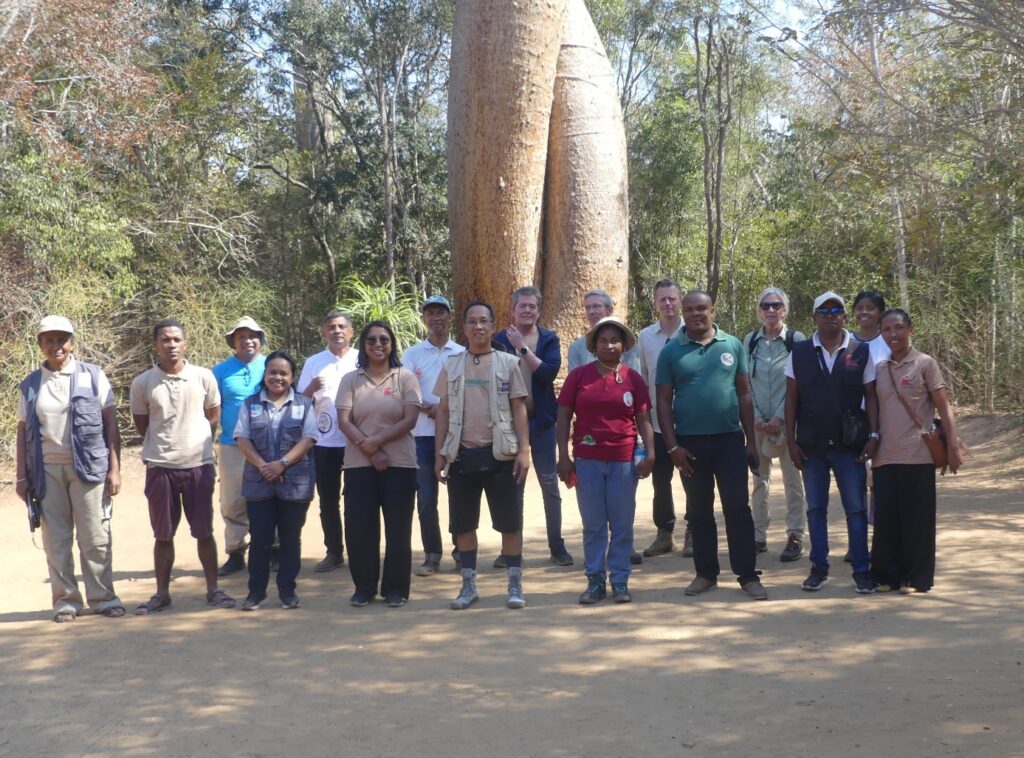
A project serving nature and communities
Structured around five strategic objectives, the project aims to secure conservation areas, establish consistent co-management of the landscape, set up a regional and national multi-stakeholder network, and promote sustainable financing mechanisms.
Beyond biodiversity conservation, the project works to strengthen the resilience of local communities living around these forests. The buffer zone, used for agriculture and livestock farming, is the focus of particular attention in order to promote sustainable agricultural practices and reduce pressure on the forests. The objective is clear: to offer communities the opportunity to co-manage their natural resources while securing their livelihoods.
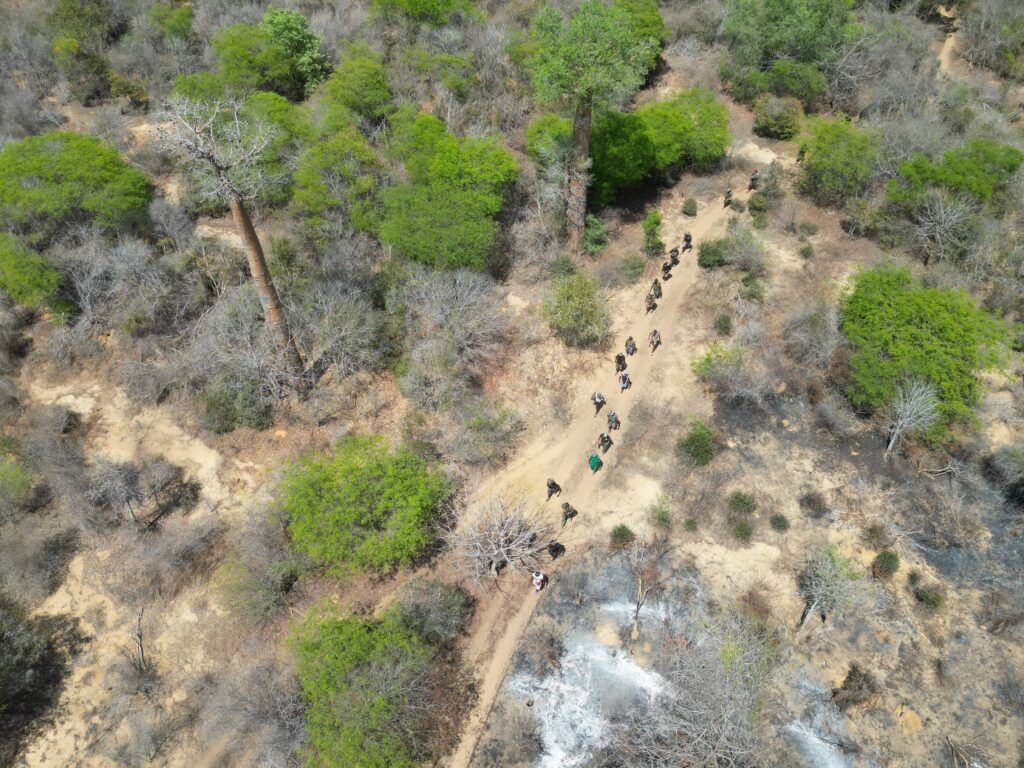
A shared vision for sustainability
Multidisciplinary stakeholders are mobilised and structured within the project governance framework around a common vision. The steering committee, composed of representatives from the public sector, local authorities, civil society and protected area managers, plays a key role in the implementation and strategic direction of the project. This participatory approach promotes strong local roots and a coordinated response to the challenges encountered in the field, involving all stakeholders.
By supporting this project, Hempel Foundation reaffirms its commitment to investing in sustainable, high-impact actions. Its support helps to strengthen coordination between stakeholders, combat deforestation and increase the capacity of managers to ensure long-term conservation.
The effects are already visible: better synergy between managers, increased community mobilisation and local restoration initiatives that are bearing fruit.
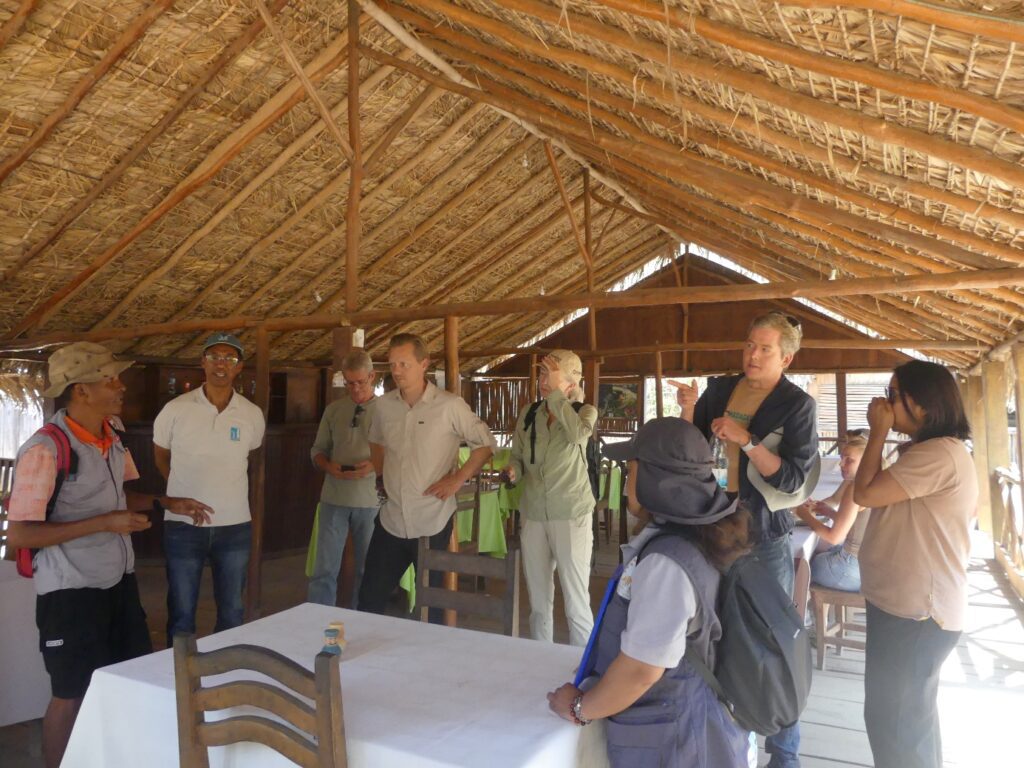
Encouraging progress at mid-term
Halfway through, the project has achieved major qualitative results, resulting in a significant reduction in forestry pressures mainly related to fires, as well as strengthened institutional coordination and community engagement. This commitment has taken the form of regular patrols, increased responsiveness in actively fighting fires, ecological restoration actions and the promotion of sustainable livelihoods integrated into value chains.
At the same time, the promotion of the Baobab landscape through the development of ecotourism in natural sites has considerably increased the attractiveness of the area to visitors, thanks to greater visibility and enhanced promotion.
Through this initiative, FAPBM and Hempel Foundation are joining forces to protect the baobab forests, true treasures of Madagascar’s natural heritage, and ensure that these centuries-old giants continue to watch over future generations.
Amount managed: DKK 15,000,000 (USD 2,164,783.50)
Period: 2023-2028