Through its support for development activities, FAPBM’s goal is not only to compensate for possible income losses due to protected area implementation, but also to improve household incomes in a sustainable way. For the Foundation, this is a step toward human well-being improvement including several areas such as education, health, and development infrastructure building.
From income-generating activities to value chains
To ensure development activity sustainability and prevent the effects of scattered economic fallouts, FAPBM made every effort to turn income-generating activities into value chains involving several actors.
| Year | 2020 | 2021 | 2022 | 2023 | 2024 |
| Value chains | 19 | 16 | 18 | 19 | 31 |
| Job created | 3 108 | 3 115 | 3 050 | 3 120 | 3 340 |
| Number of beneficiaries | 12 675 | 14 818 | 35 450 | 37 872 | 49 181 |
In 2024, there was a sharp increase in the number of beneficiaries of development support from the FAPBM. From 12,675 individuals in 2020, this number rose to 49,191 individuals in 2024. This increase can be explained by the increase in the number of jobs created.
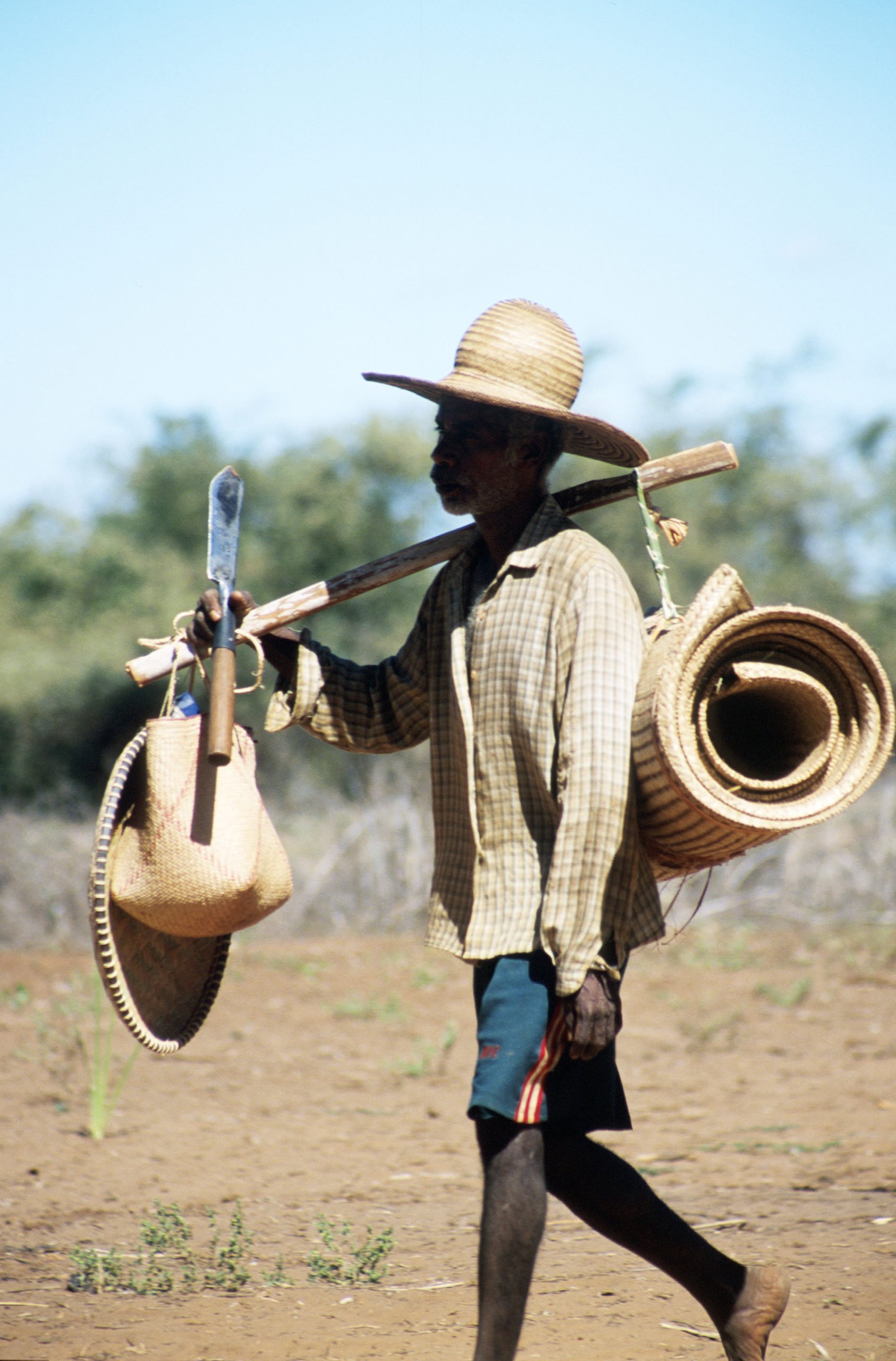
Complexe Mahavavy Kinkony © FAPBM
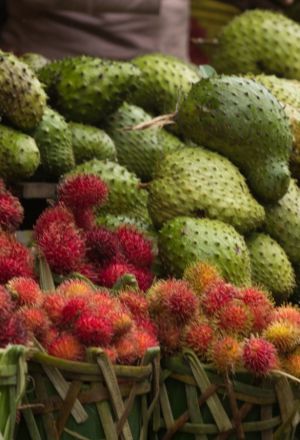
© FAPBM
One of FAPBM’s objectives is to increase the number of direct beneficiaries of the economic benefits of value chains. In 2024, the number of jobs created reached 3,340 around Protected Areas with 31 supported value chains (compared to 19 in 2023). This increase reinforces the expansion of the FAPBM’s activities and commitments on the economic and social front through community inclusion in funded projects and the resulting ecosystem services.
Ecosystem services for neighboring populations
In addition, more than 15 million individuals may become indirect benefit recipients from development activities carried out by protected area managers funded by FAPBM.