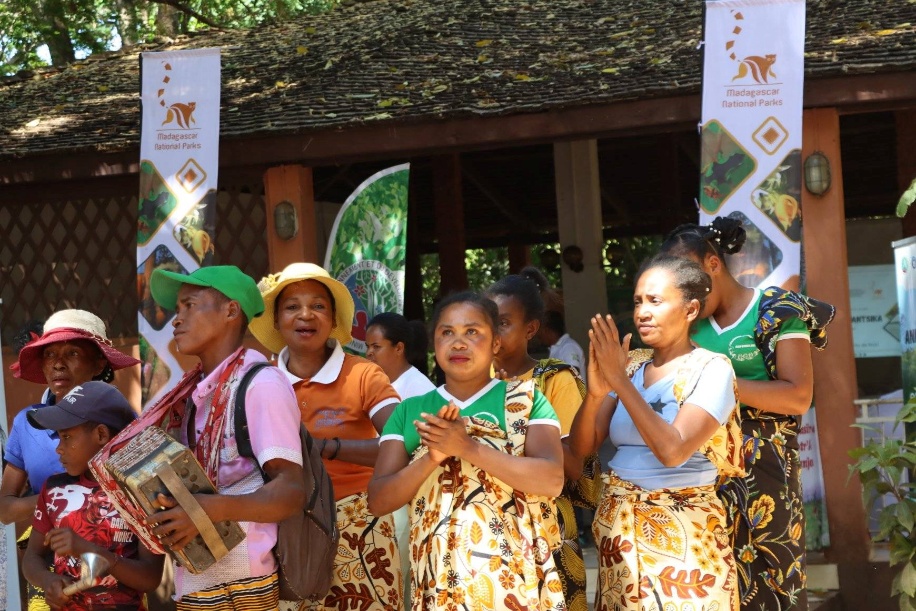
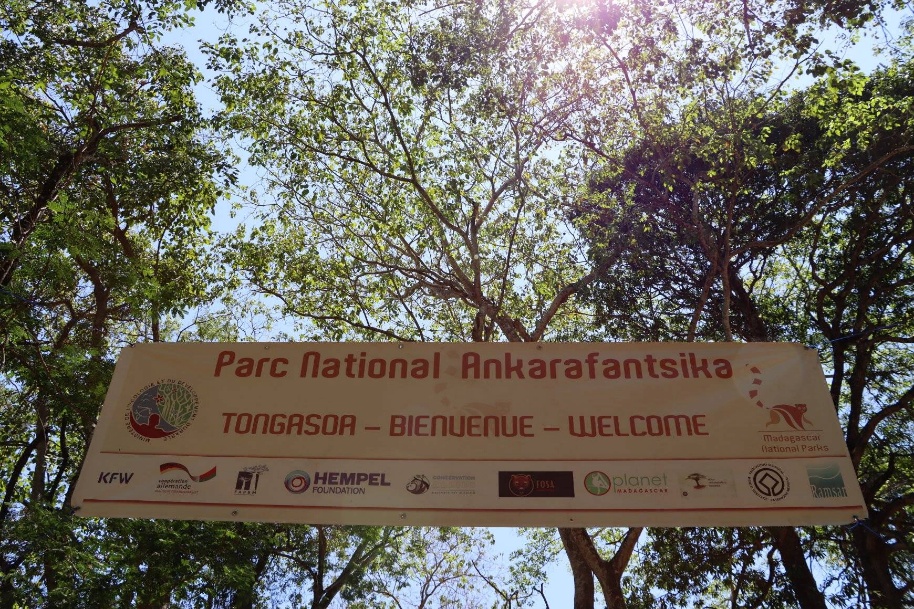
Home to one of Madagascar’s largest dry forests, Ankarafantsika National Park is recognized by UNESCO for its Outstanding Universal Value and classified as a RAMSAR site for its sacred lakes. It is home to unique biodiversity, including many endangered endemic species, as well as a rich cultural heritage. The park also plays an essential role in climate regulation, food security, and maintaining the livelihoods of local communities.
Faced with growing threats—particularly bush fires and deforestation—the “Ala Maiky Ankarafantsika” project was launched in 2024 to unite the forces of local, national, and international actors in favor of sustainable management of this natural gem.
The shared ambition is clear: to achieve a “zero fire” situation by 2027, the park’s centenary year. The project’s strategic objectives are to strengthen firefighting efforts, restore degraded areas through appropriate ecological programs, implement and promote the Dina, rehabilitate essential infrastructure, and develop sustainable ecotourism. This integrated approach aims to combine ecological preservation, local governance, and socio-economic development for a lasting impact and community ownership.

A unique alliance for Ankarafantsika
Thanks to the support of the Hempel Foundation, the project is receiving three years of funding managed by Madagascar Protected Areas and Biodiversity Fund (FAPBM), with the participation of major international partners such as the German bank KfW and the American NGO Conservation Allies. These actors, brought together within the Ankarafantsika Donors Consortium, support Madagascar National Parks (MNP) and the local associations Planet Madagascar and Fosa Team. FAPBM manages the funding and facilitates coordination between partners to ensure the consistency and effectiveness of actions.
This cooperation brings together complementary expertise in park management, ecological restoration, firefighting, biodiversity protection, and the development of sustainable ecotourism. By combining the strengths of public institutions, donors, and communities, the project is helping to build a model for collaborative management of natural landscapes.
Enhanced risk management after a year of mobilization
The project has reached a decisive milestone in fire risk management. Faced with persistent fires in the core and peripheral areas of the park, the teams demonstrated a rapid and coordinated response, reflecting a significant improvement in operational management.
The main challenges relate to the variability of intervention effectiveness across different areas and the need to further stimulate the engagement of local communities.
However, the interventions carried out during this first year demonstrate increased responsiveness in the field, more structured technical management, and enhanced coordination between partners. These achievements pave the way for a strategic rebalancing towards actions that focus more on sustainable prevention, the establishment of early warning systems, and closer community mobilization to address the root causes of fires.
Amount managed: DKK 8,282,900 (USD 1,195,540)
Period: 2024–2027